

 Team Hashtag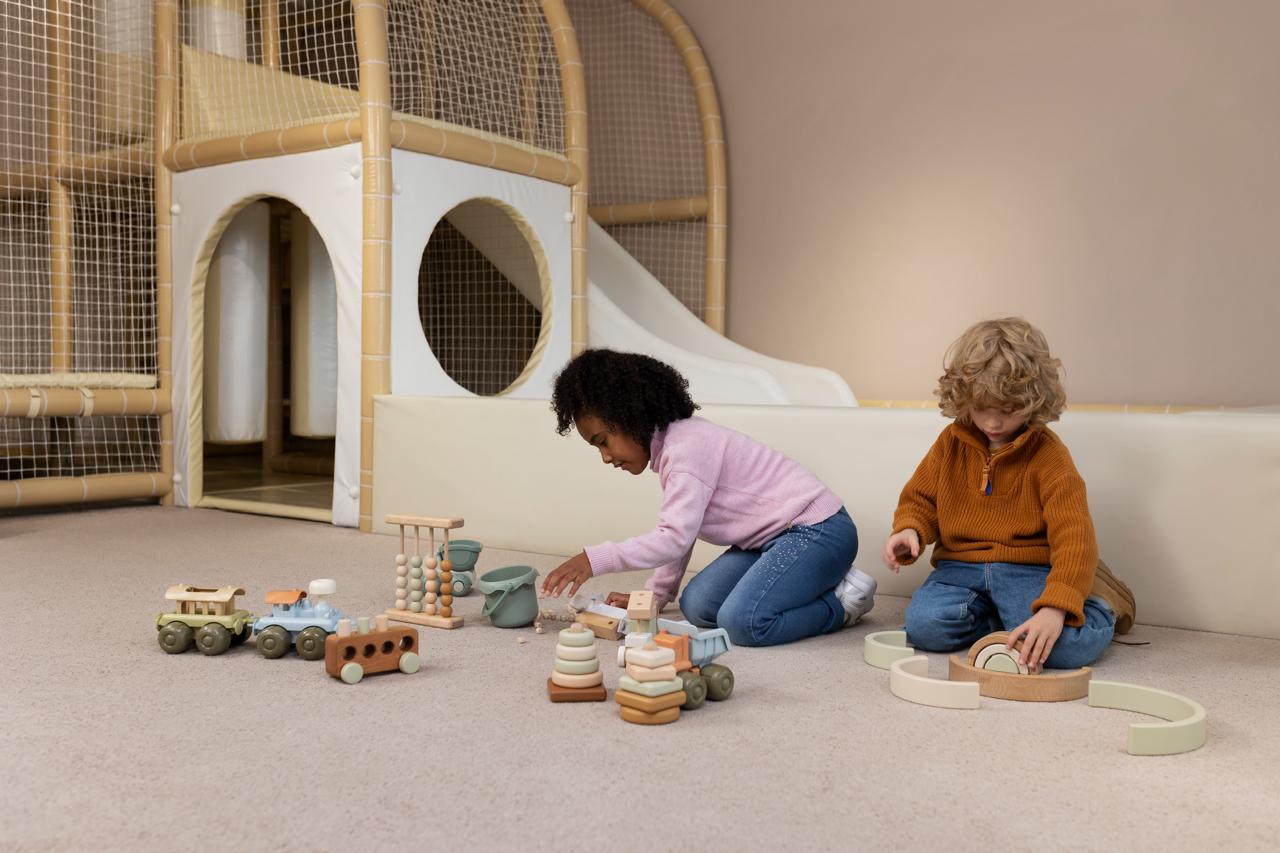
Indoor Activities for Kids That Turn Boredom into Fun
When education aligns with real-world needs, students leave not just with degrees, but with clarity, capability, and direction.
Indoor activities for kids can truly be a lifesaver on days when your child keeps saying, “I’m bored!” Whether it’s because of bad weather, holidays, or just a long day at home, keeping kids entertained indoors can sometimes feel like a challenge. But the truth is, you don’t need expensive toys or complicated plans; simple indoor activities for kids can keep them happy, engaged, and active.
In fact, some of the best memories are created through simple, everyday moments. Sitting together, laughing, creating something new, or even playing a small game can turn an ordinary day into something special. These indoor activities for kids are not just about fun; they quietly help children learn, grow, and build important life skills.
When kids are involved in meaningful indoor activities for kids, they become more creative, confident, and emotionally connected to their surroundings. And the best part? They don’t even realize they are learning while they play.
Why Indoor Activities Matter for Kids
Indoor time is often misunderstood as “idle time,” but it actually plays a very important role in a child’s development. Children don’t always need structured lessons or outdoor play to learn. Sometimes, the comfort of home provides the best environment for creativity and exploration.
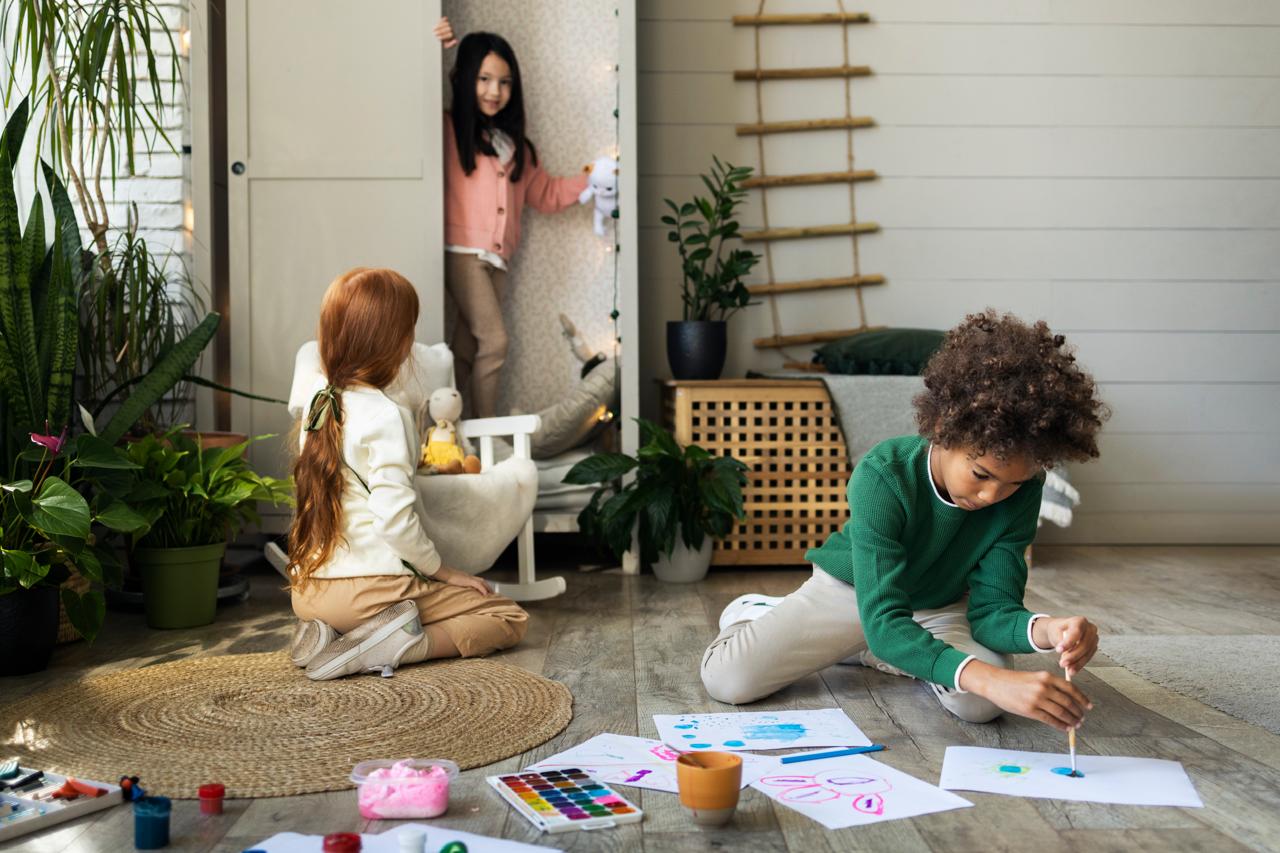
When children are given the freedom to play indoors, they start using their imagination more. They create their own stories, invent games, and learn how to solve small problems on their own. These moments help naturally shape their thinking and behavior.
What Kids Learn from Indoor Activities
They become more imaginative and creative
They learn how to focus and stay engaged
They reduce their dependence on screens
They feel emotionally secure and connected
They build confidence by trying new things
Indoor activities for kids are not just about keeping them busy; they help in building a strong foundation for lifelong learning.
Best Indoor Activities for Kids at Home
If you’re looking for simple and practical ideas, here are some indoor activities for kids that are easy to try and actually work in real life.
1. Drawing and Coloring Time
Give a child a few colors and a blank sheet of paper, and you’ll see magic happen. Drawing is one of the simplest ways for kids to express what they feel and imagine.
You don’t need to guide them too much, just let them explore freely. Some children may draw their family, while others may create something completely imaginary. Both are equally valuable.
You can make it more fun by:
Sitting and drawing with them
Giving small themes like “draw your dream house.”
Displaying their artwork on a wall
This small gesture makes children feel proud and encourages them to keep creating.
2. Storytelling and Reading Together
There’s something warm and comforting about reading together. It’s not just about books; it’s about spending quiet, meaningful time with your child.
Instead of just reading, try to make the experience interactive. Use different voices for characters, pause to ask questions, and let your child imagine what happens next.
You can also:
- Let your child tell their own story
- Act out scenes from a story
- Create bedtime storytelling rituals
This helps improve language skills while strengthening your bond.
Ready to make learning more meaningful at home?
Blueberry workbooks & box sets help children learn, create, and grow with joy.
🛒 Shop Now: https://hashtageducation.in/collections
3. Puzzle and Brain Games
Puzzles might seem simple, but they teach patience and problem-solving in a very effective way.
At first, children might struggle, but once they complete a puzzle, the sense of achievement they feel is priceless. It builds confidence and encourages them to try again.
You can try:
- Jigsaw puzzles
- Memory card games
- Matching shapes or colors
These activities quietly develop thinking skills while keeping kids engaged.
4. Indoor Treasure Hunt
If your child loves adventure, this activity is perfect.
Hide small objects around the house and give them clues to find each one. The excitement of searching keeps them active and focused.
You can make it creative by:
Writing simple clues, using riddles for older kids
Giving a small reward at the end
This activity not only entertains but also improves problem-solving skills.
5. Music and Dance Time
Sometimes, all you need is a little music to change the mood completely. Kids love moving around, and dancing is a great way to release energy.
Play their favorite songs and let them dance freely. No rules, no pressure—just pure fun.
You can also: Create a family dance session
Play freeze dance games
Sing along with actions. It’s a great way to boost mood and physical activity indoors.
6. DIY Craft Activities
Craft time is where creativity truly shines. And the best part is, you don’t need fancy materials.
Look around your house, and you’ll find plenty of things to use:
Old newspapers
Cardboard boxes
Empty containers
Let your child create anything they want. It could be a toy, a decoration, or something completely random. What matters is the process, not the result.
7. Building and Stacking Games
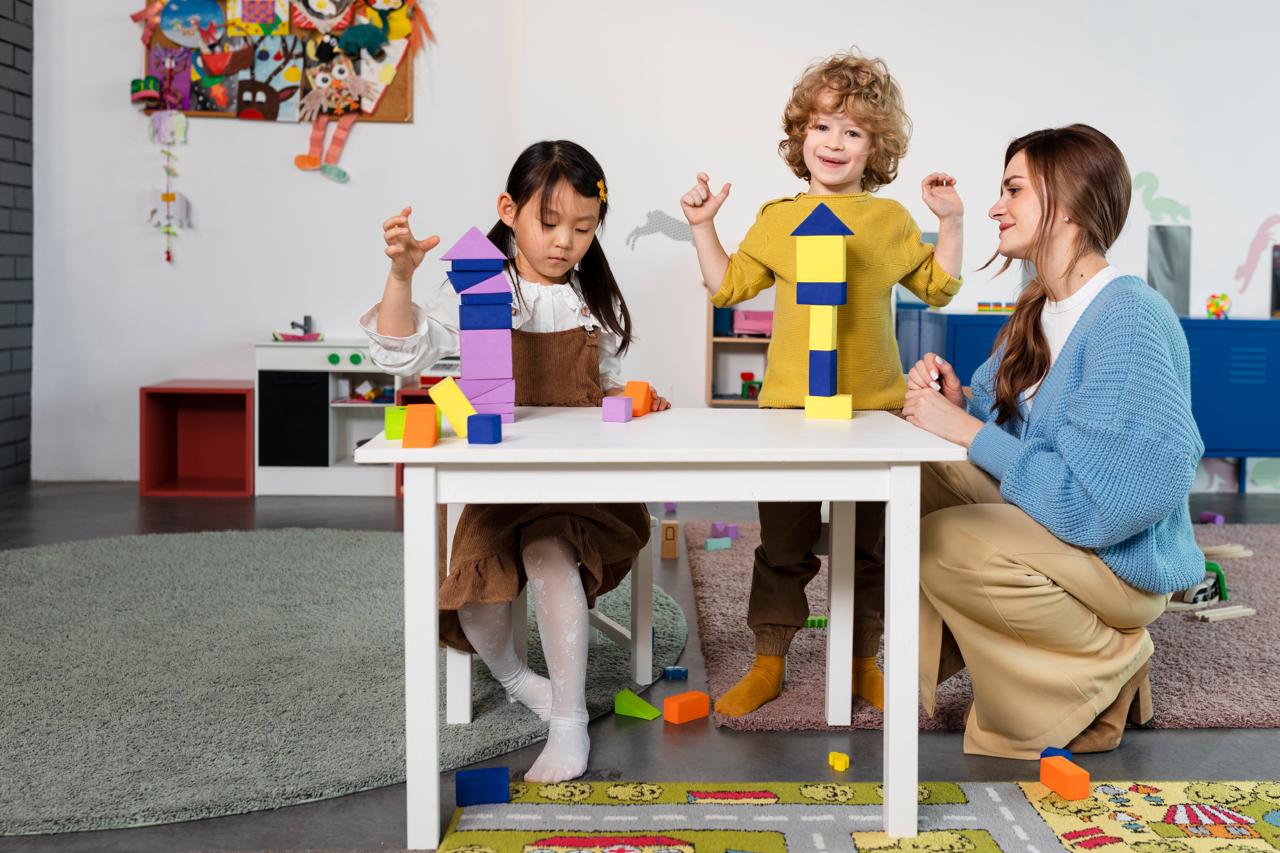
Children naturally enjoy building things. Whether it’s blocks, cups, or even cushions, they love creating structures.
This activity helps them understand balance, shapes, and coordination. It also improves focus as they try to build something stable.
And of course, knocking it down afterward is just as fun!
Simple Tips to Make Indoor Activities More Enjoyable
Sometimes, the way you approach an activity makes all the difference.
Be Present
Even a short time spent with your child without distractions can make them feel valued.
Keep It Flexible
If something isn’t working, don’t force it. Switch to another activity.
Encourage, Don’t Correct
Let children explore without worrying about mistakes.
Appreciate Small Efforts
A little encouragement goes a long way in building confidence.
Read Also: Activity ideas for playing and learning with your children
Creating a Simple Indoor Routine
Having a loose routine can help structure the day without making it feel strict.
For example:
Morning: Creative activity like drawing or craft
Afternoon: Active play like dancing or games
Evening: Quiet time with books or puzzles
This balance keeps children engaged without overwhelming them.
Common Mistakes to Avoid
Even with the best intentions, parents sometimes make small mistakes that reduce the fun.
Try to avoid:
Forcing children to participate
Turning playtime into a lesson
Expecting perfect results
Overplanning every moment
Remember, indoor activities for kids should feel natural and enjoyable, not like a task.
Indoor activities for kids don’t have to be complicated or time-consuming. With a little creativity and involvement, you can turn simple moments at home into something truly meaningful. These everyday experiences not only keep children engaged but also help them grow, learn, and feel more connected to you.