
 Team Hashtag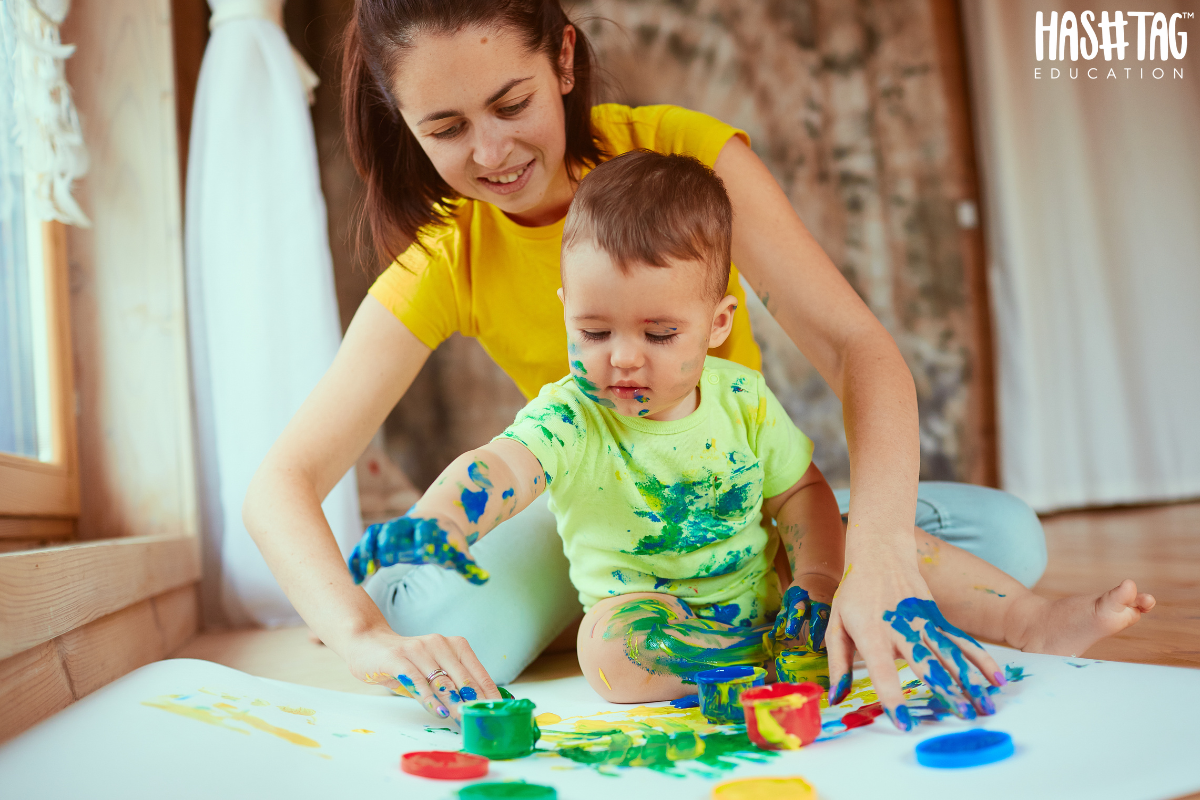
Early Learning Activities for Babies and Toddlers Build Strong Foundations
Early learning activities for babies and toddlers are not about forcing academics or buying expensive toys. In the first few years of life, children learn best through play, movement, conversation, touch, and everyday experiences. A baby stacking cups, touching different textures, or listening to a parent sing is already building important brain connections.
Parents often think learning begins with the alphabet and numbers, but early childhood development starts much earlier. Simple activities done consistently at home help babies improve language, motor skills, emotional bonding, curiosity, and problem-solving naturally.
The best part is that most early learning activities for babies and toddlers require very little setup and use things already available at home.
Sensory Play Ideas for Babies Improve Brain Development
Sensory play ideas for babies are one of the most effective ways to support early learning. Sensory play helps babies explore the world using touch, sound, smell, movement, and sight.
Simple sensory activities include:
- Playing with water in small bowls
- Touching soft cloth, sponges, or safe kitchen items
- Exploring textured balls or sensory books
- Listening to rattles and musical sounds
- Playing with safe edible sensory items like cooked pasta or fruit pieces
Sensory play ideas for babies improve:
- Fine motor skills
- Hand-eye coordination
- Curiosity
- Focus
- Cognitive development
Babies learn by experiencing their environment directly, not by sitting still.
Loved these ideas? Let’s bring them to life beyond the screen!
Discover Blueberry workbooks & box sets designed for joyful, hands-on learning.
🛒 Shop Now: https://hashtageducation.in/collections/box-set
Language Development Activities for 1 Year Old Children
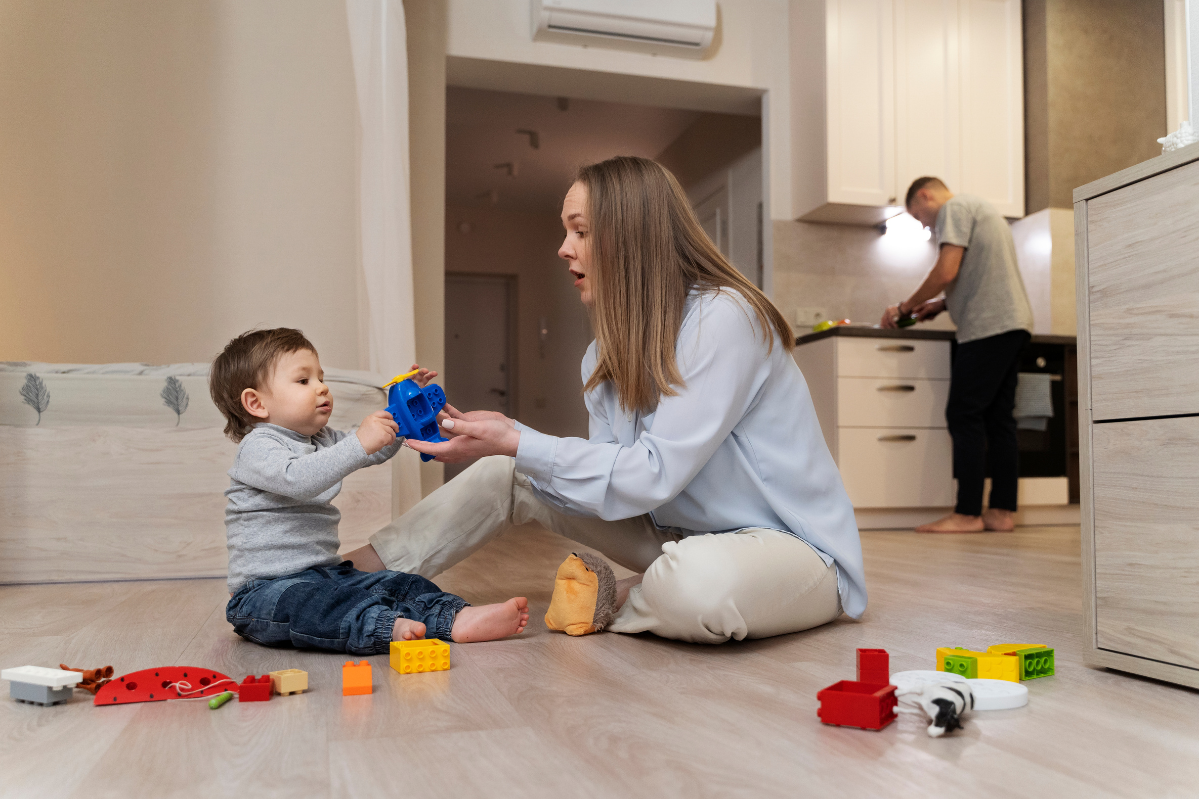
Language development activities for 1 year old children should focus mainly on listening, imitation, and conversation.
At this age, babies learn language through repeated exposure to words and facial expressions. Parents do not need formal teaching sessions. Every day interaction matters far more.
Simple language development activities for 1 year old children include:
- Naming objects during daily routines
- Singing rhymes repeatedly
- Reading picture books aloud
- Pointing to body parts
- Asking simple questions
- Responding to babbling and gestures
- Repeating words slowly and clearly
For example:
“This is your cup.”
“Look at the dog.”
“Where is your nose?”
These small conversations build vocabulary naturally over time.
Looking for a playful vocabulary toy?
This spelling game supports early reading, word formation, and hands-on learning.
👉 Shop now : https://amzn.to/42NByYH
Activities to Do With Baby at Home Without Expensive Toys
Many parents search for activities to do with baby at home because they want meaningful play ideas without relying on screens.
The good news is that babies enjoy simple activities the most.
Easy activities to do with baby at home include:
- Peek-a-boo
- Rolling a ball back and forth
- Dancing to music
- Stacking containers
- Mirror play
- Tummy time obstacle play
- Sorting colourful objects
- Looking out the window together
- Crawling races
- Storytelling with pictures
These activities support emotional bonding while also improving movement, language, and attention span.
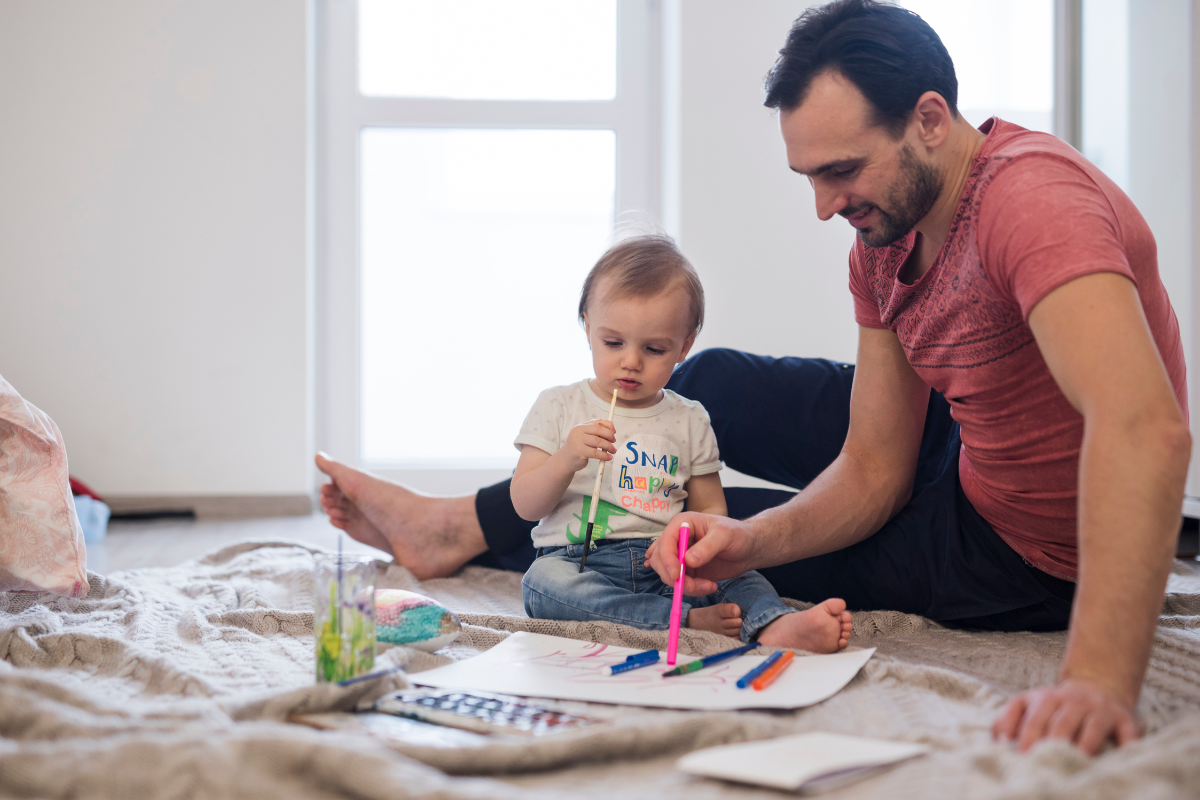
Why Repetition Matters in Early Learning
One important thing parents should remember about early learning activities for babies and toddlers is that repetition is healthy.
Adults often become bored repeating:
- The same rhyme
- The same book
- The same game
But babies learn through repetition. Repeated activities strengthen memory pathways in the brain and help children predict patterns.
A child who hears the same rhyme daily eventually begins recognising sounds, gestures, and words independently.
Sensory Play Ideas for Babies Support Emotional Growth Too
Sensory play ideas for babies are not only useful for brain development. They also help children regulate emotions.
Activities like:
- Water play
- Sand play
- Dough play
- Finger painting
- Soft sensory bins
can calm children and improve focus naturally.
Sensory exploration also gives babies confidence because they learn through independent discovery instead of constant instruction.
Read Also: Brain Development Games for Toddlers: Simple Ideas That Build Sharp Minds
Language Development Activities for 1 Year Old Should Feel Natural
The best language development activities for 1 year old children happen during normal routines.
Parents can build communication skills during:
- Mealtime
- Bath time
- Dressing
- Walks
- Playtime
- Bedtime stories
Children learn language faster when words are connected to real experiences and emotions.
The goal is not perfect speech at age one. The goal is to build communication confidence and listening skills gradually.
Activities to Do With Baby at Home: Build Parent-Child Bonding
Many activities with the baby at home also strengthen the emotional connection.
Babies learn best when they feel:
- Safe
- Loved
- Responded to
- Emotionally connected
Simple eye contact, smiling, singing, and talking during play build trust and emotional security, which are essential for healthy learning.
Expensive toys cannot replace responsive interaction with parents.
Early Learning Activities for Babies and Toddlers Should Stay Playful
The biggest mistake parents make is turning early learning into pressure.
Babies and toddlers do not need:
- Worksheets
- Long study sessions
- Forced memorisation
- Strict academic schedules
Instead, they need:
- Play
- Conversation
- Exploration
- Sensory experiences
- Movement
- Emotional connection
When learning feels playful and natural, children become more curious, confident, and eager to explore the world around them.