

 Team Hashtag
Social Skills Activities for Preschoolers: Helping Little Kids Learn to Get Along
Social skills activities for preschoolers often get less attention than alphabet drills or number flashcards, but they shape childhood far more deeply. A three or four year old who can take turns, share a toy, and listen to a friend will walk into school with a kind of confidence no worksheet can teach. The good news is, these skills don’t need a classroom. They grow through play, through small daily moments at home, and through the gentle guidance of adults who don’t rush in to fix every squabble. A little patience and the right games go a long way.
Why Social Skills Matter So Early
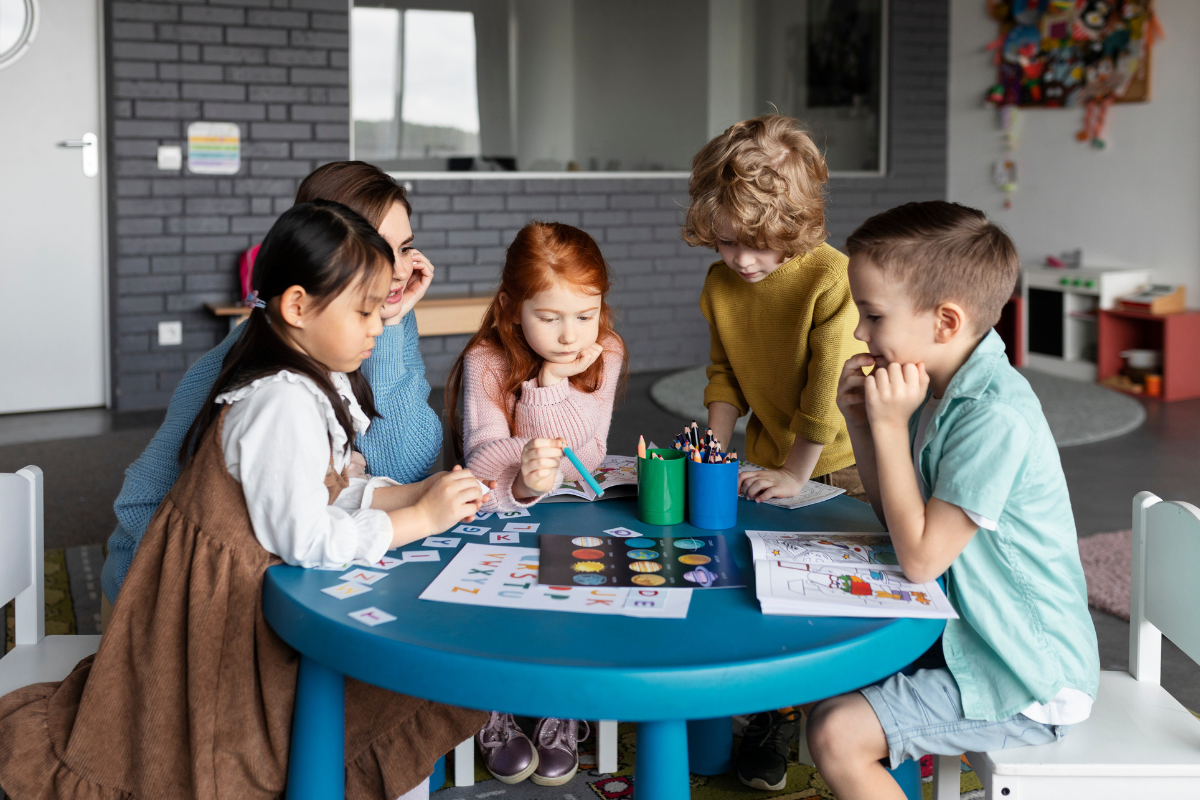
The preschool years are when children first start moving from “playing next to” other kids to “playing with” them. That shift is bigger than it looks. It involves reading faces, waiting, sharing space, handling disappointment, and using words instead of grabbing.
Children who build these skills early tend to settle into school faster, make friends more easily, and handle conflict with less drama. Kids who skip this learning often struggle socially well into the school years, even if they’re academically ahead.
Social development isn’t something kids just grow into. It’s something they practise, again and again, in small everyday moments.
Social Skills Activities for Preschoolers That Actually Work
You don’t need elaborate setups or large groups. Two or three children, a few simple props, and some adult patience are enough.
A few that work well:
- Pass the parcel, the classic game, teaches turn-taking, patience, and handling the disappointment of not getting the prize
- Simon says, listening, focus, and following instructions, all wrapped in fun
- Story circle, one child starts a story with a sentence, the next adds to it, and so on
- Mirror game, two children face each other, one moves slowly and the other copies, builds attention and empathy
- Helper of the day, taking turns being the one who sets the table or hands out snacks
- Feelings charades, acting out emotions like happy, sad, scared, and guessing them
Loved these ideas? Let’s bring them to life beyond the screen!
Discover Blueberry workbooks & box sets designed for joyful, hands-on learning.
🛒 Shop Now: https://hashtageducation.in/collections/box-set
These games look small but do heavy lifting. Each one builds a different layer of social awareness.
Reading the Room Around Other Kids
A skill worth teaching early is noticing how others feel. Kids this age can be self-focused, which is normal. Gentle prompts like “Look at her face, do you think she’s happy or sad right now?” build empathy over time. Repetition does the work, not lectures.
Group Play Activities for Kids
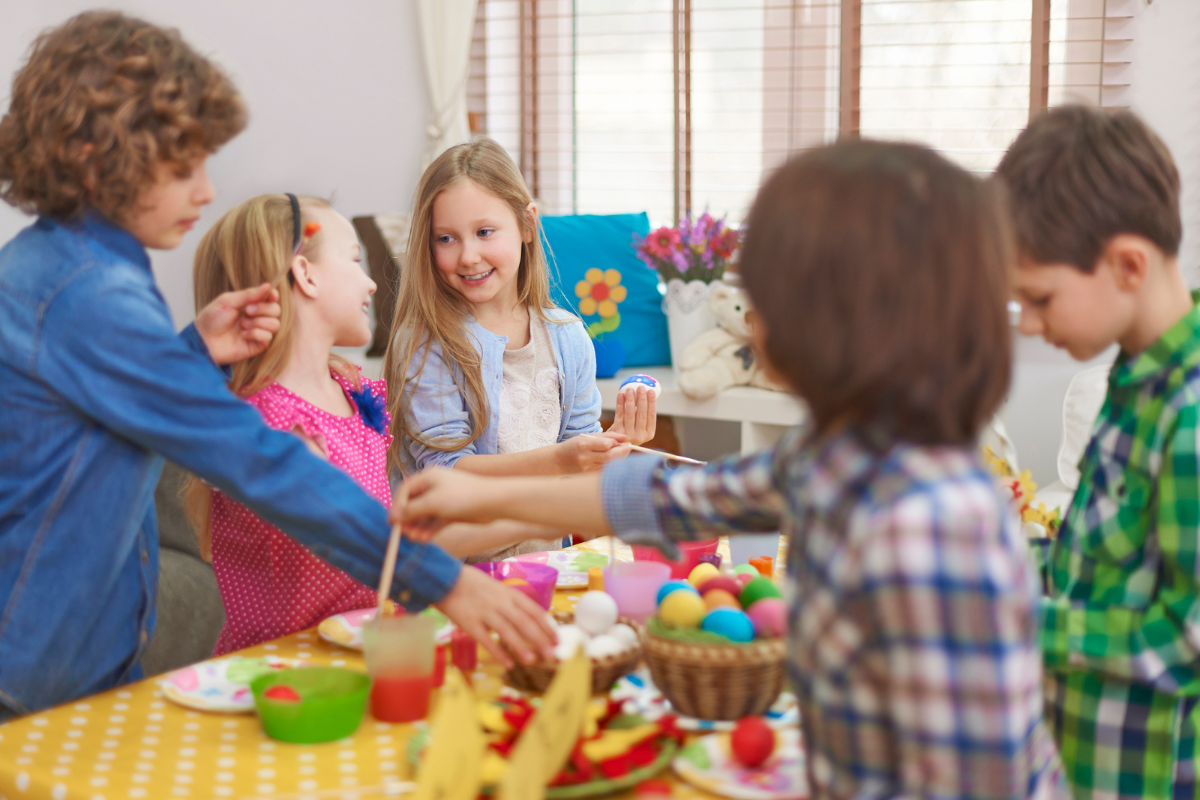
Group play activities for kids stretch the social muscles in ways one-on-one play can’t. In a group, children have to navigate more personalities, more opinions, and more competition for attention. That’s where real social learning happens.
Ideas that work for groups of three to six kids:
- Treasure hunt, with clues that need the whole team to solve
- Duck, duck, goose, an old favourite that teaches anticipation, fair play, and chasing without hurting anyone
- Group building projects, one large Lego structure or one big chart paper drawing, where everyone contributes
- Musical statues, listening and pausing together
- Tug of war with a soft rope, teamwork in its simplest form
- Group story building with picture cards
Group play also teaches losing. Kids learn that someone else winning doesn’t take away from them, an emotional skill that pays off for decades.
Looking for a fun spelling activity?
This game helps kids practise words, letters, and vocabulary through hands-on play.
👉 Shop now: https://amzn.to/4nQ2IYx
Activities to Teach Sharing and Cooperation
Activities to teach sharing and cooperation work best when the lesson is built into the play, not lectured around it. Telling a child to share rarely works. Setting up a game where they have to share to succeed almost always does.
Try these:
- One bowl, two scoops, one bowl of popcorn or fruit, two spoons, both children must serve each other before themselves
- Building with limited blocks gives a group of kids fewer blocks than they’d each want, and let them figure it out
- Cooperative art, one big canvas, several colours, one rule: everyone must use at least three colours
- Two-person puzzles, slightly too big for one child to finish alone
- Group cooking, sharing utensils, taking turns stirring, waiting for the oven, all teach patience
- Sharing jar, a small jar where kids drop a token each time they share without being asked
These activities make sharing feel like a path to something fun, not a sacrifice.
How to Improve Social Skills in Children
How to improve social skills in children comes down to a few steady habits.
- Model the behaviour, kids copy how adults speak, apologise, and handle conflict
- Don’t fix every squabble; give them space to work it out unless someone’s getting hurt
- Name emotions out loud, “You’re feeling left out right now, that’s hard”
- Setting up regular playdates, even once a week, makes a noticeable difference
- Limit screens during social time; screens kill conversation
- Praise specific social wins, “I noticed you let her go first, that was kind”
- Read books with social themes, friendship, sharing, and kindness
Social skills activities for preschoolers aren’t really about activities at all. They’re about giving kids enough chances to bump into other little humans, with adults nearby but not in the way, so they can slowly learn how to belong.