

KG Readiness Checklist to Avoid School Struggles Early
KG Readiness Checklist Every Parent Should Follow for a Smooth Start The KG readiness checklist, along with fine motor skills development, is perhaps the best tool you can use to get your child ready for kindergarten. Going into kindergarten (LKG) is a big step in your child’s life, where expectations increase with longer school hours and greater independence. The importance of a KG readiness checklist is that it helps you understand exactly what your child needs to learn before starting school. It is not a strict test; rather, it is a simple guideline for preparing your child. Every child grows at their own pace, and the value of a KG readiness checklist lies in helping you focus on what truly matters, without putting unnecessary pressure on your child. Language Skills in KG Readiness Checklist Language development is a key part of any KG checklist. At this stage, children are expected to: Building language skills is crucial for effective communication and understanding directions in class, which is an important aspect of the KG readiness checklist. Some excellent methods to develop language skills via a checklist include reading stories, communicating, and asking easy questions. Math Skills in KG Readiness Checklist Mathematics is another important part of the KG readiness checklist. Children should be able to: These concepts, contained in the KG checklist, assist children in developing basic problem-solving abilities. Counting or sorting toys is an example of a simple tasks that make learning mathematics easy and enjoyable. Motor Skills in KG Readiness Checklist Motor skills are often overlooked, but are essential in a KG checklist. Children should be able to: Fine motor skills in this checklist help children perform writing tasks comfortably. Activities like drawing, colouring, and clay play can improve these skills effectively. If you found this helpful, give your child the perfect learning start with Blueberry workbooks & box sets. 🛒 Shop Now: https://hashtageducation.in/collections/box-set Social Skills in KG Readiness Checklist Social and emotional development is a crucial part of the KG checklist. Children should: These skills help children settle into school easily. Encouraging playtime with other children helps build confidence and social understanding. Self-Care Skills in KG Readiness Checklist Self-care is an important part of the KG checklist that parents often ignore. Children should be able to: These habits in the checklist help children become independent and confident in school. Practising daily routines at home can make a big difference. How to Prepare Your Child Using the KG Readiness Checklist Using a KG checklist, parents can prepare their child step by step. Focus on: A KG checklist enables you to develop a well-balanced learning atmosphere without causing stress. Benefits of KG Readiness Checklist – Confidence Building Confidence-building is one of the most important advantages of a KG checklist. When children are prepared, they: A well-followed KG checklist ensures that children enjoy learning instead of feeling overwhelmed. Read Also: Early childhood education Do Not Panic While Using the KG Readiness Checklist When parents notice the list of KG readiness, they become concerned. It is crucial to remember that perfection is not expected in the development of the child. The schools will cater to kids on all levels. The list of KG readiness will assist you in preparing the child, but does not guarantee results or failure. Conclusion This is a simple yet highly effective tool to prepare your child for school. It gives you information on what your child should have and the proper steps to take for your child to be well-prepared for school. In order for the process to be effective, ensure that you get everything right and give yourself enough time for the same. Is Your Child Well-Prepared for School Through the Proper KG Readiness Checklist?
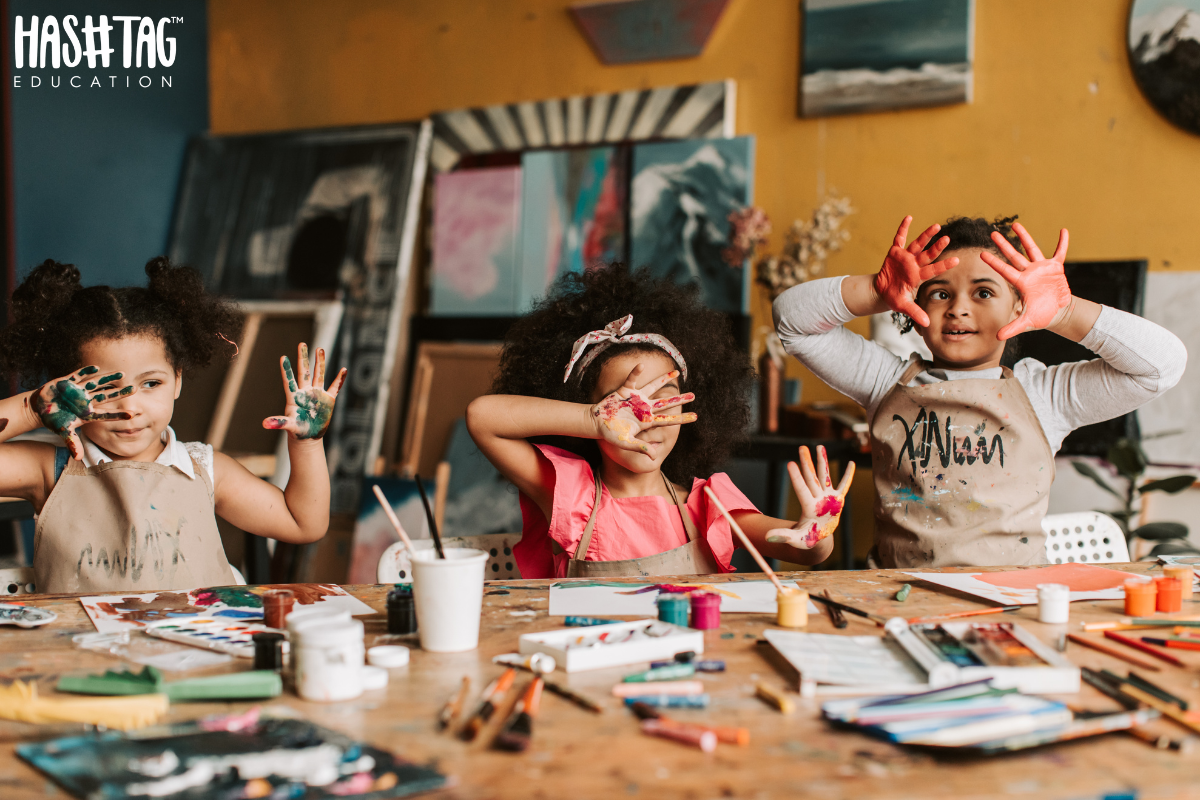
Creative Art Activities for Children That Spark Joyful Learning
Creative Art Activities for Children That Build Creativity and Confidence Creative art activities for children are perhaps the best means through which to foster learning at an early stage, in an enjoyable manner. Children are innately drawn to artistic expression, whether by way of drawing, painting, or other activities of the sort, which enable them to freely express themselves. For parents who typically stress the importance of academic learning, it is essential to understand that such creative art activities offer more than just entertainment. Not only do they foster creativity and attention, but they also enable skill development. The greatest advantage of such activities is that they are easy and inexpensive to organise, as basic supplies such as paper, colours, and household objects will suffice. Why Creative Art Activities for Children Are Important Creative art activities greatly contribute to the comprehensive development of their personality. Such activities foster creativity, critical thinking, and personal problem-solving among children. When children engage in creative art activities for children, they: Improve fine motor skills Build confidence Express emotions Develop focus and patience What is more important is that engaging kids in artistic pursuits makes learning fun, which keeps kids curious. Easy Creative Art Activities for Children at Home Here are some simple and fun creative art activities for children you can try at home: 1. Finger Painting Fun One of the most fun art activities for kids is finger painting. Allow your child to experience various colors through the use of their hands. This activity enhances sensory development and creativity. 2. Paper Tearing and Pasting Provide your child with some colored paper to cut and glue into various designs. These creative activities for children are useful in building finger muscles and increasing coordination. Loved these ideas? Let’s bring them to life beyond the screen!Discover Blueberry workbooks & box sets designed for joyful, hands-on learning.🛒 Shop Now: https://hashtageducation.in/collections 3. Leaf Printing Art Gather leaves and make prints using them by using the paint. This is the most creative art activity for kids as they get connected with nature while doing this. 4. DIY Craft with Waste Materials Old newspapers, boxes, or bottles can be used to make art. Children’s Creative Activities help develop creativity and sustainability. 5. Colour Sorting Collage Ask your child to create a collage using one colour theme. This activity makes creative activities both fun and educational. 6. Clay and Playdough Art Let your child shape clay into different forms. These creative activities improve hand strength and imagination. 7. Drawing and Free Sketching Give your child time to draw freely without correction. These creative art activities for children help them express their ideas confidently. 8. Handprint and Footprint Art Create animals or shapes using handprints. These creative activities are fun and memorable. 9. Sticker Art and Decoration Use stickers to create patterns or decorate drawings. These creative activities for children improve precision and focus. 10. Chalk Drawing Outdoors Use chalk on the floor or wall to draw big shapes. These creative activities build confidence and motor skills. How Creative Art Activities for Children Support Learning Creative activities for children are not just about fun; they also support learning in many ways. Through these activities, children learn: Colours and shapes Patterns and design Problem-solving skills Communication and expression Regular creative activities help children develop both academically and emotionally. Tips to Make Creative Art Activities for Children More Effective To get the best results from creative art activities, keep these tips in mind: Let children explore freely without correction Focus on effort, not perfection Keep activities simple and fun Provide safe and age-appropriate materials Encourage creativity and imagination When children feel free, creative activities become more meaningful. Read Also: Art and creative poster competition for schools “Who is my hero?” Common Mistakes to Avoid in Creative Art Activities for Children While doing creative art activities for children, avoid: Over-guiding or correcting Expecting perfect results Using complicated setups Limiting creativity Remember, the goal of creative art activities for children is exploration, not perfection. Conclusion of Creative Art Activities for Kids Creative art activities for kids are one of the easiest ways to make sure that you are helping your child develop. Such activities can boost your child’s creativity and improve his/her abilities. It all comes down to the fact that there is no need for complicated equipment, but rather for imagination and dedication. When kids do something that they really like, they learn in a natural way. That’s the whole point of creative art activities for kids. Do You Practice Creative Art Activities for Kids in Your Everyday Life?
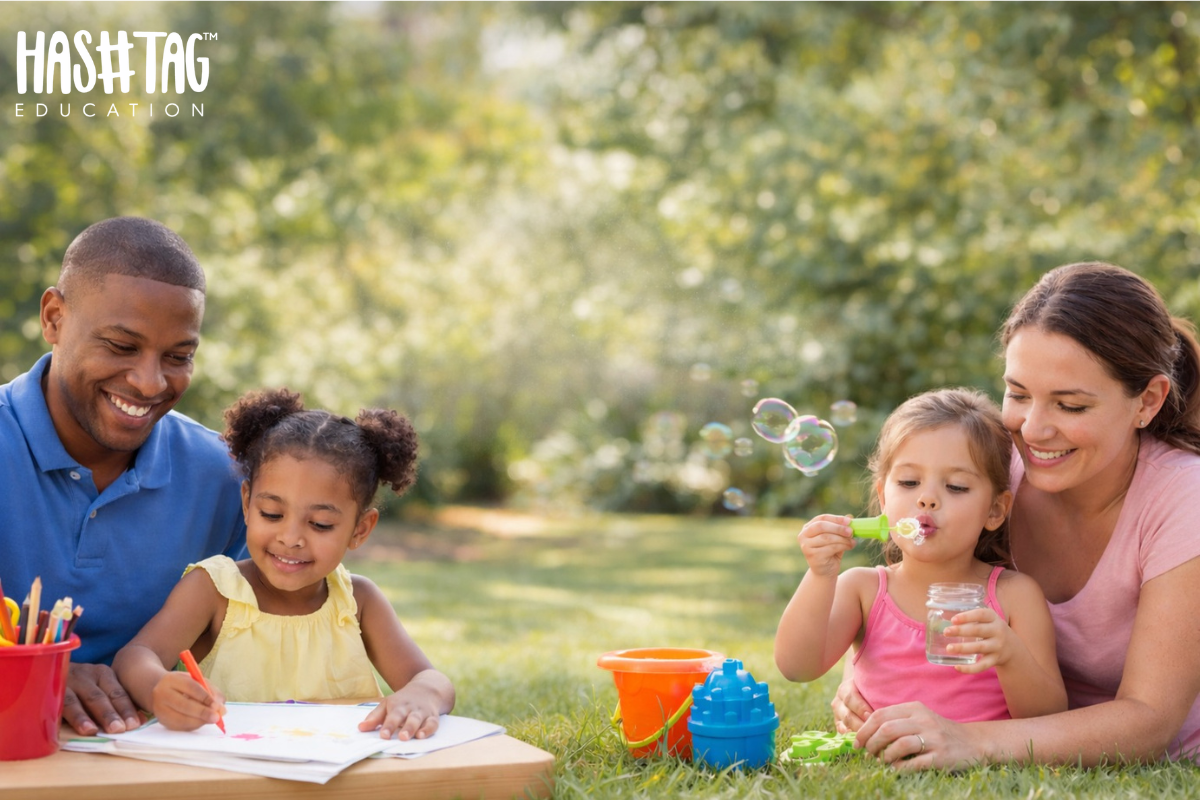
Summer Learning Activities That Make Preschoolers Happy
Summer Learning Activities That Make Learning Fun at Home Summer Learning Activities may be seen as quite a task by parents, particularly during the extended Indian holidays. For 6-8 weeks during the holiday, your children will be free from schooling, and it may not be easy for you to keep them engaged without them being on screen. However, there is hope in the sense that learning need not take place in a formal way even during the summer vacation period.The most effective Activities are those that are fun-filled, informal, and happen in your day-to-day routine. At this point, your children are likely to benefit more from learning in an enjoyable way. Why Summer Learning Activities Are Important Not all parents know that their kids lose their skills during summer holidays. This phenomenon is usually called the summer slide effect. Here comes the importance of Activities. Spending just 15-20 minutes on activities every day will allow you to help your child retain what he/she has learned at school. We want to emphasize that we do not intend to advance your kid in terms of his/her academic performance here. The purpose is only to help him/her strengthen some basic skills. Indoor Summer Learning Activities for Preschoolers 1. Daily Workbook Practice Allocate 15–20 minutes daily for workbook activities. The Summer Learning Activities will enable kids to remain in touch with their ABC’s and numbers. It should be fun; use sticker rewards or something similar to keep your child motivated. 2. Kitchen Learning Fun The kitchen offers plenty of learning opportunities. Have your child count the number of fruits, classify vegetables, or measure ingredients. These Summer Learning Activities help your child develop practical skills while turning everyday activities into fun tasks. Loved these ideas? Let’s bring them to life beyond the screen!Discover Blueberry workbooks & box sets designed for joyful, hands-on learning.🛒 Shop Now: https://hashtageducation.in/collections 3. Indoor Treasure Hunt Hide the flashcards and other items around the house and let your kid search for them.Summer Learning Activities provide exercise along with learning, making memory retention easier and enhancing recognition abilities. 4. Creative Craft Time Give your child paper, colours, and glue, and let them create freely. Craft-based Activities improve creativity, focus, and fine motor skills without feeling like structured learning. 5. Story Time Routine Reading together daily is one of the most effective activities. Ask questions, discuss pictures, and let your child imagine stories. This builds vocabulary and comprehension naturally. Outdoor Summer Learning Activities for Kids 6. Nature Observation Take your child for a morning or evening walk. Ask them to observe plants, birds, and their surroundings. These activities improve observation skills and curiosity. 7. Water Play Learning Water play is perfect for hot days. Use cups, bowls, and floating objects. These activities help children understand basic concepts like floating, pouring, and measuring. 8. Chalk Writing Practice Let your child draw letters, shapes, and patterns using chalk. These Summer Learning Activities build writing confidence in a fun and relaxed way. 9. Garden Learning Time If you have plants at home, involve your child in watering and observing growth. These Learning Activities teach responsibility and connect children with nature. 10. Evening Scavenger Hunt Create a simple list of things to find during a walk. These Activities make outdoor time more engaging and interactive. A Simple Daily Routine for Summer Learning Activities Creating a routine helps children stay consistent: Morning: Outdoor play or walk Mid-morning: Structured Activities Afternoon: Rest and quiet time Evening: Storytime and free play This balance ensures your child stays active without feeling overwhelmed. Avoid Overplanning Summer Learning Activities One common mistake parents make is over-scheduling. Too many Activities can make children tired or uninterested. Children also need free time to think, imagine, and explore on their own. A mix of 2–3 structured Learning Activities and plenty of free play is ideal. How Summer Learning Activities Build Essential Skills Regular Learning Activities help children: Build confidence Improve focus and attention Strengthen motor skills Develop curiosity and creativity These small daily efforts create a strong foundation for school readiness. Read Also: Early childhood education summer school gives children a great start to learning Common Questions About Activities How much time should my child spend? 15–20 minutes of daily Activities is enough for preschoolers. What is the best time for activities? Early morning and evening are best for Activities, especially during hot weather. Are summer camps necessary? Not necessarily. Home-based Learning Activities can be just as effective. Why Summer Learning Activities Create Lasting Growth in Children Summer is much more than just a break from school; it’s a valuable opportunity for connection, discovery, and meaningful learning. These moments spent together, whether through play, conversations, or simple activities, help shape your child’s confidence and curiosity. By following simple and consistent Summer Learning Activities, you can ensure your child continues to learn without feeling any pressure. The key is to make learning enjoyable and natural, so it becomes a part of everyday life rather than a task. When learning feels fun, children stay engaged, ask more questions, and develop a genuine love for exploring new things. These small, joyful experiences create strong foundations that support their growth in the long run. Remember, it’s not about doing more or adding extra pressure; it’s about doing the right things in the right way, with patience and consistency. Are You Incorporating Summer Learning Activities in Your Daily Life?
Fun Learning Activities at Home: Try These 5 Easy Ideas
Fun Learning Activities That Make Learning Easy at Home You might think that fun learning activities at home require a lot of planning and effort. However, the best learning opportunities sometimes take place when children are in a casual and joyful state. When children feel free to explore, play, and dream, they start to learn without even knowing it. As parents, we always feel the necessity to plan and create learning opportunities for our children. However, children sometimes do not require such planning. What they actually require is to be engaged, to interact, and to be creative. A few learning activities at home will turn every moment into a learning experience. What’s more? Your child will enjoy every moment without feeling a single burden. 5 Fun Learning Activities at Home for Kids Here are five fun learning activities at home for kids that can easily become part of your daily routine: 1. Storytelling and Pretend Play Children are natural storytellers and love listening to stories. But they love telling their own stories even more. You can sit with your child and build a story together or have your child play different roles with toys or objects. These fun learning activities at home are effective for improving your child’s imagination skills and can greatly contribute to their development. It is also a way for children to express their thoughts and feelings in a creative way. Storytelling can greatly contribute to communication skills and learning. 2. Drawing and Creative Time You can give your child paper and crayons or colors and let them draw whatever they want. You should not interfere or correct them. Let them be creative. Drawing is one of the most fun and relaxing learning activities at home. It will allow your child to express what they feel. Besides, it will also allow them to be independent and confident. Ready to make learning more meaningful at home?Blueberry workbooks & box sets help children learn, create, and grow with joy.🛒 Shop Now: https://hashtageducation.in/collections 3. Counting and Sorting Games You don’t have to go out and buy things to conduct counting and sorting games. You can use things you have at home. For instance, you can use fruits or toys. Your child will be able to learn the numbers using the things they love. These fun learning activities at home will allow your child to learn the basics of mathematics in a creative and fun manner. Besides, it will also allow them to exercise their observation skills. 4. Puzzles and Matching Games These games are also great at keeping children engaged. These might seem to be just playing, but they require a lot of brainwork. These fun learning activities at home will also enhance the memory power and patience of the child. They will learn to concentrate on the task and feel a sense of achievement when they complete it. 5. Outdoor Exploration If there is access to an outdoor area, take your child out. Ask them to observe the plants, birds, or even the sky. Ask your child simple questions such as, “What do you see?” or “Why do you think this happens?” These will become wonderful, fun learning activities at home, and the child will start to understand things. They will start to develop a natural interest in learning. Why Fun Learning Activities at Home Matter Children don’t need to be told they need to learn; they need the right environment. When you include fun learning activities at home in your daily routine, children will learn that it is not only okay to learn, but it is actually fun. Learning activities at home help children build their confidence, enhance their thinking skills, and develop their inquisitive nature. Children will learn to explore, think critically, and solve problems independently. All these small learning experiences will eventually lay the foundation for their academic and personal development. Learning is actually fun. When children learn in a fun way, they will be motivated to learn more. Read Also: 5 fun ideas for learning through play Creating Meaningful Learning Moments at Home You don’t need a perfect setup to support your child’s development. The most important thing is your presence and participation. Even a few minutes of focused interaction can make a big difference. When children feel supported and encouraged, they become more confident and willing to take on new challenges. These fun learning activities at home are not just for learning. These fun learning activities are for creating a strong bond between you and your child while helping your child develop. A Thought for Parents Are you spending time on these fun learning activities at home every day? Sometimes, even small moments of playtime, talking, and exploring together can have a big impact on your child’s future.

Parenting Tips for Indian Parents: Don’t Miss These Essential Habits
Parenting Tips That Help Indian Parents Support Early Learning Naturally Parenting tips don’t have to be hard. In most Indian families, kids learn from simple activities within the household, whether during mealtimes, discussions with relatives, or while playing. As parents, there’s no doubt that at some point, we would question ourselves whether we are giving enough. There’s constant comparison, planning, and making sure that we offer our kids what will make them better in life. The fact is, kids don’t require perfect parenting; they just need us to be consistently loving, attentive, and guiding. Simple parenting tips practiced daily contribute significantly to early learning experiences. Early learning shouldn’t be stressful for kids; it should be fun. 10 Parenting Tips for Indian Parents to Support Early Learning 1. Talk to Your Child Every Day Speaking is one of the easiest parenting tips you can give. Engaging in conversation with your child helps him/her communicate his/her ideas fluently. 2. Make Learning Part of Daily Life There is no need to separate learning from other activities. Counting, colour recognition, or any discussion about everyday activities are some good parenting tips. 3. Encourage Play Without Pressure Children learn best when they play freely. Allowing them to explore without pressure is one of the most effective parenting tips for overall development. Inspired by these ideas? Let your child practice them in a fun way!Explore Blueberry workbooks that turn concepts into engaging activities.🛒 Shop Now: https://hashtageducation.in/collections 4. Read Together, Even for a Few Minutes Reading daily exposes kids to concepts that they would otherwise not know about. It does not matter how long the reading takes. 5. Be Patient with Your Child’s Pace Every child learns differently. One of the most important parenting tips is to respect their pace and avoid unnecessary comparisons. 6. Encourage Questions and Curiosity Children are naturally curious. Encouraging their questions helps them think, explore, and understand the world better. 7. Limit Screen Time and Encourage Interaction Spending more time interacting with your child instead of relying on screens is a valuable parenting tip. Real-life experiences are far more effective for learning. 8. Create a Safe and Loving Environment The safety that the environment at home can provide helps children learn best. A good environment is a key factor for any good advice on parenting. 9. Appreciate Effort, Not Just Results Instead of focusing only on results, appreciate your child’s efforts. This helps build confidence and encourages them to keep trying. 10. Be Involved in Small Moments Your presence matters more than anything else. Whether it’s helping with homework or simply playing together, these small moments make a big impact. Parenting Tips That Build Confidence Over Time As these parenting tips are integrated into their daily lives, kids gradually start becoming more confident. They start expressing themselves, trying new things, and taking on minor risks without being afraid. Confidence isn’t gained through significant accomplishments; it’s gained through continuous encouragement. As kids start feeling valued and listened to, they become naturally more expressive and independent. Read Also: Parenting tips for children age 6-9 The Real Meaning of Early Learning at Home Early learning is not about completing books or getting ahead of others. It is about helping children enjoy learning. When parents follow simple parenting tips, they create an environment where children feel safe to explore and grow. This positive experience helps children develop a love for learning that stays with them for life. Why These Parenting Tips Truly Matter In today’s fast-paced world, it’s easy to feel that more is always better: more classes, more activities, more pressure. But in reality, children grow best in environments where they feel supported, not stressed. These parenting tips remind us that learning happens in everyday life. It’s in conversations, shared laughter, and simple routines. These moments may seem small, but they create a strong foundation for a child’s future.Are You Following These Parenting Tips in Your Daily Routine?