
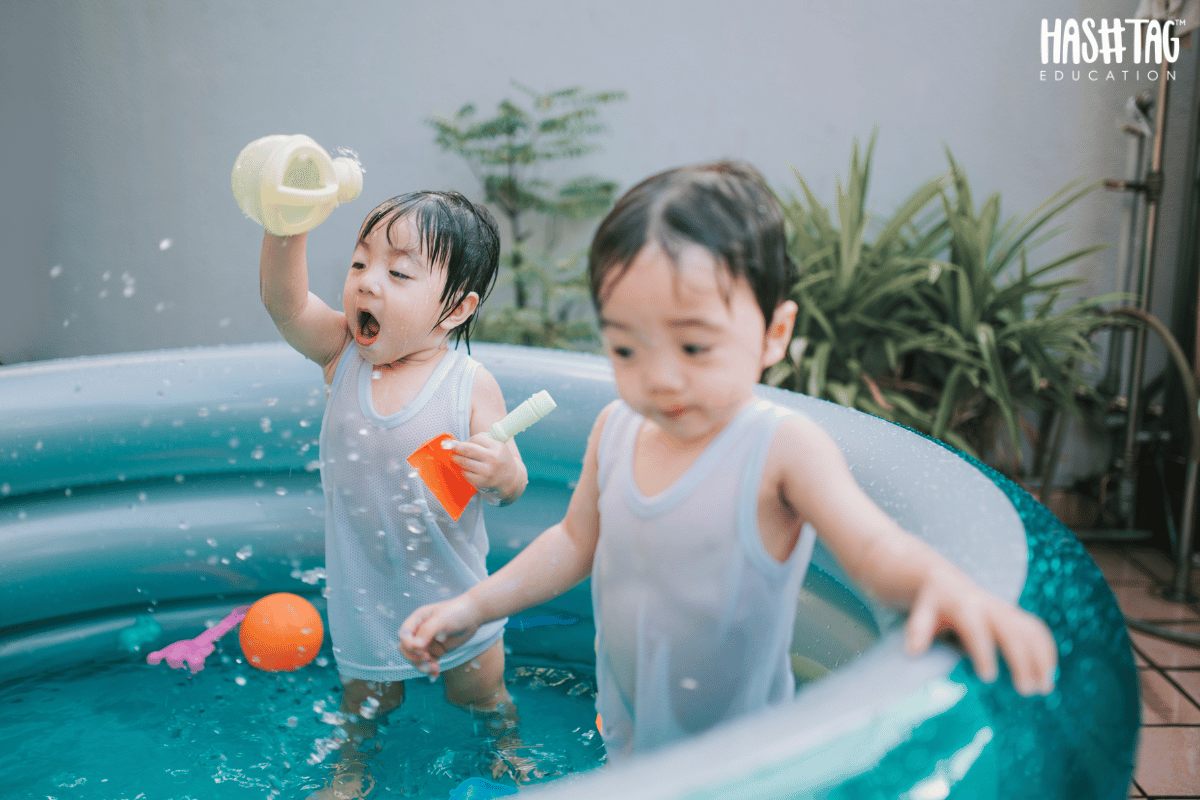
Water Play Activities for Toddlers: Fun Yet Powerful Learning Booster
Water Play Activities for Toddlers That Turn Splashing into Learning Water Play Activities for Toddlers is a simple way of encouraging toddlers to learn. The use of water in teaching toddlers is natural and easy to obtain; the toddler will be attracted to splash water without realising what learning he/she is undergoing. Through Water Play Activities for Toddlers with the help of only a few utensils, the toddler will be taught science and mathematics skills in a very playful manner. This means that toddlers learn when they are busy doing something. Why Water Play Activities For Toddlers Matter Water Play Activities for Toddlers not only serve as entertainment but also as a means of sensory learning. Children learn different things using their senses when they play in water, such as touch, sight, hearing, and experimenting with their environment. It is a multisensory activity that can help develop brain synapses compared to other passive activities. Water play helps children: Improve hand-eye coordination Understand basic maths concepts like full and empty Explore scientific ideas like floating and sinking Develop language by describing actions and feelings Stay calm and focused through repetitive play Because of these benefits, Water Play Activities for Toddlers are considered one of the most effective early learning tools. 8 Water Play Activities For Toddlers 1. Pouring Station Set up cups, bowls, and a jug. Let your child pour water between containers. What it teaches: Coordination, focus, and volume concepts. 2. Sink or Float Experiment Use household items like coins, leaves, or toys. Ask your child to guess what will sink or float. What it teaches: Observation, prediction, and early science skills. 3. Colour Mixing Fun Add food colours to water and let your child mix them. What it teaches: Colour recognition, experimentation, and creativity. 👉 If you found this helpful, explore our Blueberry books for fun and meaningful learning.🛒 Shop Now: https://hashtageducation.in/collections/box-set 4. Ice Rescue Game Freeze small toys in ice and let your child melt them using warm water. What it teaches: Patience, problem-solving, and temperature awareness. 5. Sponge Squeeze Activity Give a sponge and two bowls, one full, one empty. Let your child transfer water using the sponge. What it teaches: Hand strength and coordination. 6. Water Painting Use a brush and water to “paint” on surfaces. The art disappears as it dries. What it teaches: Creativity and early writing skills. 7. Fishing Game Float small objects and use a spoon to scoop them out. What it teaches: Coordination, counting, and control. 8. Waterfall Play Setup Create a simple system using bottles and funnels. Let water flow through different paths. What it teaches: Problem-solving, cause and effect, and basic engineering thinking. How Water Play Activities For Toddlers Build Skills Water Play Activities for Toddlers work very well since they integrate learning into playing. Children do not have to be taught anything; rather, they discover things themselves. In this way, there will be an enhancement of: Cognitive development Fine motor skills Attention span Creativity and imagination Unlike in the case of teaching classes, water play activities help children learn from firsthand experience. Practical Tips For Water Play Activities For Toddlers For more convenient and less troublesome Water Play Activities for Toddlers: Play outside or in bathrooms Have towels at hand Dress the child comfortably Restrict playtime to 15 to 20 minutes Combine cleaning up with the activity These tips will help you make your water play fun for your toddler and yourself. Best Time For Water Play Activities For Toddlers Water Play Activities for Toddlers should be scheduled according to the weather conditions: Summer season: Early morning or late evening Rainy season: Indoor water play is preferred Winter season: Warm water can be used indoors Why Water Play Activities For Toddlers Work The main reason why Water Play Activities for Toddlers stand out is that they are simple. No expensive equipment or complicated arrangements are required. Children find water fascinating, which makes the learning process easy. They acquire valuable life skills while having fun. It promotes inquisitiveness among kids, inspiring them to pose questions and discover answers on their own. Read Also: 10 playful activities for children with disabilities Why Water Play Truly Matters Water Play Activities for Toddlers go beyond being simply an activity that occupies kids’ time. Such exercises provide children with a wonderful opportunity to develop various skills by combining enjoyment with discovery and education. Through these exercises, kids not only learn about the surrounding world but also gain some practical experience which will benefit them in the future. As the saying goes, playing leads to acquiring knowledge, but it provides much more than that. It creates a solid foundation for further development, boosts self-confidence, and stimulates a passion for discovering new things.
Weekend Learning Activities for Preschoolers: Fun Yet Powerful Growth Plan
Weekend Learning Activities for Preschoolers That Turn Play into Learning Weekend Learning Activities for Preschoolers can change the way your kids spend their Saturdays and Sundays. During weekdays, there’s always a set schedule, but on weekends, your kids either watch TV all day or simply run around without anything productive happening. However, if you do things the right way, your kids’ weekend can be filled with fun and education. Weekend Learning Activities for Preschoolers should be about introducing activities to your kids to develop skills through play, not sitting down to do homework like in school. Playing and having fun make kids interested and motivated without any pressure at all. Philosophy Of The Weekend: Light Structure, Heavy Fun The most crucial element of Weekend Learning Activities for Preschoolers is maintaining simplicity and flexibility. The weekend should not be as rigid as weekdays. It must not be planned with strict timings or any sort of academic pressure on the child. Instead, the activities should include experiences that cannot be accommodated on weekdays: Exploring nature Baking or cooking Art and craft sessions Games with family members Simplicity is the key: 👉 Saturday = Dynamic play and learning 👉 Sunday = Creative play and bonding This balance keeps children excited while still supporting development. Age 2–3: Explorer Weekend Learning Activities For Preschoolers At this age, Weekend Learning Activities for Preschoolers should focus on sensory exploration and simple interactions. Saturday Ideas Nature walk: Collect leaves, stones, or flowers Sensory play: Use sand, water, or rice Kitchen helper: Let them wash vegetables or stir batter Sunday Ideas Story time: Read multiple short books Free art: Drawing, colouring, or scribbling Music time: Dance and explore sounds 👉 If you found this helpful, explore our Blueberry books for fun and meaningful learning. 🛒 Shop Now: https://hashtageducation.in/collections What it builds: Vocabulary, sensory skills, early motor development, and bonding. Age 3–4: Discoverer Weekend Learning Activities For Preschoolers Children become more curious and active at this stage. Weekend Learning Activities for Preschoolers can now include simple learning concepts. Saturday Ideas Park games: Shape spotting, counting steps Science fun: Sink-or-float experiments Playdough learning: Create numbers and shapes Sunday Ideas Puzzle time: 12–24 piece puzzles Cooking together: Simple dishes like fruit salad Board games: Snakes and Ladders, memory games What it builds: Problem-solving, early maths skills, curiosity, and patience. Age 4–5: Creator Weekend Learning Activities For Preschoolers At this stage, children are ready for more structured creativity. Weekend Learning Activities for Preschoolers can focus on building and creating. Saturday Ideas DIY building projects using cardboard or blocks Outdoor sports with simple rules Drawing or journaling experiences Sunday Ideas Science projects: Growing plants or simple experiments Cooking: Baking or measuring ingredients Story creation: Writing and drawing stories What it builds: Creativity, independence, logical thinking, and confidence. Screen Time Strategy For Weekend Learning Activities For Preschoolers A balanced approach to screens is essential. Weekend Learning Activities for Preschoolers should focus more on real experiences than digital ones. A Practical Strategy: Saturday: One short 10-minute learning game Sunday: No screens, only physical play This keeps children engaged while reducing dependency on screens. Experts recommend prioritising hands-on activities over passive screen time for better development. Family Game Rotation For Weekend Learning Activities For Preschoolers Adding variety is important. Introduce one new activity every weekend. Over time, you will build a collection of favourite games. Examples: Ages 2–3: Hide and seek, stacking blocks Ages 3–4: Memory games, treasure hunts Ages 4–5: Charades, storytelling games This rotation keeps Weekend Learning Activities for Preschoolers fresh and exciting. What To Avoid During Weekend Learning Activities For Preschoolers To keep weekends enjoyable, avoid these common mistakes: Don’t overload with structured tasks Don’t force missed weekday learning Don’t remove free play completely Don’t make activities feel like school The purpose of Weekend Learning Activities for Preschoolers is to make learning feel natural and fun, not forced. Read Also: Indoor play ideas to stimulate young children at home Why Weekend Learning Activities For Preschoolers Work The reason Weekend Learning Activities for Preschoolers are so effective is simple: they combine learning with real-life experiences. Children: Learn better through hands-on activities Stay engaged without pressure Build stronger emotional connections Develop creativity and confidence Unlike traditional methods, these activities allow children to explore at their own pace. Why Weekend Learning Actually Matters Weekend Learning Activities for Preschoolers are not about being busy; they are about doing things differently to ensure a higher quality of learning for children. They allow children to remember things for long periods of time while simultaneously providing opportunities for developing vital skills such as solving problems, thinking creatively, and communicating. It is important to note that these learning activities do not require a lot of money or time. All you need to do is spend some time with your child and be creative. This is especially true since weekends can be extremely beneficial for the growth of your kid if spent correctly.
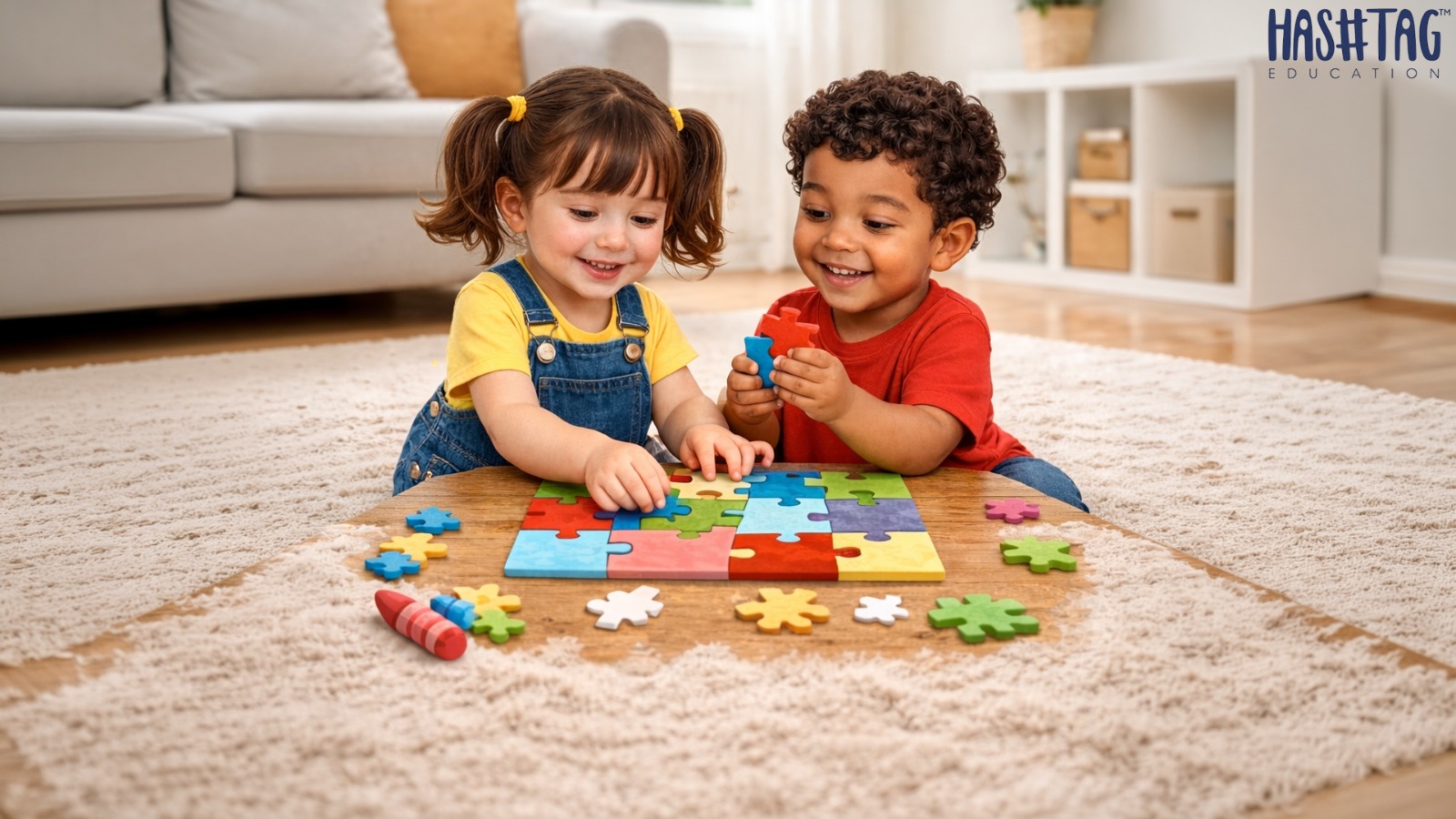
Sensory Play Ideas for Toddlers: Powerful Yet Overlooked Brain Booster
Sensory Play Ideas for Toddlers That Boost Brain and Body Development Sensory Play Ideas for Toddlers are among the most effective tools for brain development. Although most parents focus on academic methods or structured Learning Games for Preschoolers, sensory learning remains the most natural and powerful way for a child to gain knowledge. The process of touching, smelling, tasting, listening, and viewing is what truly develops a child’s brain and strengthens early learning foundations. The activity that stimulates different brain zones is what makes Sensory Play Ideas for Toddlers so efficient. For example, a toddler playing with wet sand or dough activates several parts of the brain simultaneously. That is why passive activities such as watching videos and using apps cannot replace sensory games. Why Sensory Play Ideas For Toddlers Matter There is an accelerated rate at which the brain forms during the first years of life. This process benefits from sensory experiences in Sensory Play Ideas for Toddlers since they build neurological pathways that enhance memory, coordination, and comprehension of the environment. Sensory experiences differ from conventional approaches to education by involving a child’s entire body. In other words, the child is not merely learning but actively participating in a process which adds depth to their experience. One of the other important advantages offered by Sensory Play Ideas for Toddlers is their impact on children’s emotions. Children become relaxed, concentrated, and attentive when engaging with various objects and stimuli. Touch-Based Sensory Play Ideas For Toddlers Activity 1: Sensory Rice and Dal Bin Pour rice into a bin along with some dal, spoons, and little toy items. Encourage your kid to dig and explore by scooping and pouring. How it works: The contrasting textures aid sensory development while scooping builds muscle strength in the hands required for writing. Activity 2: Dough Play using Atta Blend atta dough with water and colours to make a dough that is safe for home use. Encourage your baby to press, roll, and shape it. How it works: This activity stimulates creativity and fine motor development. It also creates a safe environment, particularly for toddlers. Smell And Taste Sensory Play Ideas For Toddlers Activity 3: Spice Smelling Game Use everyday spices such as haldi, jeera, and elaichi. Allow your child to smell these spices and describe their smells. Rationale: The sense of smell is closely connected to our memory. Sensory Play Activities for Toddlers support the development of recognition and vocabulary skills. 👉 If you found this helpful, explore Blueberry workbooks & box sets and make learning more meaningful at home.🛒 Shop Now: https://hashtageducation.in/collections/box-set Activity 4: Fruit Taste Test Offer little pieces of fruit and ask your child to identify the fruits by tasting them using words such as “sweet,” “sour,” and “tangy.” How it works: This exercise enhances sensory skills and teaches kids to recognise various flavours. Sound-Based Sensory Play Ideas For Toddlers Activity 5: What Made That Sound? Use kitchen utensils such as spoons or running water, as well as clapping, to make sounds. Let your kid name the sound. How it helps: The recognition of sounds improves listening skills, essential for language acquisition. Activity 6: Music Makers Put rice, coins, or pebbles into containers and have your child make music by shaking them. Explanation: This sensory play activity is suitable for toddlers to help them recognise different sounds and patterns. Visual And Movement Sensory Play Ideas For Toddlers Activity 7: Torch Shadow Play Take a torch and play in a dark room with hand or toy shadows by changing the distance between the light source and the object. Why this works: The game promotes creativity and helps understand some science principles like light and shadow. Activity 8: Walk on Textures Build a track by placing various materials such as fabric, foil sheets, and mats. Allow your baby to walk barefoot on the track. How it helps: This activity promotes body awareness and sensory integration. How To Use Sensory Play Ideas For Toddlers Daily You do not necessarily have to make new arrangements daily. Some of the most effective Sensory Play Ideas for Toddlers will fit into the toddler’s routine easily. While cooking: allow your child to explore the textures of foods and the scents of spices While bathing: explore sensations of water and soaps While playing outside: explore sensations such as leaves, the sound of birds and shadows While eating: discuss sensations of flavours and textures Why Sensory Play Ideas For Toddlers Are So Effective The answer as to why Sensory Play Ideas for Toddlers are highly effective lies in the fact that they involve the use of several senses simultaneously, making more robust connections between the neurons than simple learning. These activities will enable your child to: Refine his fine and gross motor skills Enhance concentration Expand vocabulary Develop memory and analytical abilities Gain an active understanding of their surroundings Such activities promote inquisitiveness, the key to learning throughout life! Read Also: Indoor play ideas to stimulate young children at home Why Sensory Play Is Important Sensory Play Ideas for Toddlers are not only games but also necessary tools for development. They help kids perceive the world, communicate and feel confident exploring it. It’s not important whether they are expensive or complicated; the most important thing is that kids should have enough freedom to explore them, while adults must make sure they are safe. In the course of time, all these tiny things will have an impact on the way they perceive the world and develop their cognitive abilities. After all, when kids experience the world through their senses, they understand it better.
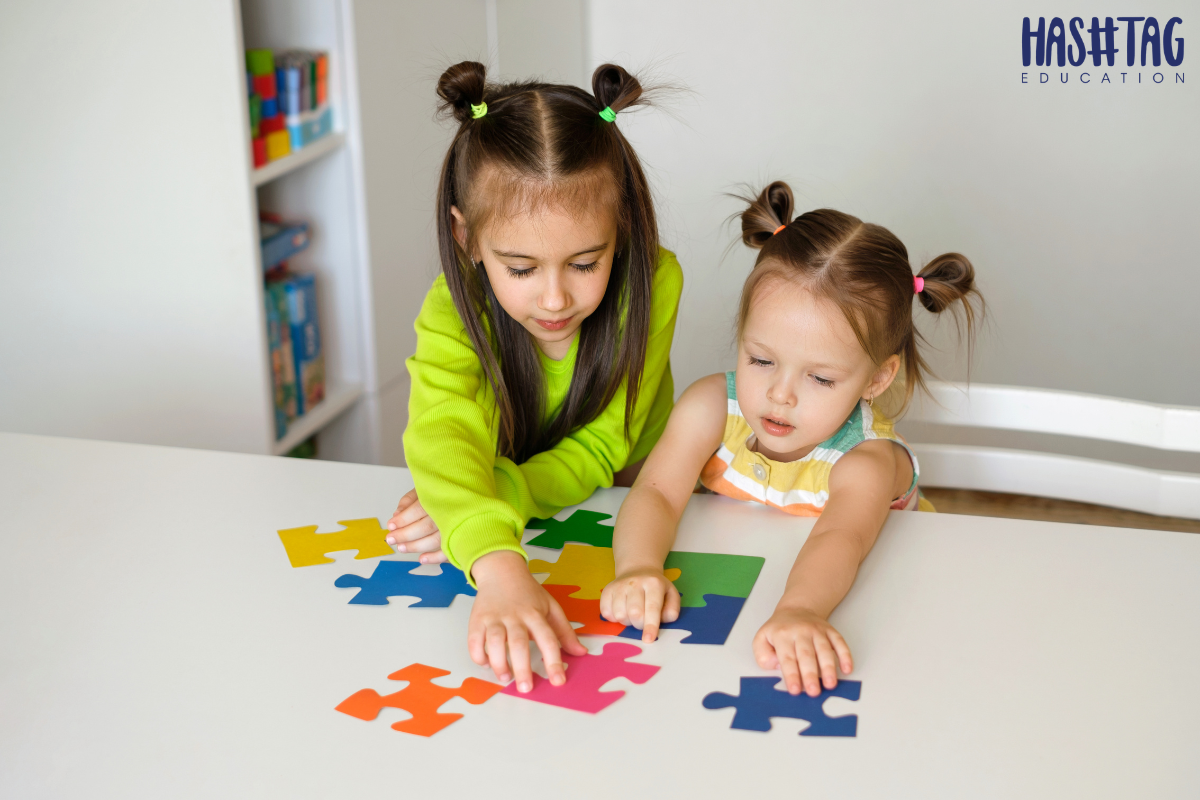
Puzzles for Preschoolers: Amazing Yet Underrated Brain Power Booster
Brain Building Puzzles for Preschoolers Puzzles for preschoolers stand out as one of the most potent yet overlooked resources for developing young children’s minds. If there were only one activity that could nurture the cognitive development of a child, puzzle games would surely top the list. It is an enjoyable blend of fun and learning, which allows for skill-building through play. The act of picking up a puzzle piece marks the beginning of thought processes, experimentation, and discovery. The most distinctive feature of this toy is that it provides instant feedback to children. A puzzle piece fit correctly provides a sense of accomplishment, while the opposite results in a do-over situation. Neuroscience Puzzles For Preschoolers In the process of solving puzzles for preschoolers, the child’s brain of the child works simultaneously in several regions. The visual system perceives forms, colors, and patterns. The cognitive functions of the brain predict how the element will fit into its rightful place. The memory stores the patterns that the child remembers, and the motor skills direct the movement of the hand to fit the puzzle piece accurately. This process occurs rapidly and repeats itself several times within one session. With each completed step, dopamine is released, motivating the child to perform further actions. Thus, the repetitive cycle stimulates the formation of neurons and improves cognitive and educational functions. Scientific studies show that frequent activities with puzzles for preschoolers positively impact the development of spatial awareness. Spatial awareness is highly correlated with academic achievements in such disciplines as mathematics, science, and other analytical activities. Selection Of Appropriate Puzzles For Preschoolers As Per The Age Group It is essential to choose appropriate puzzles for preschoolers so that children are entertained but not bored with too much difficulty. Age Group 1-2 Years (Pre-Nursery): Puzzles made up of knobs with 3-5 pieces would be appropriate. Such types of puzzles will help in understanding shapes and building grip strength. Age Group 2-3 Years (Nursery): Puzzles made of chunky pieces with 6-12 pieces and easy-to-understand images will suit the age group. These puzzles develop spatial and matching skills. 👉 If you found this helpful, explore our Blueberry workbooks & box sets designed for joyful, hands-on learning.🛒 Shop Now: https://hashtageducation.in/collections Age Group 3-4 Years (Lower Kindergarten): Use puzzles having 12-24 pieces, which are jigsaws. Such puzzles help children recognize patterns and think of their next move. Age Group 4-5 Years (Upper Kindergarten): Use puzzles with images that are complex, with 24-48 pieces. How To Support Without Overruling There are many things parents can get wrong when helping their preschool children solve puzzles. Although it’s natural to want to assist in the process, answering deprives the little one of an invaluable lesson. Guide your kid in terms of how to approach this activity: Point out what you notice in the puzzle (“Look! This is some part of the sky!”) Ask open-ended questions about the solution (“What do you think goes here?”) Stimulate the learning process rather than forcing it Remember that speed isn’t the essence of puzzle-solving in preschoolers; it is the development of problem-solving abilities that should be emphasized in the process. Digital And Physical Puzzles For Preschoolers Currently, there are two types of puzzles that can be used by preschoolers: digital puzzles and physical puzzles, with each puzzle having its strengths. The benefits of physical puzzles include: Development of fine motor skills Development of hand-eye coordination Hands-on learning experience The benefits of digital puzzles include: Immediate feedback on performance Automatic adjustment of the level of difficulty Variety and increased engagement Thus, the usage of both digital and physical puzzles in pre-schooling has the potential to be very beneficial. Forming A Pattern Of Daily Puzzle Play Puzzles should be consistent and predictable when introducing them to preschoolers. It can be tremendously helpful to integrate puzzles into your child’s daily life. It’s important to have puzzles readily available at all times for your child to grab whenever they want. Present new puzzles to your child in small doses to keep them engaged. Short, frequent puzzle play is far better for your preschooler than sporadic, long periods of time spent on puzzles. Why Puzzles For Preschoolers Are So Effective The explanation for why puzzles for preschoolers are so effective is that they incorporate different ways of learning all at once. Not only are the children entertaining themselves, but they are using their minds in other ways, too. Puzzles help children: Develop logical thinking Improve concentration and focus Build patience and persistence Strengthen memory Learn through trial and error Because of these different skills combined in a single puzzle, puzzles are some of the most well-rounded learning tools for preschoolers. Read Also: Playful Learning at Home Practical Skills That Can Be Developed From Puzzles Apart from the intellectual skills that puzzles develop, they also teach practical skills in preschool children. They are taught how to tackle problems, be patient, and continue with their work despite some failure along the way. This experience gives them self-confidence and self-reliance. Over time, they will start viewing problems as things that need to be tackled and solved rather than avoided. This kind of attitude will serve them well both in education and later in life. From this essay, it can be clearly seen that puzzles play a very important role in the intellectual development of preschool children. If exposed to this kind of game regularly, children will not only develop problem-solving skills but also confidence and self-reliance. And most importantly, they will have fun doing it. Children get so involved in the activity that they will not find it boring at all.
Outdoor Learning Games for Preschoolers: Amazing Brain Boost
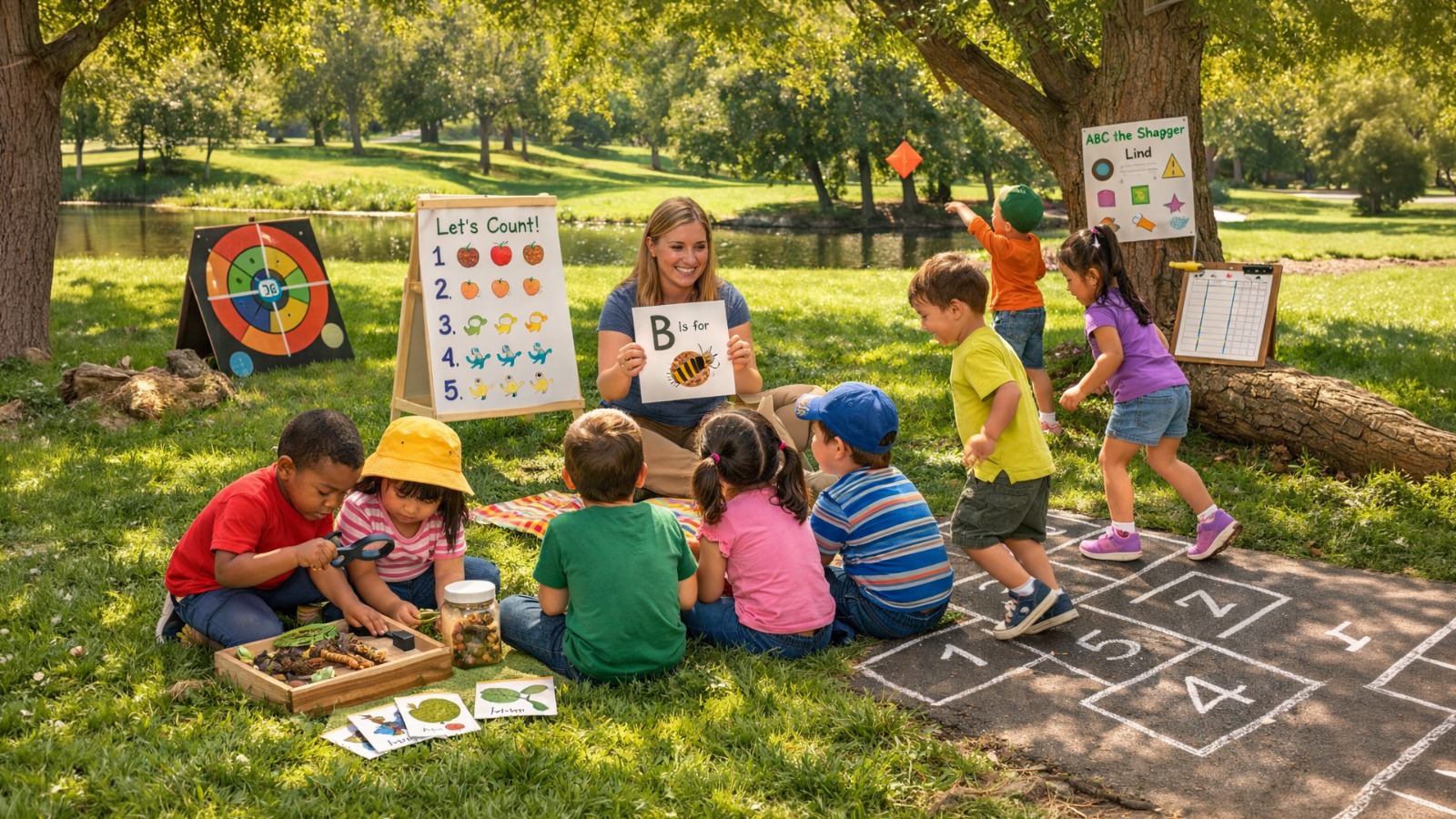
Outdoor Learning Games for Preschoolers That Turn Play into Learning Outdoor Learning Games for Preschoolers will transform how your kids learn while playing in your usual routine. Parents generally take their kids to the park daily, where they play and run about, slide, swing, and expend all their energy. But imagine if these same 30 minutes were used for teaching some vital lessons on counting, language skills, observing, solving problems, and so forth, without your kid knowing it? This is possible with Outdoor Learning Games for Preschoolers. They merge learning with fun. There is no distinction made between learning time and playing time; both are merged together through these games. The best thing is that you need no materials or preparation whatsoever. Maths through outdoor learning games for preschoolers Game 1: Step Counting Start from a certain spot in the park and go somewhere else by walking and counting steps. Next time, try hopping. Questions: How many steps were taken? Which mode consumed more steps? Skills Learned: Counting, comparing, measurements, and estimates. Game 2: Nature Sorting Find some leaves, pebbles, flowers, or twigs. Instruct your child to categorize them according to their sizes or colors. Count the objects in each group. Skills learned: Classification, counting, and comparative ideas such as more, less, and equal. Game 3: Shape Spotting Transform the park into a place where you will help your child identify circles, rectangles, triangles, and other shapes from common objects around the environment. Skills learned: shape recognition in the real world. 👉 If you liked these games, explore our Blueberry books and box sets for your child.🛒 Shop Now: https://hashtageducation.in/collections/box-set Science through outdoor learning games for preschoolers Game 4: Shadow Play Stand in sunlight and observe your shadows. Dance, jump, or wave around and note what occurs. Come back later to witness a change in the shadow. Skills learned: light, shadow, cause and effect, and time perception. Game 5: Bug Safari Search for ants, butterflies, or other bugs. Some examples of questions that can be asked are: what are they up to, and where are they headed? Skills learned: curiosity and observation. Game 6: Weather Watching Look up at the sky before going out. While playing, ask about how the weather is, whether it is hot, windy, or cloudy. Skills learned: light awareness of weather, vocabulary, and environment. Language through outdoor learning games for preschoolers Game 7: I Spy with Description Describe items in more detail than only their colour, like, “I see an item which is tall with green leaves.” What it helps to learn: vocabulary and descriptive language skills. Game 8: Story Walk Tell a story as you walk. Each step adds a sentence to your tale based on your surroundings. Skills learned: Imagination, storytelling, sequence, and communication. Physical play that builds the brain Game 9: Balancing Act Balance on a straight line or a wall. Introduce obstacles such as carrying something while walking. Skills gained: coordination, balance, and concentration. Game 10: Ball Throwing Toss a ball at a target. Count the number of times you hit it, and vary the distance between the target and thrower. Skills learned: eye-hand coordination, counting, and determination. The 30-Minute Park Learning Routine An easy method of incorporating the Outdoor Learning Games for Preschoolers into a schedule: 0–5 minutes: Free play 5–15 minutes: 2 learning games 15–25 minutes: Free play with peers 25–30 minutes: Reflection time This will make learning seem less structured, yet still give learning opportunities. Why outdoor learning games for preschoolers work so well Children have to be active participants in their own learning experience. Just sitting down and memorizing things does not work with preschool children, but getting them to move around and ask questions works. Outdoor Learning Games for Preschoolers work because they: Turn curiosity into learning Build confidence through exploration Encourage independent thinking Connect real-world experiences with concepts They also reduce screen time while improving physical health, making them one of the most balanced learning methods available. Read Also: The importance of outdoor play (and how to support it) Why Outdoor Learning Truly Matters Outdoor Learning Games for Preschoolers are one of the easiest but also the most effective tools that will positively impact your toddler’s development. There is no need for fancy materials, classes, or screen time. All you need is some free time and a local park. Simple outdoor activities for kids help them develop such skills as curiosity, self-confidence, observation, and problem-solving. Learning becomes easier when there is no stress or tension, as it comes spontaneously and effortlessly. With time, the impact of such games on a kid will become even greater. Not only will he acquire new skills, but he will also associate the act of learning with having fun.
Learning Platform for Kids: Powerful New Launch Every Parent Must Know
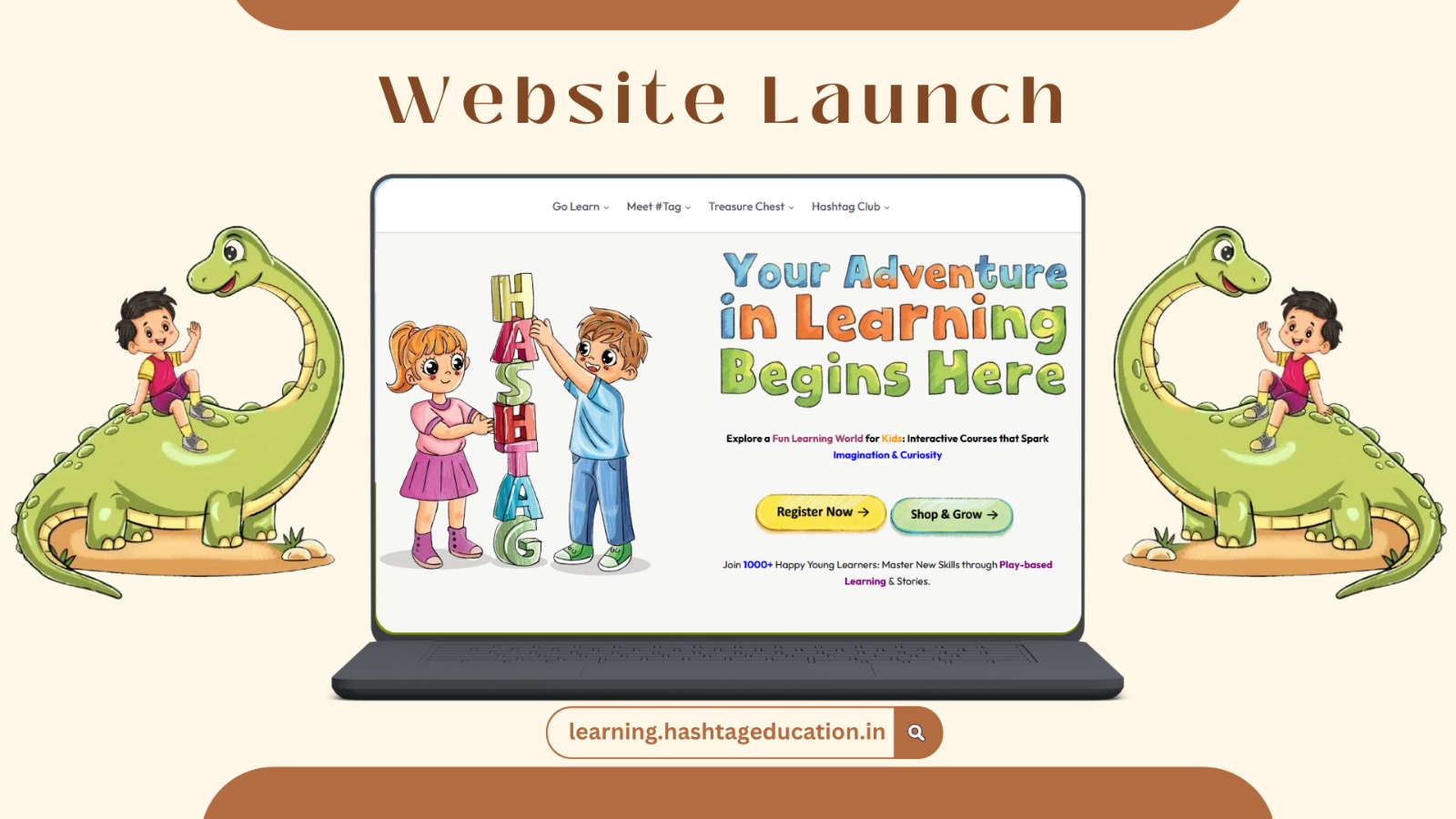
Learning Platform for Kids: Where Your Child’s Learning Adventure Begins Learning platform for kids is where your child’s journey of discovery truly begins. Somewhere between bedtime stories and breakfast conversations, a child’s mind is quietly building the foundations of everything they will ever learn. The way they notice colours on a butterfly wing, count steps to the front door, or ask “why?” again and again that is learning in its purest, most magical form. Today, we are excited to introduce our thoughtfully designed early learning platform, created to turn these everyday moments into meaningful learning experiences. Introducing a New Learning Platform for Kids This learning platform for kids is not just another app filled with flashy animations or endless videos. It is a complete and carefully built learning platform designed for children aged 0 to 5, shaped by educators, and created to make learning joyful and structured. Welcome to a space where learning truly feels like play because it is. Go Learn: Structured Paths, Joyful Progress At the heart of this learning platform for kids is Go Learn, a set of premium, structured courses designed for: Pre-Nursery (0–2 years) Nursery (2–3 years) LKG (3–4 years) UKG (4–5 years) Each course in this early learning platform follows a carefully planned path across English, Hindi, Mathematics, General Awareness, Rhymes, Stories, and Creative Activities. The progression is simple yet powerful skills build gradually so your child grows with confidence, not confusion. Meet #Tag: Learning That Feels Personal Every great learning platform for kids needs engaging companions. That’s why children learn alongside lovable characters who guide, encourage, and celebrate their progress. This emotional connection makes the early learning platform more engaging, helping children learn better and remember more. This is not just design; it’s backed by developmental psychology. Treasure Chest: A Complete Learning Resource Hub This learning platform for kids goes beyond courses. The Treasure Chest offers: Worksheets organised by age and subject Interactive sorting games and puzzles Structured lesson plans AI-powered prompts for parents These features make the early learning platform a powerful tool not just for children, but for parents as well. The Hashtag Club: Support for Every Parent Parenting can feel overwhelming, but this learning platform for kids ensures you are not alone. The Hashtag Club offers: Parenting tips Expert blogs Community feedback Learning updates This transforms the early learning platform into a supportive ecosystem for families. Built for Indian Families Unlike generic apps, this learning platform for kids is designed specifically for Indian households. It aligns with CBSE, ICSE, and NEP 2020 while reflecting real-life cultural experiences. This makes the early learning platform more relatable, practical, and effective. Ready to make learning more meaningful at home?Explore Blueberry workbooks that turn concepts into engaging activities.🛒 Shop Now: https://hashtageducation.in/collections Why This Learning Platform for Kids Matters The first five years are critical for development. A strong learning platform for kids ensures that this phase is structured, engaging, and meaningful. With the right early learning platform, your child: Builds confidence Develops cognitive skills Learns with joy What Comes Next This learning platform for kids will continue to grow with: More courses New interactive games Parent dashboards Workbook integration The early learning platform evolves as your child grows. Your Child’s Learning Journey Starts Now Your child’s early years are precious. The right learning platform for kids does more than prepare them for school; it shapes their love for learning. We created this early learning platform to make learning joyful, structured, and accessible for every family.
5 Amazing Memory Games for Preschoolers That Supercharge Brain Power
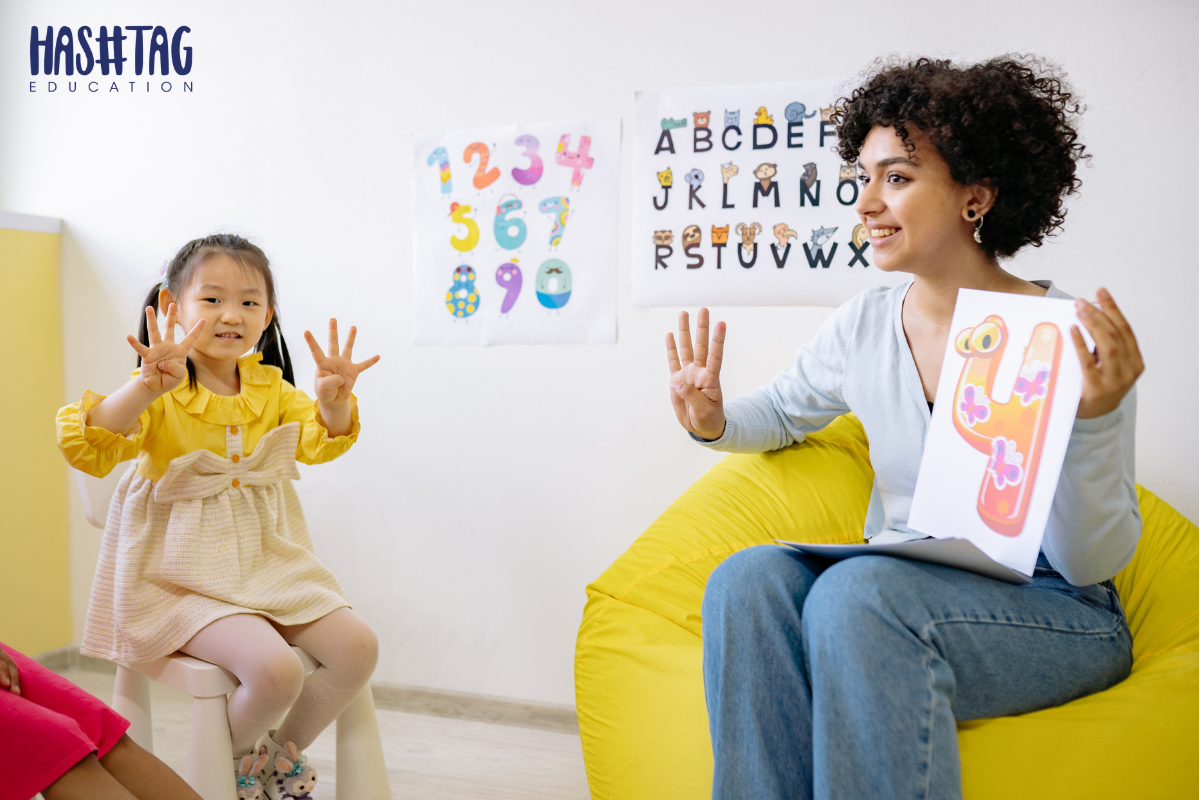
Memory Games for Preschoolers That Build Brain Power Memory games for preschoolers are one of the best ways to build strong cognitive skills at an early age. At this stage, children learn quickly, and the right kind of play can make a big difference in how their brains develop. Memory isn’t something your child is simply born with; it’s a skill that grows stronger with regular practice and the right activities. That’s why including memory games for preschoolers in your child’s daily routine is so important. These playful activities don’t feel like learning, yet they help children improve focus, recall, and thinking skills in a fun and stress-free way. When kids enjoy what they are doing, they naturally learn faster and better. The best part is that memory games for preschoolers don’t require any special equipment or preparation. You can easily turn everyday moments into learning opportunities. Below are 5 simple and effective memory games for preschoolers that are backed by research and designed to strengthen your child’s brain through play. GAME 1: WHAT’S MISSING? How to play: Select five common items and place them on a tray (spoon, toy car, ball, crayon, cup). Allow your child to observe the objects for 30 seconds. Then cover the tray with a cloth and remove an item. Remove the cover and ask: “What’s missing?” Why it works: The game improves visual working memory, which is the capacity to remember an image and make comparisons between it and the real world. Working memory is the best indicator of academic achievement at the primary school level, as stated in a 2019 article from Intelligence. Make it harder: Start with 3 objects and gradually increase to 8. Remove 2 objects instead of 1. Add a time limit for answering. Age: 2.5 years and up 👉 If you liked these memory games, give your child a smarter learning start with our books and courses. 🛒 Shop Now: https://hashtageducation.in/collections GAME 2: SIMON SAYS How to play: Start with simple commands like: Simon says, touch your nose. As your child improves, add more steps: Simon says, touch your nose and jump twice. Then move to three-step instructions. Why it works: This game builds auditory sequential memory (remembering instructions in order) and self-control. These are essential for classroom learning, where children must follow multi-step instructions. Make it harder: Increase the number of steps. Add distractors by giving commands without “Simon says” to test impulse control. Age: 2 years and up (simple), 3.5+ (multi-step) GAME 3: KIM’S GAME How to play: Show your child a detailed picture (park, classroom, or street scene). Let them observe it for 1 minute. Then hide the picture and ask questions like: What colour was the car? How many birds were there? Was there a dog? Why it works: This improves observation and long-term recall. It also helps with reading comprehension by teaching children to notice details. Make it harder: Use more complex images, ask detailed questions, or increase the delay before asking questions. Age: 3 years and up GAME 4: STORY CHAIN How to play: Start a story: I went to the market and bought a banana.Your child repeats it and adds another item. Keep building the chain until someone forgets. Why it works: This game builds sequential memory while boosting creativity. The storytelling format makes remembering easier and more fun. Make it harder: Use uncommon items, add descriptive words, or play with multiple people. Age: 3 years and up GAME 5: PATTERN CLAP How to play: Clap a simple pattern (clap-clap-pause-clap) and ask your child to repeat it. Gradually increase the complexity. Why it works: Rhythmic memory activates different brain areas. Studies show music-based learning can improve memory performance by 15–20% in preschoolers (Journal of Experimental Child Psychology, 2020). Make it harder: Add more beats, combine actions (clap-tap-stamp), or let your child create patterns. Age: 2+ (simple), 4+ (complex) THE BRAIN-BUILDING ROUTINE Play one game per day: Monday: What’s Missing? Tuesday: Simon Says Wednesday: Kim’s Game Thursday: Story Chain Friday: Pattern Clap This rotation builds all types of memory (visual, auditory, sequential, observational, rhythmic) and keeps learning fun. For digital learning, interactive puzzle games and structured courses can further strengthen memory and pattern recognition skills. Read Also: Games that Support your Child’s Development FREQUENTLY ASKED QUESTIONS Q: How much time should we spend on memory games? A: For memory games for preschoolers, 10–15 minutes per session is ideal. Short, focused sessions of memory games for preschoolers are more effective than long ones. Q: My child gets frustrated when they cannot remember. What should I do? A: When playing memory games for preschoolers, reduce the difficulty immediately. Start with fewer items or simpler steps. Always end memory games for preschoolers on a success to build confidence. Q: Can these games help with school readiness? A: Yes. Memory games for preschoolers build working memory, which is the strongest predictor of academic success in early primary school, stronger than IQ, socioeconomic status, or prior knowledge. These memory games for preschoolers directly build the cognitive skill that matters most for your child’s learning and development.
Indoor Activities for Kids That Turn Boredom into Fun
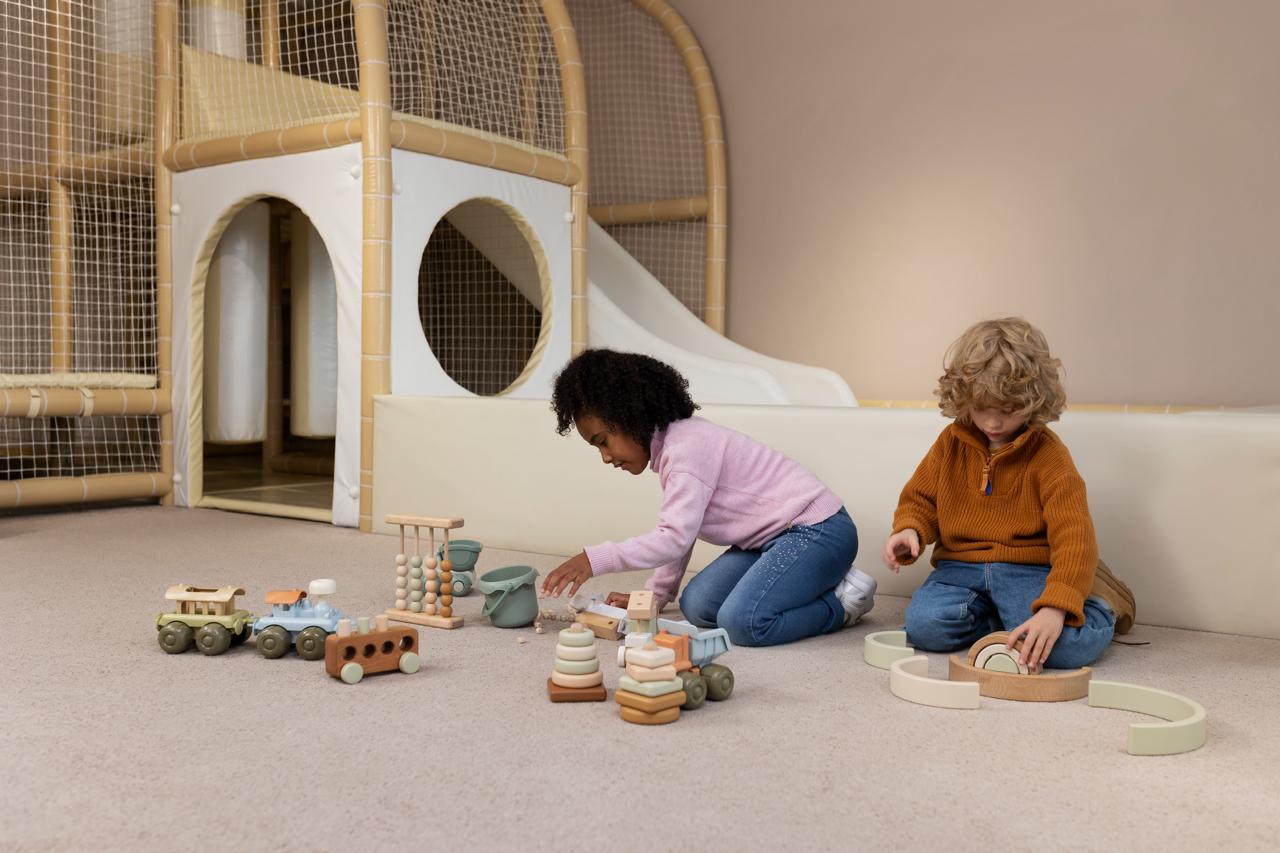
Indoor Activities for Kids That Turn Boredom into Fun When education aligns with real-world needs, students leave not just with degrees, but with clarity, capability, and direction. Indoor activities for kids can truly be a lifesaver on days when your child keeps saying, “I’m bored!” Whether it’s because of bad weather, holidays, or just a long day at home, keeping kids entertained indoors can sometimes feel like a challenge. But the truth is, you don’t need expensive toys or complicated plans; simple indoor activities for kids can keep them happy, engaged, and active. In fact, some of the best memories are created through simple, everyday moments. Sitting together, laughing, creating something new, or even playing a small game can turn an ordinary day into something special. These indoor activities for kids are not just about fun; they quietly help children learn, grow, and build important life skills. When kids are involved in meaningful indoor activities for kids, they become more creative, confident, and emotionally connected to their surroundings. And the best part? They don’t even realize they are learning while they play. Why Indoor Activities Matter for Kids Indoor time is often misunderstood as “idle time,” but it actually plays a very important role in a child’s development. Children don’t always need structured lessons or outdoor play to learn. Sometimes, the comfort of home provides the best environment for creativity and exploration. When children are given the freedom to play indoors, they start using their imagination more. They create their own stories, invent games, and learn how to solve small problems on their own. These moments help naturally shape their thinking and behavior. What Kids Learn from Indoor Activities They become more imaginative and creative They learn how to focus and stay engaged They reduce their dependence on screens They feel emotionally secure and connected They build confidence by trying new things Indoor activities for kids are not just about keeping them busy; they help in building a strong foundation for lifelong learning. Best Indoor Activities for Kids at Home If you’re looking for simple and practical ideas, here are some indoor activities for kids that are easy to try and actually work in real life. 1. Drawing and Coloring Time Give a child a few colors and a blank sheet of paper, and you’ll see magic happen. Drawing is one of the simplest ways for kids to express what they feel and imagine. You don’t need to guide them too much, just let them explore freely. Some children may draw their family, while others may create something completely imaginary. Both are equally valuable. You can make it more fun by: Sitting and drawing with them Giving small themes like “draw your dream house.” Displaying their artwork on a wall This small gesture makes children feel proud and encourages them to keep creating. 2. Storytelling and Reading Together There’s something warm and comforting about reading together. It’s not just about books; it’s about spending quiet, meaningful time with your child. Instead of just reading, try to make the experience interactive. Use different voices for characters, pause to ask questions, and let your child imagine what happens next. You can also: This helps improve language skills while strengthening your bond. Ready to make learning more meaningful at home?Blueberry workbooks & box sets help children learn, create, and grow with joy.🛒 Shop Now: https://hashtageducation.in/collections 3. Puzzle and Brain Games Puzzles might seem simple, but they teach patience and problem-solving in a very effective way. At first, children might struggle, but once they complete a puzzle, the sense of achievement they feel is priceless. It builds confidence and encourages them to try again. You can try: These activities quietly develop thinking skills while keeping kids engaged. 4. Indoor Treasure Hunt If your child loves adventure, this activity is perfect. Hide small objects around the house and give them clues to find each one. The excitement of searching keeps them active and focused. You can make it creative by: Writing simple clues, using riddles for older kids Giving a small reward at the end This activity not only entertains but also improves problem-solving skills. 5. Music and Dance Time Sometimes, all you need is a little music to change the mood completely. Kids love moving around, and dancing is a great way to release energy. Play their favorite songs and let them dance freely. No rules, no pressure—just pure fun. You can also: Create a family dance session Play freeze dance games Sing along with actions. It’s a great way to boost mood and physical activity indoors. 6. DIY Craft Activities Craft time is where creativity truly shines. And the best part is, you don’t need fancy materials. Look around your house, and you’ll find plenty of things to use: Old newspapers Cardboard boxes Empty containers Let your child create anything they want. It could be a toy, a decoration, or something completely random. What matters is the process, not the result. 7. Building and Stacking Games Children naturally enjoy building things. Whether it’s blocks, cups, or even cushions, they love creating structures. This activity helps them understand balance, shapes, and coordination. It also improves focus as they try to build something stable. And of course, knocking it down afterward is just as fun! Simple Tips to Make Indoor Activities More Enjoyable Sometimes, the way you approach an activity makes all the difference. Be Present Even a short time spent with your child without distractions can make them feel valued. Keep It Flexible If something isn’t working, don’t force it. Switch to another activity. Encourage, Don’t Correct Let children explore without worrying about mistakes. Appreciate Small Efforts A little encouragement goes a long way in building confidence. Read Also: Activity ideas for playing and learning with your children Creating a Simple Indoor Routine Having a loose routine can help structure the day without making it feel strict. For example: Morning: Creative activity like drawing or craft Afternoon: Active play like dancing or games
Rainy Day Activities: Fun Indoor Games for Preschoolers
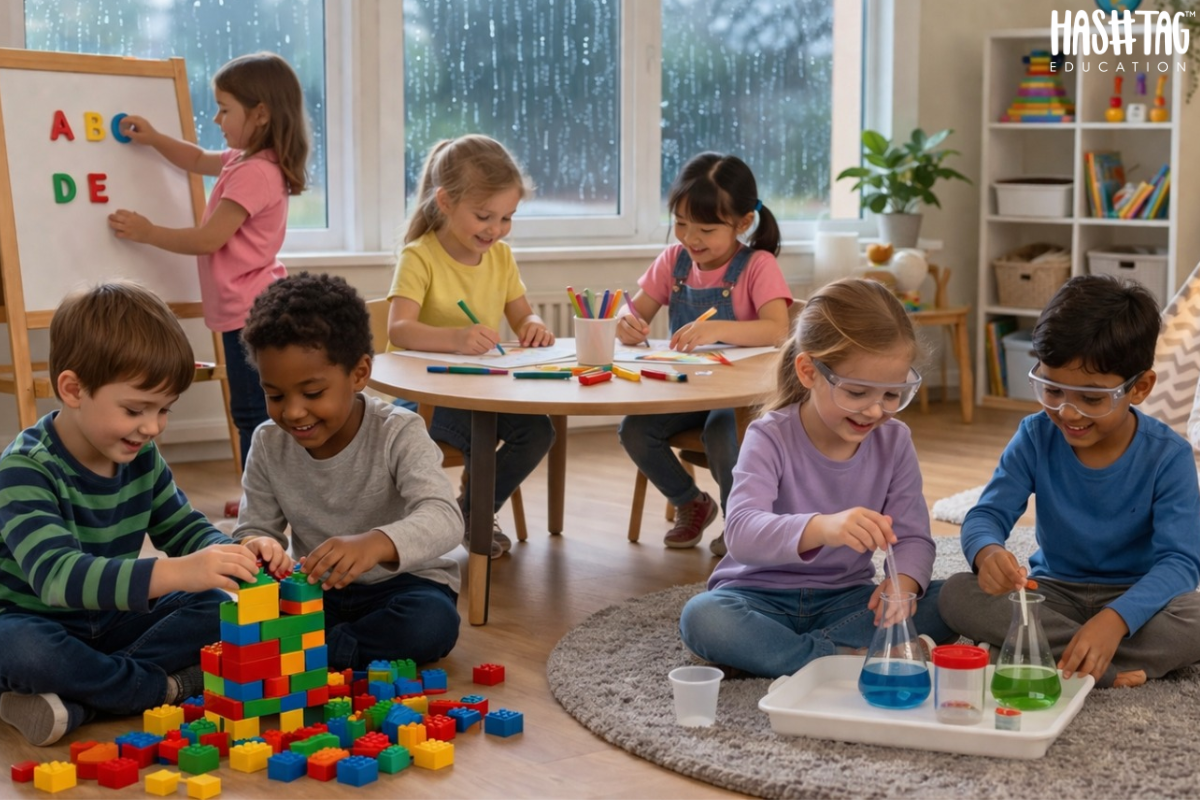
Rainy Day Activities and Preschoolers Indoor Games That Keep Kids Learning Rainy day activities can truly be a lifesaver when your preschooler is stuck indoors and full of energy. We’ve all been there, restless kids, messy rooms, and that constant temptation to just hand over a screen. But instead, you can turn these moments into something fun and meaningful with simple summer learning activities and creative art activities. Preschoolers learn best through play, and that’s exactly what makes these moments so valuable. That’s why we’ve put together a list of rainy day activities that will keep your child active, playful, and happy. The best part? Most of these activities require very little effort. All you need are a few everyday household items and a little time to play along with your preschooler. Active Rainy Day Activities for Preschoolers (Burn Energy) 1. Indoor Obstacle Course One of the most exciting rainy day activities is creating an obstacle course at home. Use cushions, chairs, bedsheets, and pillows to design a mini adventure track. This type of preschool indoor game helps children: Build strength and coordination Follow instructions. Stay physically active indoors. 2. Freeze Dance Freeze dance is a classic rainy day activity that kids absolutely love. Play music and let your child dance freely. When the music stops, they must freeze. This is one of the simplest preschoolers’ indoor games to improve: Listening skills Self-control Rhythm and movement 3. Animal Walk Races Turn movement into fun with animal walk races. Ask your child to walk like a bear, jump like a frog, or waddle like a penguin. These rainy day activities improve: Motor skills Balance and coordination Imaginative play Creative Rainy Day Activities (Boost Imagination) 👉 If you liked these activities, explore our books and give your child a fun learning experience. 🛒 Shop Now: https://hashtageducation.in/collections 4. Cardboard Box City Let your child build houses, roads, and shops using cardboard boxes. This creative rainy day activity can keep them engaged for hours. These preschoolers’ indoor games help develop: Creativity Planning skills Storytelling ability 5. Kitchen Band Use pots, spoons, and containers to create a fun musical setup. This rainy day activity allows kids to explore sounds and rhythms. It helps children learn: Patterns and rhythm Cause and effect Creative expression 6. Dress-Up Storytelling Use scarves, caps, or costumes to create characters. Ask your child to act out a story. This is one of the most engaging preschoolers’ indoor games for: Language development Imagination Confidence Learning Rainy Day Activities (Build Brain Skills) 7. Treasure Hunt with Clues Hide a toy and give your child picture-based clues to find it. This interactive rainy day activity keeps kids thinking and moving. It teaches: Problem-solving Sequencing Understanding directions 8. Memory Card Game Create matching cards using paper or stickers. This is one of the most powerful preschoolers’ indoor games for brain development. It improves: Memory Concentration Attention to detail 9. Letter and Number Fishing Make paper fish with letters or numbers and let your child “fish” them using a simple stick and magnet. This rainy day activity helps with: Letter recognition Number skills Hand-eye coordination 10. Cooking Together Involve your child in simple cooking tasks like mixing or counting ingredients. This practical rainy day activity builds real-life skills. Children learn: Counting and measurement Sequencing Responsibility Quiet Rainy Day Activities (Wind Down Time) 11. Story Building Game Take turns creating a story together. This calm, rainy-day activity helps children express ideas and think creatively. It builds: Vocabulary Listening skills Imagination 12. Puzzle and Workbook Time End the day with quiet preschoolers’ indoor games like puzzles or colouring. This helps children relax after active play. These rainy day activities improve: Focus Patience Fine motor skills Simple Rainy Day Schedule for Preschoolers A structured day using rainy day activities can make things easier for parents: Morning: Active play (obstacle course, dance) Mid-morning: Creative play (art, music) Afternoon: Learning games (memory, treasure hunt) Evening: Quiet activities (stories, puzzles) This balance of preschoolers’ indoor games keeps children engaged without overwhelming them. Read Also: Indoor games that support your child’s development Why Rainy-Day Activities and Preschoolers’ Indoor Games Matter Rainy day activities provide a way for kids to keep active and engaged when confined to inside spaces. Preschoolers’ indoor games minimise screen time and promote practical learning. They support: Physical development Cognitive growth Emotional well-being Through regular practice, such activities will form a solid base for a lifetime of learning. There is no need for dull moments on a rainy day. With a good balance of rainy day activities and indoor games for preschoolers, your child can learn while having fun inside. Which of these rainy day activities will you try with your preschooler today?
7 Amazing Sorting Games for Toddlers That Build Maths
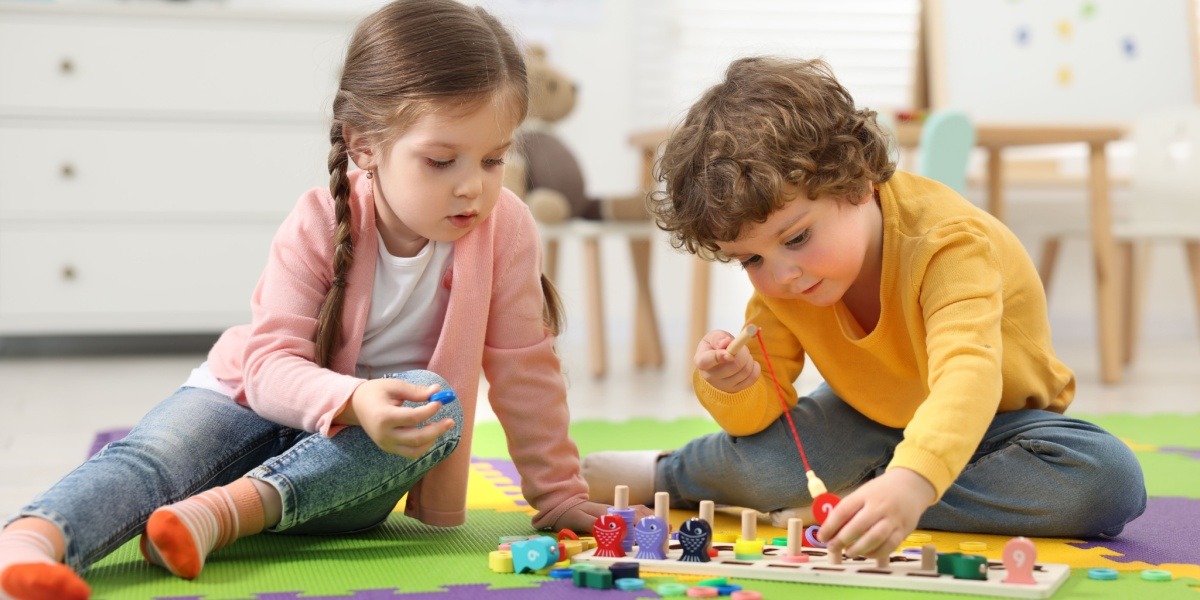
Why Sorting and Matching Games for Toddlers Matter Sorting Games for Toddlers are one of the easiest and most effective ways to introduce early maths skills through play. At this young age, children learn better through hands-on activities rather than formal study methods. Everyday situations can easily be turned into meaningful learning experiences. These games help toddlers understand basic maths concepts such as classification, comparison, patterns, and one-to-one correspondence. By engaging in sorting and matching activities, children naturally build the foundation needed for advanced skills like counting and problem-solving. Another advantage is that sorting and matching games for toddlers are simple to organise and require very little equipment, making them perfect for daily learning at home. 7 Sorting and Matching Games for Toddlers You Can Try at Home 1. Colour Muffin Tin Game This game is very easy to prepare and is one of the simplest games for toddlers to learn matching and sorting. All you need to do is use a muffin tin, where coloured papers will be placed in each hole, then let your child match and sort small items such as beads or buttons by colour. 2. Sock Matching Game Time spent on laundry can become an interesting educational game. In this matching game for toddlers, children match pairs of socks. In this case, kids develop their visual discrimination abilities, memory, and concentration skills while engaging in a practical activity. 3. Shape Hunt Game In this sort-and-match game for toddlers, you will only have to go round your house and spot shapes from ordinary things. This will be like spotting circles in plates and rectangles in books. It will help children associate learning with practical life and develop their observational skills. 👉 If you liked this, explore our books and give your child a strong learning start.🛒 Shop Now: https://hashtageducation.in/collections 4. Big and Small Sorting Game This game helps teach toddlers about size differentiation. Provide your toddler with objects of various sizes and ask them to categorise the objects by dividing them into bigger and smaller ones. You can even introduce them to terms such as tall, short, more, and less. 5. Fruit and Vegetable Sorting Game The toddler fruit and vegetable sorting game makes use of actual produce. Request your toddler to segregate these according to their category. This could also be extended to segregation based on colour or type, thus improving classifying ability as well as vocabulary. 6. Pattern Train Game Pattern making is one of the main components of mathematical education. For this sorting-and-matching activity for toddlers, develop a pattern like red, blue, red, blue, and have your toddler replicate it. It will aid pattern-making skill development, which is crucial for logical thinking. 7. Number Parking Game This is a slightly more advanced sort-and-match game for toddlers. You will need toy cars and number cards. Have your toddler park the appropriate number of toy cars in each number box. Your toddler will learn about counting, number recognition, and simple addition skills through this exercise. How Sorting and Matching Games for Toddlers Build Maths Skills Sorting and matching games for toddlers have a very important purpose beyond entertainment; these activities play a vital part in developing brain power. They help children: Understand grouping and categorisation Recognise patterns and sequences Develop logical thinking Improve focus and memory As children play sorting and matching games for toddlers, they start noticing connections between objects; therefore, math begins to develop within them. Benefits of Sorting and Matching Games for Toddlers There are several benefits of including sorting and matching games for toddlers in daily routines: 1. Improves Cognitive Skills These games help children think, compare, and analyse. 2. Builds Fine Motor Skills Picking and placing objects strengthens the finger muscles needed for writing. 3. Enhances Problem-Solving Ability Children learn to identify patterns and make decisions. 4. Encourages Independent Learning Children start exploring and learning on their own. Read Also: 5 fun ideas for learning through play Tips to Make Sorting and Matching Games for Toddlers More Effective Here are some guidelines to ensure you make full use of sorting and matching games for toddlers: Keep sessions short (10–15 minutes) Use bright and engaging objects Encourage, don’t force learning Gradually increase difficulty Consistency is the key to success. With consistent play involving sorting and matching activities among toddlers, the child will be able to develop excellent basic skills. Extend Learning Beyond Sorting and Matching Games for Toddlers When your kid starts feeling confident in such activities that involve the sorting and matching of objects, you can move ahead with something more challenging. This can include: Interactive learning tools Activity-based workbooks Guided learning programs These help reinforce concepts learned through play and prepare children for formal education. The Importance of Early Learning Through Play Sorting and matching activities are crucial during the initial stages of a toddler’s growth. Such basic games can teach a child how to sort, compare, and pattern – all essential concepts in math and logic. In addition to developing cognitive skills, a child also enhances fine motor skills, concentration, and confidence when solving problems. The best thing about such games is that a child learns through play without feeling pressured. If parents integrate such activities into a toddler’s daily life, they establish a solid foundation for future learning without causing any stress to their little one. Are you including sorting and matching games in your toddler’s daily learning routine?