

 Team Hashtag
Play Based Learning Activities for Preschoolers: What Actually Helps Little Kids Grow
Play based learning activities for preschoolers aren’t just a nice-to-have add-on between meals and naps. For a three- or four-year-old, play is the work. It’s how they figure out how the world fits together, how words attach to things, and how their own hands and feet do what their brain wants. Parents often worry their child isn’t “learning enough” at home, but the truth is, a well-set-up afternoon of play does more for a young brain than a stack of worksheets ever will.
Why Play Matters More Than We Think
The benefits of play in early childhood show up in almost every area of development. Kids who get regular unstructured and guided play time tend to pick up language faster, handle frustration better, and stay curious about new things. Researchers who study early brain development keep coming back to the same point: the connections children form between two and six years old shape how they learn for the rest of their lives.
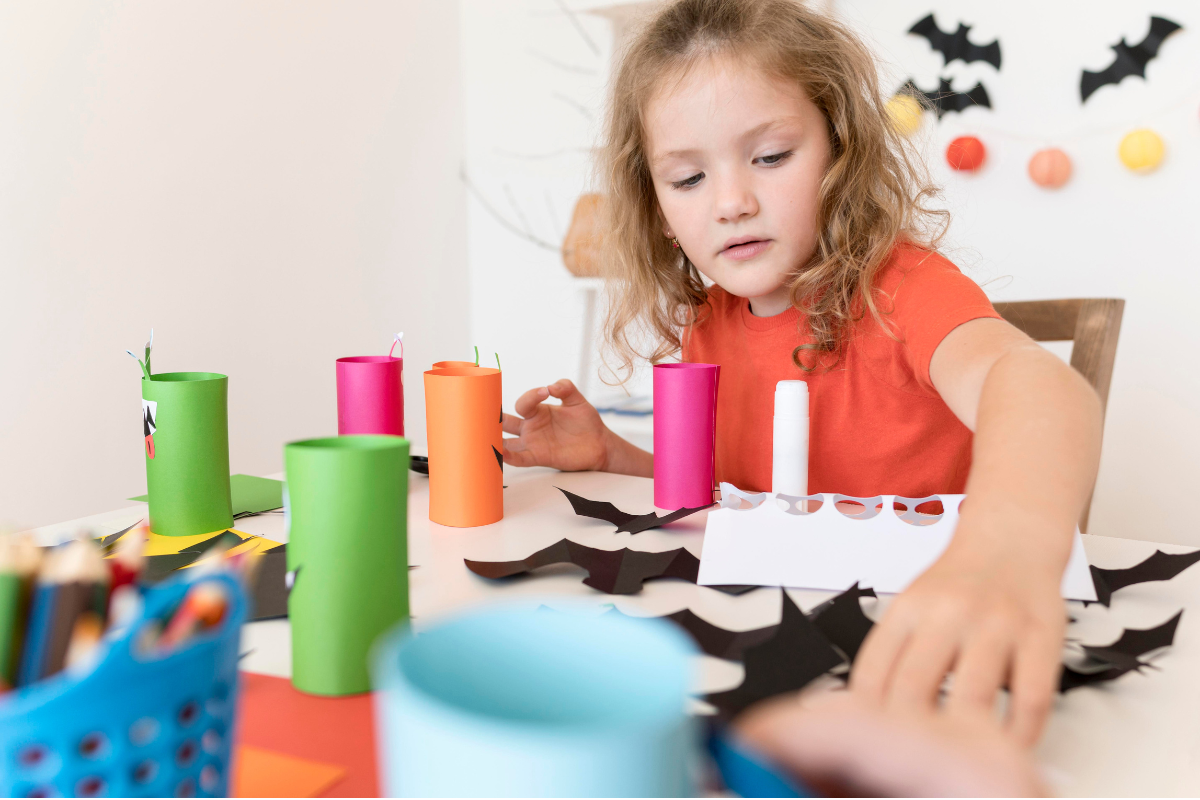
Play does a few specific jobs really well:
Builds vocabulary, because kids talk constantly while pretending
Strengthens fine motor skills through stacking, threading, pouring, and tearing
Teaching turn-taking and patience, the early roots of social skills
Helps regulate emotions, since pretend play lets kids try out big feelings safely
Lays the groundwork for reading, writing, and number sense
The catch is that adults often interrupt or over-direct play. The best thing a parent can do is set up the space, offer a few materials, and step back.
Play Based Learning Activities for Preschoolers You Can Try This Week
You don’t need fancy toys or a Pinterest-perfect playroom. A small basket of household items, a clear patch of floor, and twenty minutes of attention go a long way.
A few ideas worth trying:
Sorting tray. Give your child a bowl of mixed buttons, coins, or pasta shapes and a muffin tin. Ask them to sort by colour, size, or shape. Quiet, focused, surprisingly satisfying.
Pretend grocery store, set up empty packets and a basket, and let your child be the shopkeeper. Throw in some play money, and you’ve added early math.
Story stones, paint or draw simple pictures on flat pebbles, animals, weather, faces. Pull three out and ask your child to make up a story.
Obstacle course, cushions, chairs, masking tape on the floor. Crawling, jumping, and balancing all build gross motor skills.
Mystery bag, drop in a few familiar objects and have your child guess by touch alone. Great for vocabulary and sensory awareness.
Loved these ideas? Let’s bring them to life beyond the screen!
Discover Blueberry workbooks & box sets designed for joyful, hands-on learning.
🛒 Shop Now: https://hashtageducation.in/collections
Indoor Learning Activities for Toddlers Under Three
Indoor learning activities for toddlers need to be safer, shorter, and more sensory. Younger children explore through their mouths, hands, and feet, so the rule of thumb is big pieces, soft textures, and washable everything.
Some that work well:
Pouring water between cups at the kitchen sink with a towel underneath
Sticky wall art, blue tape sticky-side-out, with bits of paper to press on
Stacking cups, big bowls, or empty boxes
Naming body parts during nappy changes or bath time
Simple peekaboo with cloths over toys. This builds object permanence
Toddlers don’t need long sessions. Ten minutes of focused play, repeated through the day, beats one long stretch they can’t sustain.
Looking for a fun learning toy?
This DIY Mini Golf game keeps kids active, focused, and engaged without screens.
👉 Shop now: https://amzn.to/4wC56pD
Home Activities for Early Childhood Development That Build Real Skills
Home activities for early childhood development work best when they fit into your day instead of feeling like a separate “learning hour.” Cooking together teaches sequencing and measurement. Folding laundry teaches matching and categorisation. Watering plants teaches care and routine. None of this needs a curriculum.
A simple weekly rhythm helps:
One messy play day, paint, dough, water, sand
One quiet focus day, puzzles, books, sorting
One movement-heavy day, dance, obstacle course, garden play
One social day, a playdate, grandparents, a neighbour
Reading every single day, even just ten minutes
The variety matters more than the polish. Kids need different kinds of input across the week.
What to Avoid
Screens replace play; they don’t add to it for this age group. Worksheets given to a three-year-old often teach them that learning is boring before they’ve even started school. And the constant urge to teach during play, asking “What colour is this?” every two minutes, can break the very focus you’re trying to build.
Play based learning activities for preschoolers are powerful precisely because they don’t feel like school. Trust the process. Set up the materials. Let your child lead. The learning happens on its own, and it’s deeper than anything a flashcard could deliver.