
How to Teach Phonics to Preschooler: Fun & Easy Methods
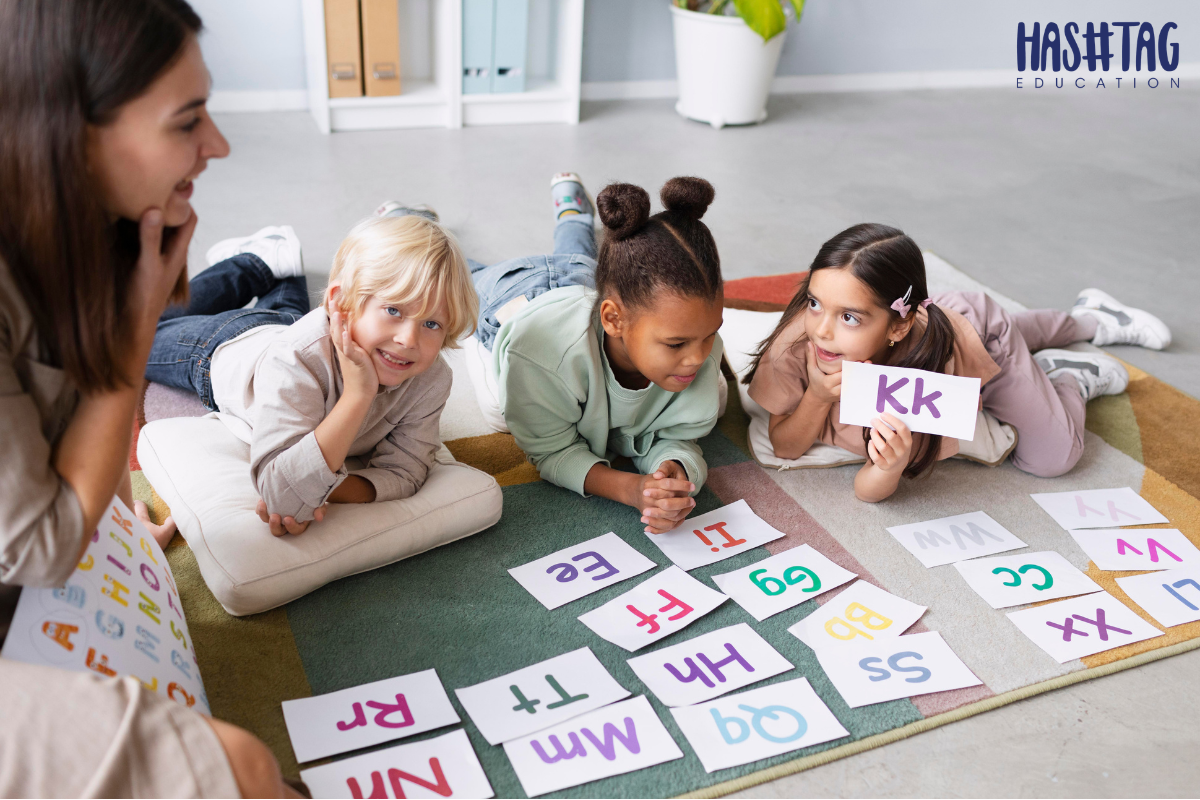
Simple and Fun Ways to Teach Phonics to Preschoolers How to Teach Phonics to Preschoolers doesn’t need to feel like a formal lesson. At this age, children learn best through play, stories, and everyday interactions. You’ll often notice them repeating sounds, enjoying rhymes, or pointing at letters; they are already exploring language in their own way. The key is to guide this natural curiosity. When phonics is introduced through fun and simple activities, children start connecting sounds with letters without even realizing they are learning. This early exposure builds a strong base for reading and writing later on. How to Teach Phonics to Preschoolers Step by Step When thinking about how to Teach Phonics to preschoolers, it helps to keep things simple and gradual. Children don’t need to read full words immediately; they just need to understand sounds first. Start with Listening to Sounds Before letters come into the picture, focus on sounds. Rhymes, songs, and clapping games help children hear patterns in words and recognize different sounds. Introduce Letter Sounds Naturally Instead of only teaching letter names, focus on the sound each letter makes. For example, saying “/m/” instead of “em” helps children understand how sounds work in real words. Connect Sounds with Letters Once children start recognizing sounds, show them how those sounds match with written letters. This step helps them see how spoken words turn into written ones. Try Simple Word Blending When children are comfortable with sounds, you can gently introduce blending. Words like “cat” or “sun” become easier when children learn to combine sounds slowly. Read Also: Fun Learning Activities at Home: Simple Ideas Kids Love Why How to Teach Phonics to Preschoolers Matters Understanding how to Teach Phonics to preschoolers is important because phonics is what helps children actually read, not just memorize words. It gives them the tools to break down unfamiliar words and figure them out on their own. Children who learn phonics early often feel more confident when they start school. They are better prepared to read, write, and understand new words. It also makes learning less stressful because they know how to approach new words step by step. Key Benefits: Helps children read new words independently Improves pronunciation and listening skills Builds confidence in early learning Strengthens vocabulary over time Supports overall language development Fun Ways to Teach Phonics to Preschoolers Phonics works best when it feels like play rather than learning. The more relaxed and enjoyable the activity, the more children stay interested. Use Rhymes and Songs Children love repetition, and rhymes naturally teach sound patterns. Songs make learning sounds feel effortless. Turn Learning into a Game Simple games like finding objects that start with a certain sound or matching letters with sounds keep children engaged. Read Together Daily Reading picture books aloud helps children hear sounds in context. Pointing to words while reading helps them connect sounds with letters. Add Actions to Sounds Using hand movements or gestures with sounds makes learning more interactive and easier to remember. Read Also: How to teach your child phonics Tips for Parents and Teachers Teaching phonics doesn’t require long lessons or strict methods. When thinking about how to Teach Phonics to preschoolers, consistency and patience matter more than perfection. Keep sessions short and enjoyable. Let children learn at their own pace, and celebrate little progress. Some days they may be more interested than others, and that’s completely normal. The goal is not to rush reading but to build a love for language. When children enjoy the process, learning happens naturally, and phonics becomes a fun part of their everyday world.
Fun Learning Activities at Home: Simple Ideas Kids Love
Simple and Fun Learning Activities at Home for Kids Fun Learning Activities at Home don’t have to be complicated or planned in advance. In fact, some of the best learning moments happen during simple, everyday play. When children are given the freedom to explore, create, and imagine, they naturally start learning without even realizing it. Whether it’s building something with blocks, drawing on paper, or playing pretend, these small activities help children grow in many ways. Learning at home becomes more meaningful when it feels like fun instead of a task. Why Fun Learning Activities at Home Matter Fun Learning Activities at Home are important because children learn best when they are relaxed and enjoying what they do. Play allows them to explore new ideas, try different things, and understand how the world works around them. When children are involved in these activities, they begin to think more creatively and solve problems on their own. They also become more confident in expressing their thoughts and ideas. Over time, these simple experiences build important skills that support both learning and personal growth. Key Benefits: Encourages creativity and imagination Helps children think and solve problems Builds confidence and independence Improves communication skills Strengthens parent-child bonding Read Also: Fine Motor Skills in Kids: Build Strong Hand Control Types of Fun Learning Activities at Home There are many Fun Learning Activities at Home that can be done without special materials. Most of them use things you already have around you. Creative Activities Drawing, painting, and simple craft work allow children to express their ideas freely. These activities also help improve hand control and focus. Puzzle and Thinking Games Simple puzzles, matching games, or memory activities help children develop logical thinking and concentration. Role Play and Storytelling Pretend play is one of the most powerful ways children learn. Acting out real-life situations or telling stories builds imagination and language skills. Outdoor and Nature Activities Spending time outside, collecting leaves, or observing nature helps children stay active and curious about their surroundings. Easy Ways to Create Fun Learning Activities at Home You don’t need expensive toys or a perfect setup to plan Fun Learning Activities at Home. What matters most is how you involve your child. Use What You Already Have Everyday items like boxes, paper, or kitchen tools can be turned into fun learning materials. Follow Your Child’s Interest Let children choose what they enjoy. When they are interested, they naturally stay engaged for longer. Keep It Simple Short and simple activities work better than long sessions. Children learn more when they are not overwhelmed. Let Them Explore Allow children to try things their own way. Mistakes are part of learning and help them grow. Read Also: Play-based learning activities for children aged 3 to 10 Role of Parents in Learning at Home Parents play a very important role in making Fun Learning Activities at Home meaningful. You don’t need to teach like a classroom teacher; just being present, encouraging, and involved is enough. Spending time together through play builds a strong bond and creates a positive learning environment. When children feel supported, they become more confident and willing to try new things. At the end of the day, it’s not about doing everything perfectly. It’s about creating small, joyful moments where children can learn, explore, and grow in their own way.
Fine Motor Skills in Kids: Build Strong Hand Control
Simple Ways to Improve Fine Motor Skills in Kids Fine Motor Skills in Kids refer to the ability to use small muscles in the hands and fingers for precise movements. These skills are essential for tasks like writing, drawing, eating, and dressing. When children regularly practice activities that support Fine Motor Skills in Kids, they become more comfortable handling everyday tasks on their own. It also improves hand-eye coordination, which is important for both academic learning and play. Over time, these skills help children stay focused, patient, and more confident in their abilities. Why How to Develop Fine Motor Skills in Kids Matters When we talk about how to Develop Fine Motor Skills in Kids, we are focusing on the small muscle movements in the hands and fingers. These skills are important for tasks like writing, drawing, eating, and even getting dressed. Children who regularly practice how to Develop Fine Motor Skills in Kids tend to become more confident in handling daily activities on their own. It also improves their hand-eye coordination, which is important for both academic tasks and play. Over time, these skills support better focus, patience, and overall development. Key Benefits of How to Develop Fine Motor Skills in Kids: Activities to Support How to Develop Fine Motor Skills in Kids The good news is that How to Develop Fine Motor Skills in Kids does not require complicated tools or structured lessons. Many activities can be easily included in daily routines. Read Also: Cognitive Development Activities for Kids: Powerful Boost Drawing and Coloring Giving children crayons, pencils, or markers helps them practice grip and control. Even simple scribbling plays an important role in development. Cutting and Craft Work Using child-safe scissors, pasting paper, and creating simple crafts strengthen finger muscles and coordination. Playdough and Clay Activities Squeezing, rolling, and shaping dough is one of the most effective ways to build hand strength while keeping children engaged. Picking and Sorting Small Objects Activities like picking beads, buttons, or small toys help improve precision and control over finger movements. Daily Life Practice Simple tasks like buttoning clothes, opening containers, or holding a spoon are practical ways to support How to Develop Fine Motor Skills in Kids. Easy Ways to Encourage How to Develop Fine Motor Skills in Kids You don’t need special materials to work on How to Develop Fine Motor Skills in Kids. Small changes in daily habits can make a big difference. Encourage Hands-On Activities Let children explore different materials and textures regularly. The more they use their hands, the better they learn. Make Practice Part of Daily Routine Include children in simple household tasks that require hand use, like arranging toys or helping with small chores. Be Patient and Supportive Every child develops at their own pace. Encouragement helps children stay motivated and confident. Keep It Fun and Stress-Free Learning should never feel forced. When activities are enjoyable, children naturally stay engaged and improve over time. Read Also: Babies need humans, not screens Role of Parents and Teachers Parents and teachers play a very important role in guiding how to Develop Fine Motor Skills in Kids. A supportive environment allows children to try, make mistakes, and learn without pressure. By regularly focusing on how to Develop Fine Motor Skills in Kids, adults can help children build essential skills that support both learning and independence. Even small, consistent efforts can create a strong foundation for a child’s future growth.
Cognitive Development Activities for Kids: Powerful Boost
Cognitive Development Activities for Kids begin in the simplest moments of a child’s daily life. When children ask questions, solve small problems, or explore their surroundings, they are actively building their thinking skills. These early experiences play a big role in how children learn, understand, and respond to the world around them. By introducing Cognitive Development Activities for Kids at an early stage, we help them develop memory, attention, and logical thinking in a natural and engaging way. Even simple activities like observing objects or answering questions can gradually strengthen a child’s ability to think independently. Why Cognitive Development Activities for Kids Matter Children’s brains develop very quickly in the early years, and this is when Cognitive Development Activities for Kids can make the biggest difference. These activities are not about formal lessons but about creating opportunities for children to think, observe, and explore freely. When children regularly engage in Cognitive Development Activities for Kids, they begin to develop curiosity and confidence. They learn how to recognize patterns, make connections, and solve simple problems independently. Over time, these skills build a strong foundation for academic learning as well as everyday decision-making. These activities also help children become more adaptable and better prepared to face new situations. Read Also: Playing with Your Child: 8 Powerful Educational Benefits of Shared Fun Key Benefits of Cognitive Development Activities for Kids: Types of Cognitive Development Activities for Kids There are many easy and effective Cognitive Development Activities for Kids that can be included in everyday routines. The best part is that children often see them as play rather than learning. Puzzle and Thinking Games Simple puzzles, matching cards, and problem-solving games help children think critically and improve their reasoning skills. Memory-Based Activities Activities like remembering objects, repeating patterns, or storytelling help strengthen memory and attention. Sorting and Grouping Grouping objects based on color, shape, or size helps children understand patterns and relationships. Question and Exploration Activities Encouraging children to ask “why” and “how” questions supports curiosity and deeper thinking. Read Also: Indoor games that support your child’s development Easy Ways to Encourage Cognitive Development Activities for Kids Supporting Cognitive Development Activities for Kids does not require special tools or complex plans. Small, consistent efforts can make a big difference. Encourage Curiosity Give children the freedom to ask questions and explore their surroundings without rushing to give answers. Use Play as Learning Games and playful interactions make Cognitive Development Activities for Kids more engaging and effective. Include Daily Life Activities Simple tasks like counting objects, arranging toys, or observing nature can strengthen thinking skills. Allow Independent Thinking Let children try solving problems on their own. This builds confidence and decision-making ability. Role of Parents and Teachers Parents and teachers play an important role in supporting Cognitive Development Activities for Kids. A positive and patient environment encourages children to think freely and try new ideas without fear of making mistakes. When adults actively engage with children through conversation, play, and simple guidance, it creates a strong learning experience. Regular involvement in Cognitive Development Activities for Kids helps children become more confident thinkers who are ready to explore and learn independently. Children also benefit from consistent encouragement and interaction. When parents and teachers participate in Cognitive Development Activities for Kids, it strengthens the child’s ability to focus, question, and understand new concepts. Over time, these small efforts help children develop strong thinking skills that support both learning and everyday life.

Creative Art Activities for Kids: Don’t Miss Fun Ideas
Creative Art Activities for Kids are often the simplest yet most meaningful way to support a child’s early development. It doesn’t always have to be structured learning, sometimes, a child with colors, paper, and a little freedom can learn more than expected. Whether it’s painting, doodling, or making small crafts, these moments allow children to explore their imagination in their own unique way. When children take part in Creative Art Activities for Kids, they are not just keeping themselves busy. They are learning how to think, make choices, and express their ideas. Over time, these small activities quietly build confidence, focus, and creativity, skills that stay with them for life. Why Creative Art Activities for Kids Matter Creative Art Activities for Kids play a much bigger role than we often realize. Children naturally enjoy creating things, and when they are given the space to do so, they start thinking more independently. There is no “right” or “wrong” in art, which makes it a safe space for children to experiment and learn without fear. Another important benefit of Creative Art Activities for Kids is emotional expression. Many young children cannot fully express their feelings in words, but through drawing or painting, they can show what they feel and think. At the same time, these activities support physical development. Simple actions like holding crayons, cutting paper, or brushing paint help improve hand strength and coordination, skills that are essential for writing later on. Read Also: 7 Powerful Ways Conscious Parenting Gently Shapes Discipline Key Benefits of Creative Art Activities for Kids: Types of Creative Art Activities for Kids There are plenty of Creative Art Activities for Kids that don’t require special materials or preparation. In fact, the best activities are often the simplest ones where children can explore freely. Painting and Coloring Activities Children naturally enjoy playing with colors. Whether it’s finger painting or using brushes, these activities help them understand colors, textures, and patterns in a fun way. Collage and Craft Work Using old newspapers, magazines, or colored paper, children can create their own designs. This not only boosts creativity but also teaches them how to use available resources in different ways. Nature-Based Art Taking art outdoors can be exciting. Leaves, flowers, and small stones can be turned into creative pieces, helping children connect with nature while learning. DIY and Household Art Projects Some of the most enjoyable Creative Art Activities for Kids happen using everyday items. Vegetable stamping, sponge painting, or using kitchen items for patterns can make art both fun and accessible. Easy Ways to Encourage Creative Art Activities for Kids You don’t need a perfect setup to support Creative Art Activities for Kids. What matters more is the environment you create for them. Let Children Explore Freely Instead of guiding every step, allow children to create in their own way. This builds independence and confidence. Use Everyday Moments Art doesn’t need a fixed time. A quick drawing after a story or a simple craft during playtime can be just as effective. Focus on Process, Not Perfection In Creative Art Activities for Kids, the experience matters more than the final result. Every scribble or color choice is part of learning. Encourage Storytelling Through Art When children talk about their drawings, they develop language skills along with creativity. Asking simple questions can make a big difference. Role of Parents and Teachers in Creative Learning Adults play an important role in shaping how children experience Creative Art Activities for Kids. Encouragement, appreciation, and patience go a long way in building a child’s confidence. When parents and teachers create a relaxed and supportive environment, children feel comfortable trying new things. Over time, this helps them enjoy Creative Art Activities for Kids not just as an activity, but as a natural part of learning and self-expression. Read Also: Art Activities for Kids to Do at Home
Understanding FAFO Parenting and How It Works for Families
FAFO parenting usually enters a parent’s life at a moment of quiet exhaustion. It’s that moment when you’ve reminded your child again to pack their homework. Or warned them again to carry a water bottle. You’ve explained calmly, you’ve repeated yourself kindly, and you’ve even negotiated. And still, the advice floats past them as if it never landed. Then something happens. They forget. They feel the consequence. And suddenly, that lesson sticks. FAFO parenting, short for “Fool Around and Find Out,” comes from this very real place. The phrase may sound harsh, but the idea behind it is surprisingly gentle. It’s based on a simple truth many parents arrive at on their own: children often learn more from safe experiences than from endless reminders Where FAFO Parenting Comes From FAFO parenting didn’t come from a parenting manual or a formal theory. It grew out of lived experience, out of tired evenings, repeated conversations, and parents realising that words alone don’t always work. Many families noticed a pattern. Advice was forgotten. Warnings were ignored. But one lived experience changed behaviour more effectively than ten explanations. A child who ignores reminders to carry a jacket feels cold later.A child who forgets their homework has to explain it to the teacher.A toy left outside gets damaged by rain. FAFO parenting gives space for these moments to teach without shame, without anger, and without the need for “I told you so.” It trusts experience as a teacher and believes children are capable of learning when they feel supported rather than controlled. How FAFO Parenting Actually Works At its heart, FAFO parenting is calm, intentional, and thoughtful. First, safety always comes first.Anything dangerous, irreversible, or harmful is never allowed. Second, the parent explains once.The situation is explained clearly, in age-appropriate language, without lecturing. Third, the parent steps back.If the child chooses not to act on the information, the natural consequence is allowed to happen. The parent stays present, emotionally available, and calm but does not rescue, scold, or punish. The lesson comes from life itself, not from anger or fear. What FAFO Parenting Is Not FAFO parenting is often misunderstood because of its name. It is not harsh discipline.It is not public embarrassment.It is not emotional withdrawal.And it is never about letting children get hurt. Allowing a child to touch a hot stove is not FAFO parenting; that is unsafe. Ignoring a child’s emotional response after a mistake is also not FAFO parenting. FAFO parenting works only when consequences are: Mild Reversible Age-appropriate Emotionally safe The purpose is learning, not suffering. Why Some Parents Are Drawn to FAFO Parenting Many parents find relief in FAFO parenting because it reduces daily power struggles. Instead of constantly correcting, reminding, or enforcing, parents step back and let real life do the teaching. This shift often lowers tension in the home. FAFO parenting can help children develop: Cause-and-effect thinking Responsibility for their choices Internal motivation Better decision-making skills Children begin to connect actions with outcomes on their own. They feel respected rather than controlled, and that sense of respect often leads to better cooperation over time. How FAFO Parenting Encourages Independence As children grow, they need opportunities to make decisions and experience outcomes within safe limits. FAFO parenting creates those opportunities. By allowing small consequences, parents communicate trust. They say, without words, “I believe you can learn from this.” When used thoughtfully, FAFO parenting can help children: Take ownership of responsibilities Think ahead Reflect on choices Build confidence The goal is not obedience. It is awareness. Where FAFO Parenting Can Fall Short FAFO parenting is not a one-size-fits-all approach. Some children, especially those who are anxious or highly sensitive, may feel overwhelmed by consequences. Neurodivergent children may not always link cause and effect in expected ways. Context also matters. A missed assignment may teach responsibility, but it could also impact grades or self-esteem if handled without care. Without emotional support, FAFO parenting can feel distant or cold. Silence alone is not guidance. Using FAFO Parenting With Care and Balance The most effective version of FAFO parenting includes reflection. After the consequence, a short, calm conversation helps close the learning loop: What happened Why it happened What could be done differently next time There is no sarcasm. No blame. No shame. FAFO parenting works best when paired with: Warmth Clear boundaries Emotional availability Sensitivity to the child’s temperament It is a tool, not a rigid rulebook. FAFO Parenting in Today’s Family Life In a world filled with parenting advice, social comparison, and constant pressure, FAFO parenting appeals because it feels realistic. It doesn’t promise perfect children.It doesn’t rely on fear or control.It doesn’t require endless explanations. Instead, it encourages parents to step back slightly, trust the process, and allow learning to unfold while staying emotionally present. Read Also: Teachers Using AI to Reduce Workload and Boost Creativity A Thoughtful Way Forward FAFO parenting is not about doing less parenting. It is about doing parenting differently. When used with care, it can help children grow into thoughtful, responsible individuals who understand that choices matter. Like all parenting approaches, FAFO parenting works best when adapted, not followed blindly. Every child is different. Every family context matters. What matters most is intention: raising children who learn, grow, and feel supported as they figure things out. Read Also: Arts in Education Build Life Skills and Values Under NEP 2020 Disclaimer This article is for general informational purposes only. Parenting approaches affect children differently based on age, temperament, and health needs. FAFO parenting should never involve unsafe situations or emotional harm. For individual concerns, consult a qualified child health or mental health professional.

Degree Employability Gap: Shocking Yet Critical Reality India Must Fix
Degree Employability Gap: Why Graduates Feel Unprepared for Real Work The degree employability gap doesn’t show up on graduation day. It arrives later, quietly and unannounced, after the celebrations are over and reality begins asking questions that college never prepared students to answer. It shows up when a graduate opens a job portal for the tenth time in a day.When interviews feel unfamiliar despite years of study.When confidence begins to slip, not because of failure, but because of uncertainty. For millions of young people in India, education was meant to be a bridge to independence and stability. Instead, many find themselves standing at the edge of that bridge, unsure how to cross. The degree employability gap is not about lack of ambition; it is about misalignment between education and real life. When Graduation Feels Like A Pause, Not A Start Every year, India produces one of the largest numbers of graduates in the world. Degrees are awarded in record numbers, and institutions continue to expand. From the outside, the system appears successful. But for many students, life after graduation feels unexpectedly still. They followed the rules, completed their courses, and did everything expected of them. Yet something feels incomplete. This is where the degree employability gap becomes visible. Students realize that completing education is not the same as being prepared for life beyond it. They know what they studied, but they don’t know how to apply it. The Gap Between Learning And Living In classrooms, learning is structured. There are clear instructions, predictable outcomes, and defined expectations. Success is measurable through exams and grades. Workplaces, however, operate differently. Problems are unpredictable. Solutions are rarely clear. Feedback is direct. Collaboration is complex. The degree employability gap exists because students often encounter this reality only after graduation. By then, the transition feels overwhelming. Education teaches how to pass exams, but not always how to navigate uncertainty. 👉 If you found this helpful, explore our books designed to build real-world skills and confidence.🛒 Shop Now: https://hashtageducation.in/collections What The Data Confirms Industry research has consistently shown that a significant portion of graduates in India are not fully employable in their chosen fields. While institutions continue to evolve, alignment with industry needs remains partial. Some courses are updated. Some students gain exposure through internships. But employability is rarely built into the system as a core outcome. This inconsistency is what widens the degree of the employability gap. Readiness becomes dependent on access and opportunity rather than being guaranteed through education. What Students Say They Missed When graduates reflect on their experiences, their concerns are rarely about difficulty. Instead, they talk about unfamiliarity. They often say: “I didn’t know how to think on my feet.” “Feedback felt different outside exams.” “I had never worked without a clear answer.” “Teamwork was harder than studying.” These are not advanced challenges; they are basic workplace expectations. The degree of the employability gap grows when students are not exposed to these realities early. Why Classrooms Still Feel Disconnected One of the biggest reasons the degree employability gap persists is the disconnect between academic environments and real-world workspaces. In many institutions: Industry professionals rarely engage with students Curricula update slowly compared to job roles Practical certifications are optional Soft skills are discussed but not practiced Students learn about work, but not through work. Institutions speak about employability, while employers focus on readiness. Students are left navigating the gap between the two. The Emotional Cost Of The Gap The degree employability gap is not just a structural issue; it has emotional consequences. Graduates often internalize the gap as a personal failure. Confidence begins to decline. Self-doubt replaces ambition. Career decisions become reactive rather than intentional. Many accept roles far below their capability, not due to lack of talent, but due to lack of exposure. When education fails to build confidence, the impact goes beyond employment; it affects identity and self-belief. Why Parents Are Concerned Parents are increasingly aware of the degree of the employability gap. Where degrees were once seen as security, they are now viewed with uncertainty. Questions have shifted: Will this education lead to real opportunities? Will my child feel confident in the workplace? Is learning preparing them for life or just exams? The gap has transformed education into a matter of trust. Nep 2020 And The Need For Execution India’s National Education Policy (NEP) 2020 recognized the degree of the employability gap and proposed solutions like experiential learning, internships, and industry collaboration. However, implementation remains uneven. Some institutions adopt reforms, while others continue traditional practices. As a result, students experience change inconsistently. The vision exists, but execution must follow to truly close the degree of employability gap. Why Short-Term Fixes Are Not Enough Many institutions attempt to address the degree of employability gap through add-ons such as: Resume workshops Guest lectures Placement training While helpful, these are not enough. Employability cannot be treated as an additional skill; it must be integrated into the learning process from the beginning. When readiness is optional, inequality increases. From Degrees to Real Capability Closing the degree employability gap requires a shift from degree-focused education to capability-based learning. This means: Introducing real-world exposure early Embedding internships into curricula Assessing problem-solving skills Building long-term industry partnerships Education must evolve from knowledge delivery to skill development. What Employers Actually Value Despite rapid changes in industries, employer expectations remain consistent. They seek individuals who can: Adapt quickly Communicate clearly Solve problems Collaborate effectively Learn continuously These are human skills, yet they are rarely measured in traditional education. The degree employability gap exists because academic systems reward certainty, while workplaces reward adaptability. Read Also: Children learn best when they’re taught in their mother tongue The Broader Economic Impact At a national level, the degree of the employability gap affects productivity and growth. When graduates require retraining: Hiring slows down Businesses struggle to scale Skill shortages continue Bridging this gap is not just an educational reform; it is an economic necessity. Why Closing The Degree Employability Gap Matters
Wise Decision: 7 Powerful Ways to Help Kids Make Better Choices
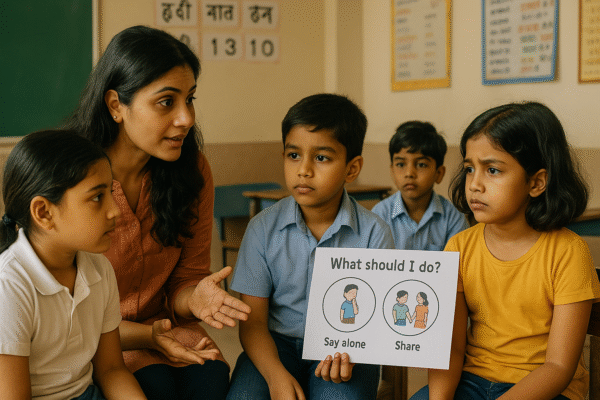
As adults, we are accustomed to helping kids navigate a world that sometimes seems too vast, too quick, and too complicated. Our natural tendency is to defend them by intervening and telling them to “do this, not that.” However, if we want to raise self-assured, considerate, and independent children, it could be wiser to educate them how to make their own decisions rather than instructing them what to do. Making wise decisions is similar to having a muscle. Every time a youngster uses it, it changes and gets stronger.Creating a secure space for kids to practise this skill where they may make decisions, experience the consequences of their decisions, and reflect on them is the secret for parents and educators. We may encourage such type of learning in the following ways: 1. Start Small: Everyday Choices Matter We don’t require grand moral dilemmas to teach decision-making; actually, it begins with the smallest and most ordinary choices. Allow them to wear anything they want, even if it’s polka-dot stripes. Let them choose whether to do the puzzle or go outside and play. Children learn about cause and consequence via these tiny choices. Youngsters discover that their decisions have repercussions, which may be both enjoyable and stressful, but they are always their own.A youngster learns more from their shiver than from your admonition when they wear shorts on a chilly day.The goal is to increase awareness rather than prevent errors.That knowledge eventually turns into accountability. 2. Use Curiosity Rather Than Instructions Try asking open-ended questions rather than offering clear instructions like This method encourages introspection rather than compliance. It helps kids to think things through, consider others, assess the dangers, and accept responsibility for their decisions. In this sense, it moves the emphasis from satisfying adults to comprehending the world. 3. Model the thinking process aloud Children need to hear our thoughts, but they learn far more from our actions than from our words. Explain your decision-making process. For example: It’s overcast, but we can go to the park now. Perhaps the sun will come out if we wait another hour. What is your thoughts? You’re showing them that decisions are not black and white, but about trade-offs and possibilities and consideration. This kind of modelling takes that abstract idea of “good judgement” and makes it tangible, real. 4. Let Natural Consequences Be the Teacher One may always take a step back and let a youngster experience a natural outcome of a decision, unless they are in danger. Did they become thirsty since they forgot their water bottle?That’s uncomfortable, but it teaches responsibility far more effectively than does a lecture. Children are incredibly capable of learning from real experiences provided we don’t rush in to rescue or scold them. It is our responsibility to offer empathy rather than ways out. Kind remarks such as “That must have been difficult.” What could you do differently the next time?Encourage them to think without feeling guilty. 5. Promote Decisions Based on Empathy Making judgements involves more than just reasoning; they also include empathy and compassion. When kids learn how their decisions affect other people, they grow more socially conscious and caring. You can foster this by being honest about your emotions.When they grab a toy from a buddy, instead of telling them, “That’s wrong,” try: “What do you think your friend is feeling right now based on the look on their face?” Children eventually start making thoughtful decisions because they want to, not because they have to, and empathy helps transform external norms into internal values. 6. Permit a Safe Space to Fail One of the hardest things for parents is witnessing their children make “bad” choices. But rather than being the opposite of success, failure is a part of it. When children are raised in a home or setting where mistakes are tolerated without condemnation, they are motivated to keep trying. Instead of correcting them when something doesn’t work out, sit with them in contemplation. Enquire: “What did you discover?” What would you strive to do differently the next time? The objective is to demonstrate that one can endure the discomfort rather than to alleviate it. Children become more resilient when they see that mistakes do not define them but rather aid in their development. 7. Give Options Rather Than Control One effective tactic for empowering children is structured independence. This approach provides guidance while encouraging independence. When a youngster feels trusted, they are more inclined to cooperate than when they are given instructions. 8. Honour the Process Rather Than Just the Result We unintentionally promote kids to shun risk when we only commend “good” outcomes. Rather, commend the procedure: This shifts the emphasis from being right to thinking well. It reinforces that the ability to make decisions is an evolving skill, not a one-time test.This shifts the emphasis from being right to thinking well. It reinforces that the ability to make decisions is an evolving skill, not a one-time test. 9. Reflection of Practice Together Reflection is where decision-making wisdom really takes shape. Make it a ritual for the family or classroom, perhaps at bedtime or at the end of the week.Ask questions like: “What’s one good decision you made today?” “Was there something you’d do differently?” This gentle habit makes self-evaluation second nature. The children learn to stop themselves and think before reacting-a helpful skill for a lifetime. 10. Be patient as your child learns to make each wise decision Developing a mentality that will endure a lifetime is more important than having the ideal behaviour today. Even while you might not see the outcome right away, every second you spend listening, asking questions, and allowing yourself to make your own decisions creates an invisible foundation. Youngsters who are trusted to make decisions develop into self-assured adults. They learn to strike a balance between empathy and reasoning, intuition and reason. Above all, though, kids have an internal compass that keeps them on course long after we quit holding their hands.

6 Powerful Skills Every Child Needs to Become Future-Ready, Not Just Academics
Powerful Skills, not good grades alone, are no longer a guarantee of success in the rapidly evolving world of today.Academics provide a vital foundation, but children require much more to truly grow. To create future citizens who are confident, capable, and compassionate, we need to cultivate a range of abilities outside of the classroom. This is what it means to raise future-oriented children: those who have the imagination, versatility, fortitude, and mindset required to face life’s obstacles head-on. Why Leave Academics Behind? Traditional education focuses on information facts, calculations, and tests is the main focus of traditional education. However, the society that youngsters are growing up in in the twenty-first century requires more than memorisation. They have to have the capacity for critical thought, problem-solving, open discourse, and lifelong learning. The goal of 21st-century skills is to prepare kids for life in general, not simply for school. It’s about giving learners the abilities they need to enquire, create, cooperate, & adapt skills that will be useful regardless of how the world changes. Essential Competencies for Every Child Let’s examine six crucial life skills that every youngster should acquire in order to prepare for the future. Every day, both at home and at school, as well as via significant real-world experiences, each may be fostered. 1. Problem-Solving and Critical Thinking The skill of critical thinking involves posing queries, investigating many viewpoints, and coming up with original answers. Children who solve problems are better able to remain composed, self-assured, and inquisitive when faced with obstacles. How to cultivate it: 2. Innovation & Creativity Creativity is the one ability that robots cannot replace in a world when automation and technology rule the day. It gives kids the opportunity to dream, create, and innovate skills that are crucial for future leaders, scientists, artists, and business owners. How to cultivate it: 3. Cooperation & Communication In today’s interconnected world, the capacity to communicate ideas clearly as well as to listen and collaborate effectively with others is essential. While collaboration fosters respect and teamwork, communication increases self-assurance. How to cultivate it: 4. Media and Digital Literacy These days, technology is a part of every child’s world. Teaching them digital literacy enables them to use it responsibly, not only for content consumption but also for safe creation, exploration, and learning. How to cultivate it: 5. Self-Control, Flexibility, and Initiative Adaptability, the capacity to maintain composure and concentration in the face of change will be necessary in the future. Lifelong independence is developed by teaching kids how to control their emotions, take initiative, and maintain organisation. How to cultivate it: 6. Empathy & Global Awareness Children need to learn to think globally, act empathetically, and value diversity in an interconnected world. While global awareness enables individuals to perceive their role in the wider globe, empathy enables them to comprehend the viewpoints of others. How to cultivate it: How Teachers and Parents Can Work Together to Nurture Powerful Skills for the Future 1. Change your perspective from “grades” to “growth.” Give credit for effort, interest, and advancement rather than merely flawless outcomes. This fosters a passion of learning and intrinsic motivation. 2. Make Learning Out of Everyday Life. Everyday activities, such as cooking, gardening, shopping, and travelling, are effective methods to teach responsibility, teamwork, numeracy, and creativity. 3. Promote learning through projects. Allow kids to plan their own projects, whether they are building, writing, researching, or creating. Several 21st-century abilities are combined in these events. 4. Allow for errors. Failure is a necessary component of success, not its antithesis. Allow them to attempt new things, make mistakes, and try again without worrying about being judged. 5. Set a good example. Youngsters mimic what they observe. Children instinctively imitate the curiosity, flexibility, and generosity of adults. Using 21st-Century Skills in the Classroom Academics and practical skills are combined in a true 21st-century education. A future-ready mentality is built on the “4Cs”: Critical Thinking, Creativity, Dialogue, and Collaboration. The image is complete when digital literacy, flexibility, and empathy are included. Children become wiser and smarter when households and schools collaborate to foster these traits, preparing them for a future in which learning, unlearning, and relearning will be ongoing. Concluding Remarks Our children will inherit a world that is both unexpected and full with opportunities. We must foster brains that are capable of critical thought, rapid adaptation, and compassion if we want them to flourish. We create future-ready children by fostering curiosity, creativity, self-assurance, and compassion. These children are not only excellent scholars but also intelligent, capable, and compassionate people who are prepared to take the lead in the world. Let’s prepare our kids for life as well as tests.

6 Essential Truths Parents Must Know About AI in Classrooms
AI in classrooms is quickly transforming how our children learn, and schools are evolving right along with it. From smart learning apps to homework help chat bots, AI is entering the classroom across the world. For parents, this might be a bit exciting and a bit scary. What’s AI doing in schools, anyway? How is it affecting our children’s education? And how do we make sure that it’s being used rightly? Let’s demystify it together: 1. The new classroom reality 1. Artificial intelligence is no longer science fiction, it’s becoming an integral part of normal teaching in subtle ways. Teachers are employing AI tech to plan lessons, grade homework, and even monitor students’ learning. 2. Throughout schools around the world, these developments are part of a new global trend towards personalised schooling where learning isn’t cookie-cut, but rather tailor-made to the strengths, speed, and requirements of every child 3. Imagine your child working with an app that senses when they’re stuck on a math question and gives them a extra clue or on an English course that reads them their essay and suggests improved wording. That’s AI in action. It is not about replacing teachers it is about enabling them to focus more time on the human part of teaching: imagination, curiosity, and support of a personal kind. 2. The bright side: how AI in classrooms can help children learn Applied wisely, AI can make learning more captivating, inclusive, and effective. Here’s how: For parents, that means more opportunities for kids to be heard, motivated, and confident in what they are learning. 3. But let’s be honest: there are concerns too Such as all technologies, AI includes issues and risks that parents need to know about. Privacy counts: AI applications tend to harvest information the way a child learns, where they get stuck, even how long it takes them to complete a task. Parents are well within their rights to demand answers from schools: What’s being gathered? Who gets to look at it? How is it safeguarded? Not every student is treated equally. While some schools in wealthier neighbourhoods may have state-of-the-art technology, others may not. If the discrepancy is ignored, the inequality may worsen. Too much screen time: Although AI can be engaging, too much screen time remains bad. Balance is important children need to see the world, too. Human touch can’t be replaced: No matter how “smart” an app is, it will never substitute for a teacher’s compassion, sense of humor, or worry. Learning is emotional and social, not just intellectual. Authenticity and integrity: AI generative tools (like essay-grinders) can entice children into shortcuts. Parents and educators must show them how to use AI with responsibility as an aid, and not a replacement for effort. AI is a tool capable, to be sure, but only if used mindfully and responsibly. 4. What parents can do immediately You don’t have to be a computer whiz to remain engaged. Here’s how to take the lead: Start a conversation by enquiring about your child’s use of technology at school. Do they enjoy it? Does it simplify or complicate learning? Hearing out your child helps you identify both advantages and disadvantages. 5. The road ahead: schools of the future We’re still at the beginning of the AI-in-education story, but a few clear trends are emerging: It’s not about digitizing classrooms it’s about making learning more human, with the help of technology that actually understands and accommodates each child. 6. At the end of the day, it’s about balance AI in classrooms is not something to be afraid of it’s something to get. It has the potential to be an amazing partner for teachers and students when supported by solid values and careful decisions. As parents, our responsibility is to remain curious, ask questions, and continue reminding our kids that technology exists to serve them not the reverse. If teachers, schools, and families collaborate, AI has the potential to usher in a more personal, more inclusive, and more inspired type of education one in which every child learns not only alongside machines, but with purpose.