
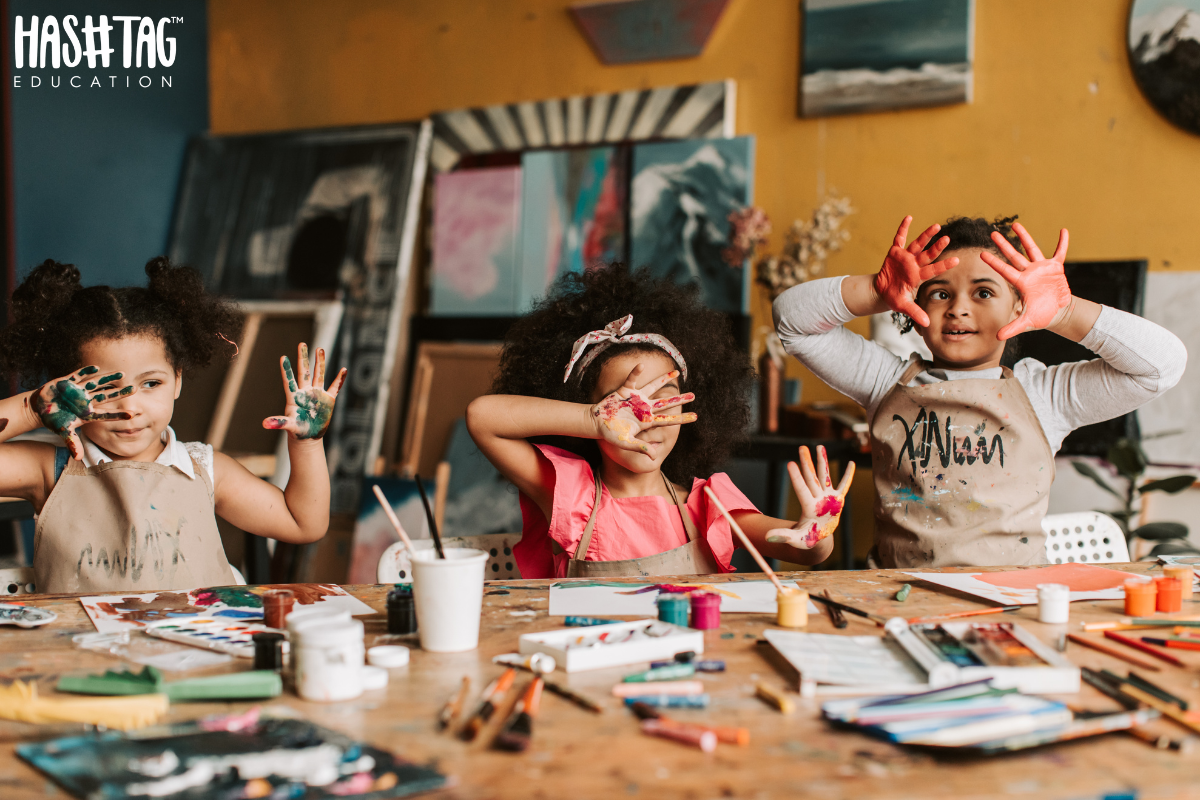
Creative Art Activities for Children That Spark Joyful Learning
Creative Art Activities for Children That Build Creativity and Confidence Creative art activities for children are perhaps the best means through which to foster learning at an early stage, in an enjoyable manner. Children are innately drawn to artistic expression, whether by way of drawing, painting, or other activities of the sort, which enable them to freely express themselves. For parents who typically stress the importance of academic learning, it is essential to understand that such creative art activities offer more than just entertainment. Not only do they foster creativity and attention, but they also enable skill development. The greatest advantage of such activities is that they are easy and inexpensive to organise, as basic supplies such as paper, colours, and household objects will suffice. Why Creative Art Activities for Children Are Important Creative art activities greatly contribute to the comprehensive development of their personality. Such activities foster creativity, critical thinking, and personal problem-solving among children. When children engage in creative art activities for children, they: Improve fine motor skills Build confidence Express emotions Develop focus and patience What is more important is that engaging kids in artistic pursuits makes learning fun, which keeps kids curious. Easy Creative Art Activities for Children at Home Here are some simple and fun creative art activities for children you can try at home: 1. Finger Painting Fun One of the most fun art activities for kids is finger painting. Allow your child to experience various colors through the use of their hands. This activity enhances sensory development and creativity. 2. Paper Tearing and Pasting Provide your child with some colored paper to cut and glue into various designs. These creative activities for children are useful in building finger muscles and increasing coordination. Loved these ideas? Let’s bring them to life beyond the screen!Discover Blueberry workbooks & box sets designed for joyful, hands-on learning.🛒 Shop Now: https://hashtageducation.in/collections 3. Leaf Printing Art Gather leaves and make prints using them by using the paint. This is the most creative art activity for kids as they get connected with nature while doing this. 4. DIY Craft with Waste Materials Old newspapers, boxes, or bottles can be used to make art. Children’s Creative Activities help develop creativity and sustainability. 5. Colour Sorting Collage Ask your child to create a collage using one colour theme. This activity makes creative activities both fun and educational. 6. Clay and Playdough Art Let your child shape clay into different forms. These creative activities improve hand strength and imagination. 7. Drawing and Free Sketching Give your child time to draw freely without correction. These creative art activities for children help them express their ideas confidently. 8. Handprint and Footprint Art Create animals or shapes using handprints. These creative activities are fun and memorable. 9. Sticker Art and Decoration Use stickers to create patterns or decorate drawings. These creative activities for children improve precision and focus. 10. Chalk Drawing Outdoors Use chalk on the floor or wall to draw big shapes. These creative activities build confidence and motor skills. How Creative Art Activities for Children Support Learning Creative activities for children are not just about fun; they also support learning in many ways. Through these activities, children learn: Colours and shapes Patterns and design Problem-solving skills Communication and expression Regular creative activities help children develop both academically and emotionally. Tips to Make Creative Art Activities for Children More Effective To get the best results from creative art activities, keep these tips in mind: Let children explore freely without correction Focus on effort, not perfection Keep activities simple and fun Provide safe and age-appropriate materials Encourage creativity and imagination When children feel free, creative activities become more meaningful. Read Also: Art and creative poster competition for schools “Who is my hero?” Common Mistakes to Avoid in Creative Art Activities for Children While doing creative art activities for children, avoid: Over-guiding or correcting Expecting perfect results Using complicated setups Limiting creativity Remember, the goal of creative art activities for children is exploration, not perfection. Conclusion of Creative Art Activities for Kids Creative art activities for kids are one of the easiest ways to make sure that you are helping your child develop. Such activities can boost your child’s creativity and improve his/her abilities. It all comes down to the fact that there is no need for complicated equipment, but rather for imagination and dedication. When kids do something that they really like, they learn in a natural way. That’s the whole point of creative art activities for kids. Do You Practice Creative Art Activities for Kids in Your Everyday Life?
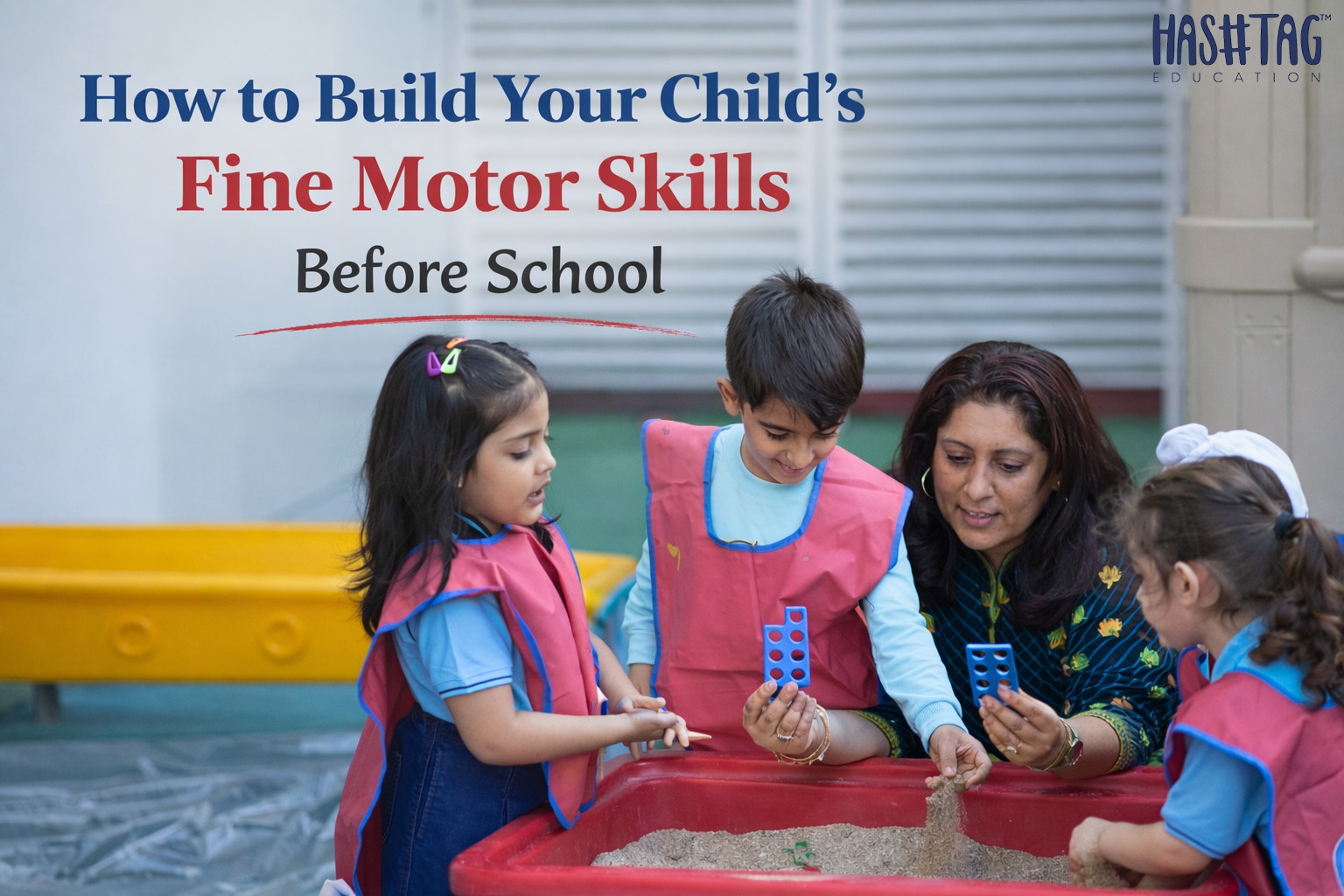
How to Build Your Child’s Fine Motor Skills Before School
Fine Motor Skills for Kids: Build Strong Hands Before School Starts Writing is not the beginning of developing fine motor skills. Children need to perform many smaller actions with their hands even before they start writing. For example, grabbing little objects, playing with clay, or turning book pages. All those small actions help develop the muscles necessary for writing. The earlier kids have good fine motor skills before entering kindergarten, the easier it will be for them to write, and they won’t struggle with that anymore. What are Fine Motor Skills? First, it is essential to understand what fine motor skills are. Fine motor skills include all hand movements, such as holding a spoon, putting on a sweater, or writing letters using a pencil. It is necessary to distinguish between gross motor skills and fine motor skills. Gross motor skills include larger movements like running, jumping, or climbing. The development period for fine motor skills falls between 1 and 6 years, but the key period is 2-5 years. Why It Matters For School Readiness If a child is starting school but has insufficient fine motor skills development, the child will have problems with writing, easily tire while writing, produce poor writing, and become demotivated. Educators have repeatedly noted that the primary difference between a school-ready and non-school-ready child is not in alphabet knowledge but in the ability to write easily. Age-by-Age Fine Motor Skills Development Ages 1–2: Establishing a foundation. This period is dedicated to learning how to grasp, release, and transfer objects from one hand to another. Activities: stacking 2–3 blocks, picking up small foods (Cheerios, peas) using a pincer grip, turning pages of board books, and scribbling with thick crayons. Ages 2–3: Developing strength in hands. At this point, your child is ready to perform more intricate activities. Activities: tearing paper into strips (fosters finger muscle strength), squishing and rolling playdough, finger painting with thick paints, and using our Dino English Workbook for finger tracing exercises. Loved these ideas? Let’s bring them to life beyond the screen!Discover Blueberry workbooks & box sets designed for joyful, hands-on learning.🛒 Shop Now: https://hashtageducation.in/collections Age 3-4: Controlling actions. Accuracy is achieved. Tasks: cutting along thick lines using child-safe scissors; colouring inside large lines; tracing dotted lines and simple shapes; using tweezers to grasp tiny items; assembling with smaller blocks and construction kits. We feature our Blueberry Level B books, which offer tracing and handwriting exercises suitable for this age group. Age 4-5: Preparing to write. Fine motor skills have become refined enough to form letters properly. Tasks: Forming letters correctly (start at the top); colouring inside small lines; cutting out complicated shapes; engaging in elaborate arts and crafts projects using glue and small components; working with our Blueberry Level C books, which include cursive letter patterns. Gradations in the Grasp of the pencil Don’t rush the child into using a mature grasp of the pencil. The development of pencil grasp proceeds gradually through different stages. 1-2 years old: fisted grasp (the whole hand is clenched around the pencil). It’s perfectly natural and acceptable. 2-3 years old: digital pronate grasp (finger posture, movements from the shoulder and elbow joints); don’t interfere in any way. Read Also: 10 Fun Learning Activities for 2-Year-Olds You Can Do at Home 3-4 years old: four-finger grasp (with four fingers plus a thumb); approaching the mature grasp position. 4-5 years old: tripod grasp (thumb plus two fingers); mature pencil grasp. Triangular pencils and special grips may facilitate this transition. 5 daily activites of develop fine motor skills without using any specific appliances Buttoning and unbuttoning clothes while getting dressed. Opening and shutting containers and jars. Pulling off stickers and sticking them carefully. Squeezing water out of a sponge while bathing. Using a child-friendly knife to spread butter or jam on bread. What should raise alarm signals? While each kid progresses differently, if your three-year-old cannot grasp a crayon, does not seem to have an interest in sketching or doodling, finds it difficult to grab tiny items, or shuns tasks involving the hands, then you should visit a paediatric occupational therapist for professional advice. Read Also: Activity ideas for playing and learning with your children Frequently asked questions Q: At what age should I expect my child to grasp a pencil correctly? A: The proper tripod grasp (thumb, index, and middle fingers) usually emerges around the ages of 4 to 5 years. Before that age range, less mature grasps are entirely typical and should not be pushed. Q: Does excessive tablet usage impact fine motor development? A: Yes. Swiping and pressing buttons require a completely different set of muscle groups compared to grasping, pinching, and writing. Children who spend too much time using tablets exhibit weaker hand control when entering school. Q: Which workbooks help develop fine motor skills? A: Choose workbooks that offer tracing exercises starting from basic straight lines to advanced shapes and letter forms. Our Blueberry series features precisely such a developmental progression at all three levels.
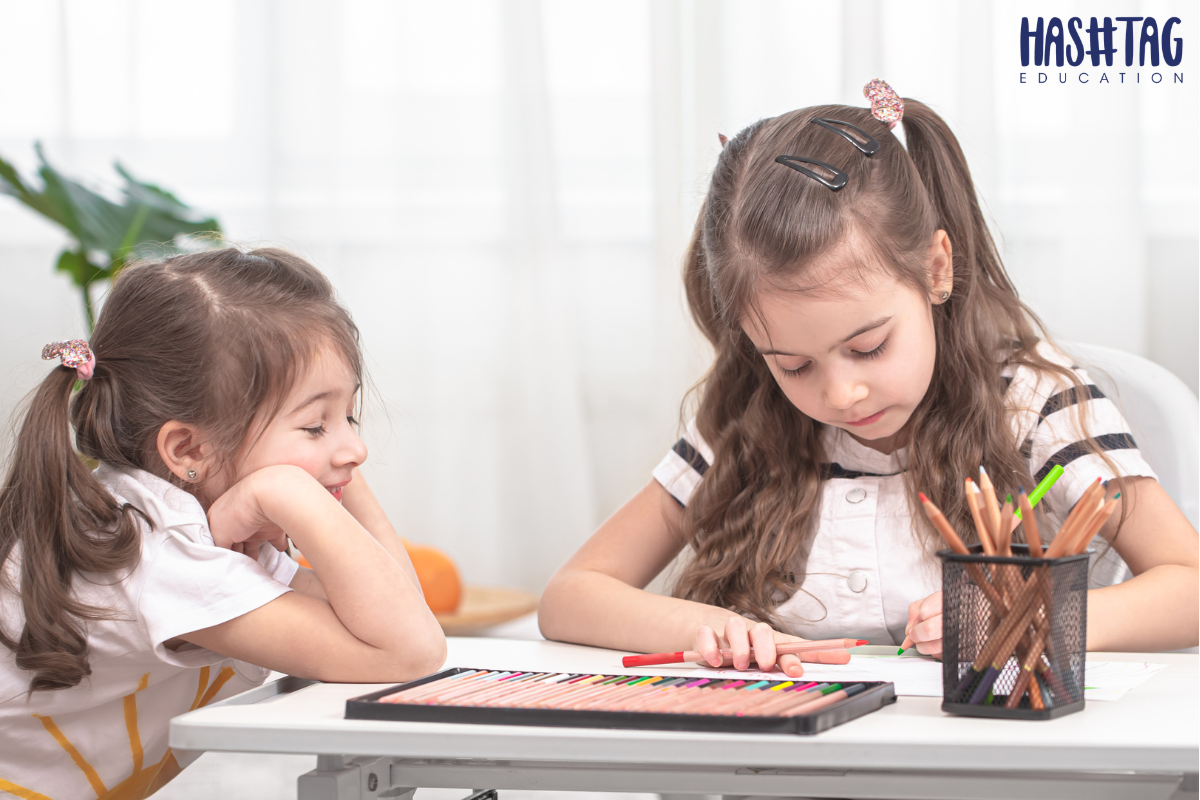
10 Fun Learning Activities for 2-Year-Olds at Home Now
10 Fun Learning Activities for 2-Year-Olds You Can Try at Home 10 Fun Learning Activities for 2-year-olds do not have to be difficult or require expensive materials. At this age, children are naturally curious and love to explore everything around them. The best way to support their growth is through fun learning activities that feel like play rather than structured learning. Simple tasks like sorting colours, playing with water, or exploring textures help build important skills like coordination, attention, and early thinking. With just a little time and everyday household items, you can create a space where your child learns happily and naturally through fun learning activities. Here are 10 fun learning activities for 2-year-olds that teach real skills using items you probably already have at home. ACTIVITY 1: COLOUR SORTING Materials: muffin tin and colourful items such as buttons, pom-poms, blocks, and crayons. How to play: Place coloured papers in each of the muffin slots and then let your kid sort the colours. Skills gained: colour recognition, classification, and fine motor skills. ACTIVITY 2: WATER POURING CENTRE Materials: plastic tray, cups, water pitcher, and water. How to play: Let your child pour water from one cup to another. You can use food colouring to make it more interesting. Skills gained: eye-hand coordination, attention span, and cause-and-effect relationships. ACTIVITY 3: SENSORY BIN DISCOVERY Materials needed: a big tub containing rice, pasta, or dried lentils, and also little toys, spoons, and cups. Activity: Allow your child to dig, scoop, pour, and discover objects in the bin. Skills developed: sensory processing, fine motor skills, vocabulary development. ACTIVITY 4: STICKY NOTES LETTER SEARCH Materials required: sticky notes and a marker. Activity: Write each letter on the sticky note and paste it somewhere within reach of the child. Call out a letter, and your child must locate it and remove it from its place. Skills developed: letter identification, auditory comprehension, gross motor skills. ACTIVITY 5: PLAYDOUGH SHAPEMAKING Ingredients: Play-Doh (homemade or commercially bought). Procedure: roll snakes, squeeze balls, flatten circles, and even attempt to make letters. Benefits: hand muscles for penmanship, creativity, and visual shape perception. If you enjoyed these fun learning activities, explore more engaging tools for your child.Continue the learning journey with our products.🛒 Shop Now: https://hashtageducation.in/collections ACTIVITY 6: PICTURE BOOK DISCUSSIONS Ingredients: Instead of just reading the story, sit with your child and talk about the pictures. Ask simple questions like “What is this?”, “What colour is it?”, or “What do you think is happening here?” These fun learning activities help build vocabulary, improve observation skills, and encourage children to think and express their ideas in their own words. ACTIVITY 7: STRINGING AND LACING Materials: Wooden beads or cut straws, and a shoelace or heavy thread. Activity: Your toddler should string the beads or pieces of straws onto the thread. Skills developed: Fine motor control, hand-eye coordination, and perseverance. ACTIVITY 8: BASIC PUZZLES Materials: Wooden puzzles with handles (4 to 6 pieces). Activity: Begin with sorting shapes and proceed to assembling pictures. In case of frustration with a particular puzzle, revert to a simpler one. Skills developed: Critical thinking, spatial skills, and perseverance. ACTIVITY 9: TRACE Materials: a workbook that offers tracing exercises or simple tracing lines drawn on paper. How to do it: help your child trace lines, curves, and zigzags. Begin with straight lines before doing curves. The tracing exercises offered in our Blueberry Level Workbooks are specifically made for kids of this age. Skills developed: pre-writing, pencil grip, and concentration. ACTIVITY 10: NATURE WALK & GATHERING Materials required: a plastic bag and nature. How to do it: go for a walk in your surroundings and gather items such as leaves, stones, flowers, and twigs. Sort them according to their colour and kind once back at home. Skills gained: observation, sorting, and vocabulary (knowing the names of the gathered objects). Why Fun Learning Activities Matter At this age, children learn best through play. These fun learning activities help build essential skills without pressure. They also make learning enjoyable and meaningful. WHERE TO FROM HERE? Once your child is comfortable with these 10 fun learning activities for 2-year-olds, you can slowly introduce structured learning through guided workbooks. COMMON QUESTIONS Q: How much time should be spent on educational activities for a 2-year-old? Approximately 10-15 minutes per learning session would be ideal. 2-3 sessions could be conducted with breaks in between for play. Q: Is it good for my child to watch something on the TV screen for educational purposes? According to the Indian Academy of Paediatrics, the recommended maximum screen time for children under 2 years is zero. From 2-3 years of age, it should not exceed 30 minutes a day. Read Also: Play-based learning activities for children aged 3 to 10 Q: Does not show any interest in workbooks. Is it fine? Yes, start with play-based fun learning activities and introduce them slowly.
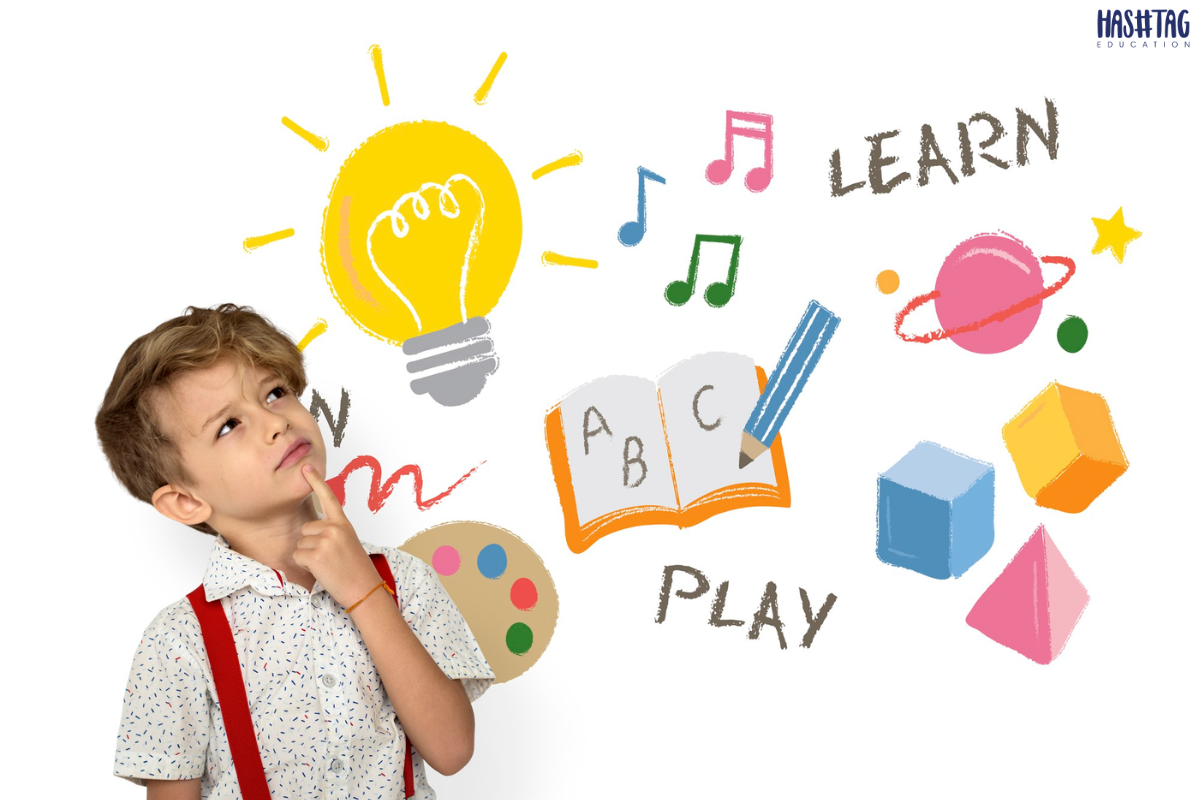
Fun Learning Activities at Home: Try These 5 Easy Ideas
Fun Learning Activities That Make Learning Easy at Home You might think that fun learning activities at home require a lot of planning and effort. However, the best learning opportunities sometimes take place when children are in a casual and joyful state. When children feel free to explore, play, and dream, they start to learn without even knowing it. As parents, we always feel the necessity to plan and create learning opportunities for our children. However, children sometimes do not require such planning. What they actually require is to be engaged, to interact, and to be creative. A few learning activities at home will turn every moment into a learning experience. What’s more? Your child will enjoy every moment without feeling a single burden. 5 Fun Learning Activities at Home for Kids Here are five fun learning activities at home for kids that can easily become part of your daily routine: 1. Storytelling and Pretend Play Children are natural storytellers and love listening to stories. But they love telling their own stories even more. You can sit with your child and build a story together or have your child play different roles with toys or objects. These fun learning activities at home are effective for improving your child’s imagination skills and can greatly contribute to their development. It is also a way for children to express their thoughts and feelings in a creative way. Storytelling can greatly contribute to communication skills and learning. 2. Drawing and Creative Time You can give your child paper and crayons or colors and let them draw whatever they want. You should not interfere or correct them. Let them be creative. Drawing is one of the most fun and relaxing learning activities at home. It will allow your child to express what they feel. Besides, it will also allow them to be independent and confident. Ready to make learning more meaningful at home?Blueberry workbooks & box sets help children learn, create, and grow with joy.🛒 Shop Now: https://hashtageducation.in/collections 3. Counting and Sorting Games You don’t have to go out and buy things to conduct counting and sorting games. You can use things you have at home. For instance, you can use fruits or toys. Your child will be able to learn the numbers using the things they love. These fun learning activities at home will allow your child to learn the basics of mathematics in a creative and fun manner. Besides, it will also allow them to exercise their observation skills. 4. Puzzles and Matching Games These games are also great at keeping children engaged. These might seem to be just playing, but they require a lot of brainwork. These fun learning activities at home will also enhance the memory power and patience of the child. They will learn to concentrate on the task and feel a sense of achievement when they complete it. 5. Outdoor Exploration If there is access to an outdoor area, take your child out. Ask them to observe the plants, birds, or even the sky. Ask your child simple questions such as, “What do you see?” or “Why do you think this happens?” These will become wonderful, fun learning activities at home, and the child will start to understand things. They will start to develop a natural interest in learning. Why Fun Learning Activities at Home Matter Children don’t need to be told they need to learn; they need the right environment. When you include fun learning activities at home in your daily routine, children will learn that it is not only okay to learn, but it is actually fun. Learning activities at home help children build their confidence, enhance their thinking skills, and develop their inquisitive nature. Children will learn to explore, think critically, and solve problems independently. All these small learning experiences will eventually lay the foundation for their academic and personal development. Learning is actually fun. When children learn in a fun way, they will be motivated to learn more. Read Also: 5 fun ideas for learning through play Creating Meaningful Learning Moments at Home You don’t need a perfect setup to support your child’s development. The most important thing is your presence and participation. Even a few minutes of focused interaction can make a big difference. When children feel supported and encouraged, they become more confident and willing to take on new challenges. These fun learning activities at home are not just for learning. These fun learning activities are for creating a strong bond between you and your child while helping your child develop. A Thought for Parents Are you spending time on these fun learning activities at home every day? Sometimes, even small moments of playtime, talking, and exploring together can have a big impact on your child’s future.

Parenting Tips for Indian Parents: Don’t Miss These Essential Habits
Parenting Tips That Help Indian Parents Support Early Learning Naturally Parenting tips don’t have to be hard. In most Indian families, kids learn from simple activities within the household, whether during mealtimes, discussions with relatives, or while playing. As parents, there’s no doubt that at some point, we would question ourselves whether we are giving enough. There’s constant comparison, planning, and making sure that we offer our kids what will make them better in life. The fact is, kids don’t require perfect parenting; they just need us to be consistently loving, attentive, and guiding. Simple parenting tips practiced daily contribute significantly to early learning experiences. Early learning shouldn’t be stressful for kids; it should be fun. 10 Parenting Tips for Indian Parents to Support Early Learning 1. Talk to Your Child Every Day Speaking is one of the easiest parenting tips you can give. Engaging in conversation with your child helps him/her communicate his/her ideas fluently. 2. Make Learning Part of Daily Life There is no need to separate learning from other activities. Counting, colour recognition, or any discussion about everyday activities are some good parenting tips. 3. Encourage Play Without Pressure Children learn best when they play freely. Allowing them to explore without pressure is one of the most effective parenting tips for overall development. Inspired by these ideas? Let your child practice them in a fun way!Explore Blueberry workbooks that turn concepts into engaging activities.🛒 Shop Now: https://hashtageducation.in/collections 4. Read Together, Even for a Few Minutes Reading daily exposes kids to concepts that they would otherwise not know about. It does not matter how long the reading takes. 5. Be Patient with Your Child’s Pace Every child learns differently. One of the most important parenting tips is to respect their pace and avoid unnecessary comparisons. 6. Encourage Questions and Curiosity Children are naturally curious. Encouraging their questions helps them think, explore, and understand the world better. 7. Limit Screen Time and Encourage Interaction Spending more time interacting with your child instead of relying on screens is a valuable parenting tip. Real-life experiences are far more effective for learning. 8. Create a Safe and Loving Environment The safety that the environment at home can provide helps children learn best. A good environment is a key factor for any good advice on parenting. 9. Appreciate Effort, Not Just Results Instead of focusing only on results, appreciate your child’s efforts. This helps build confidence and encourages them to keep trying. 10. Be Involved in Small Moments Your presence matters more than anything else. Whether it’s helping with homework or simply playing together, these small moments make a big impact. Parenting Tips That Build Confidence Over Time As these parenting tips are integrated into their daily lives, kids gradually start becoming more confident. They start expressing themselves, trying new things, and taking on minor risks without being afraid. Confidence isn’t gained through significant accomplishments; it’s gained through continuous encouragement. As kids start feeling valued and listened to, they become naturally more expressive and independent. Read Also: Parenting tips for children age 6-9 The Real Meaning of Early Learning at Home Early learning is not about completing books or getting ahead of others. It is about helping children enjoy learning. When parents follow simple parenting tips, they create an environment where children feel safe to explore and grow. This positive experience helps children develop a love for learning that stays with them for life. Why These Parenting Tips Truly Matter In today’s fast-paced world, it’s easy to feel that more is always better: more classes, more activities, more pressure. But in reality, children grow best in environments where they feel supported, not stressed. These parenting tips remind us that learning happens in everyday life. It’s in conversations, shared laughter, and simple routines. These moments may seem small, but they create a strong foundation for a child’s future.Are You Following These Parenting Tips in Your Daily Routine?
Brain-Boosting Activities for Kids: Explore These Fun Ideas
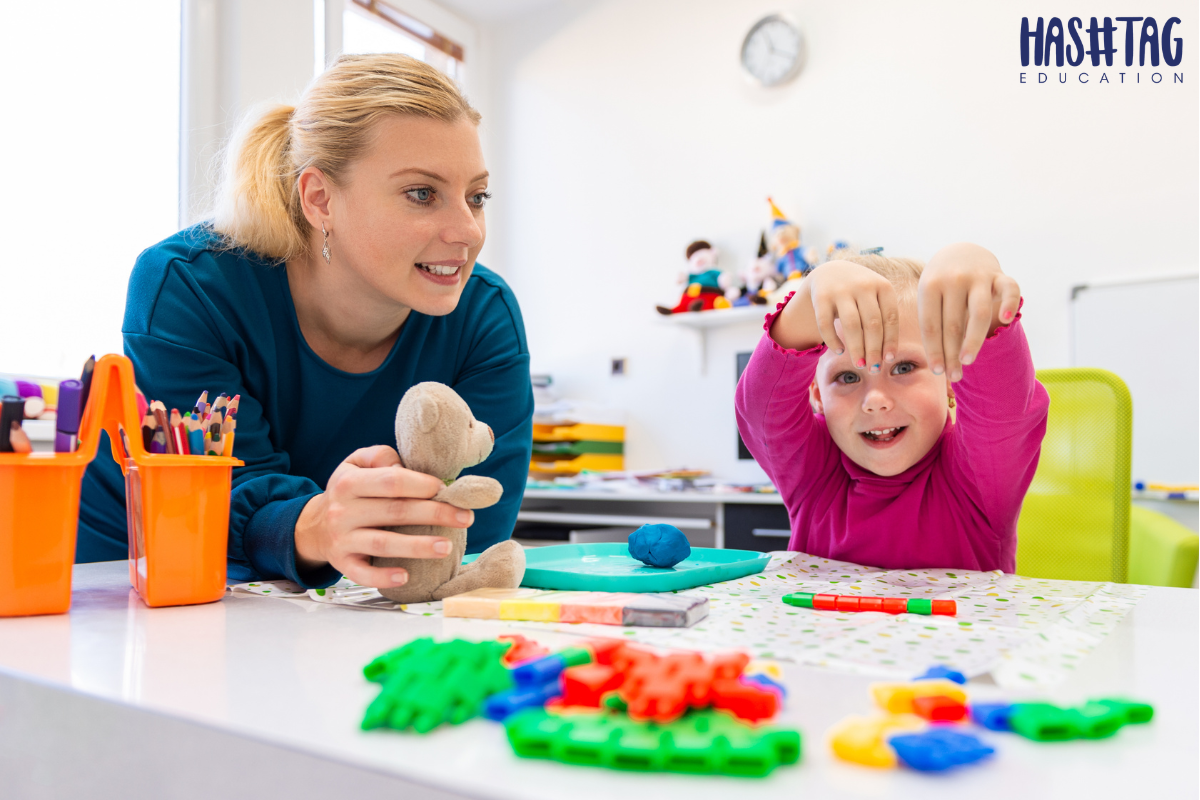
Fun and Easy Brain-Boosting Activities for Kids at Home Brain-boosting activities for kids don’t need to be complicated or time-consuming. In fact, some of the most effective learning happens through simple play at home. When children are engaged in fun activities, they naturally start thinking, exploring, and learning without any pressure. Whether it’s solving a puzzle, building something new, or playing a memory game, these small moments help children develop important brain skills. Over time, these activities improve focus, strengthen memory, and build problem-solving abilities; all while keeping children happy and engaged. Brain-Boosting Activities for Kids: Why They Matter Brain-boosting activities for kids play an important role in early development. During the early years, a child’s brain is growing rapidly, making it the perfect time to introduce activities that support thinking and understanding. These activities help children recognize patterns, improve concentration, and develop logical thinking. They also encourage curiosity, which is the foundation of learning. When children feel confident in their thinking, they become more independent and willing to try new things. 10 Easy Brain-Boosting Activities for Kids at Home You don’t need expensive toys or special tools to introduce brain-boosting activities for kids. Here are simple ideas you can try anytime: 1. Puzzle Games Puzzles improve problem-solving skills and teach children patience and focus. 2. Memory Matching Games Matching cards or objects helps strengthen memory and attention in a fun way. 3. Storytelling and Recall Tell a short story and ask your child to repeat parts of it. This builds listening and memory skills. 4. Sorting and Categorizing Sorting objects by color, shape, or size helps develop logical thinking. 5. Building with Blocks Blocks improve creativity and spatial awareness, making them powerful learning tools. 6. Simple Problem-Solving Tasks Give small challenges like fixing something or finding a solution to build reasoning skills. 7. Counting and Number Games Counting everyday objects turns learning into a fun and practical activity. 8. Pretend Play Role play encourages imagination, decision-making, and understanding real-life situations. 9. Pattern Recognition Games Identifying patterns improves observation and thinking skills. 10. Question and Answer Time Asking simple “why” and “how” questions encourages curiosity and deeper thinking. Brain-Boosting Activities Can Be Simple and Fun The best part about brain-boosting activities for kids is that they can be done anywhere, anytime. You don’t need a perfect setup or expensive materials. Most activities can be created using everyday items at home. What matters most is keeping the experience fun and relaxed. When children enjoy what they are doing, they naturally stay engaged and learn better. Read Also: 21 learning activities for babies and toddlers Brain-Boosting Activities Build Confidence Over Time When children regularly take part in brain-boosting activities for kids, they begin to trust their own thinking. They learn to try, make mistakes, and try again. This process builds confidence and independence. Children become more willing to explore new ideas and solve problems on their own. Over time, these small steps help them grow into confident learners who are ready for new challenges. A Thought for Parents Are you giving your child enough opportunities to think, explore, and grow every day? Sometimes, the simplest activities at home can have the biggest impact on how your child learns and develops.
What Is Language Development in Early Kids & Why It Matters
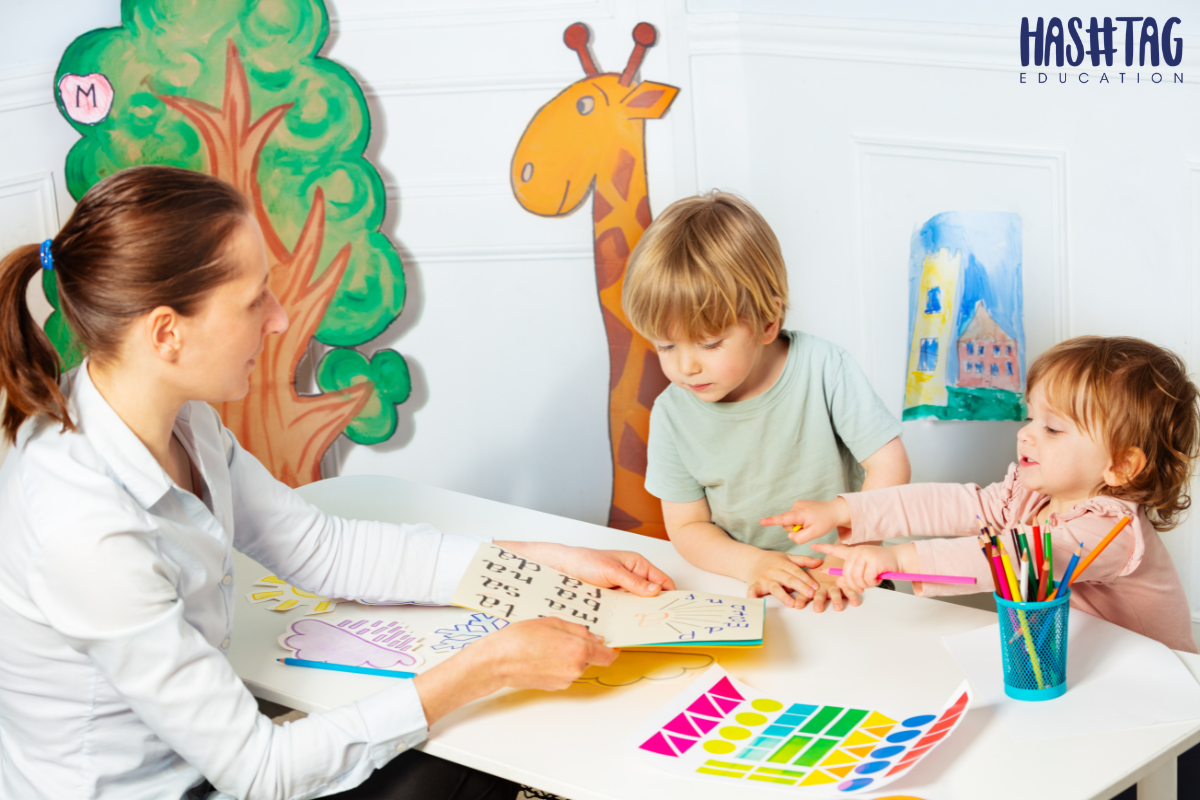
Language Development in Early Years That Builds Strong Communication Language development in early kids is not just about learning new words; it’s about helping children express who they are. It’s how they begin to share their thoughts, feelings, and needs with the world around them. Imagine a child who wants to say something but struggles to find the right words. That moment can feel frustrating for them and emotional for parents, too. This is exactly why early language development matters so much. It gives children a voice, helping them feel understood, confident, and connected. In these early years, learning doesn’t come from textbooks; it comes from everyday moments. A simple conversation, a bedtime story, or even a playful rhyme can quietly shape how a child communicates. Language Development in Early Kids: Why It Matters Language development in young kids plays a much bigger role than we often realize. During the first few years of life, children absorb language naturally. They listen carefully, observe expressions, and try to repeat what they hear. Strong language skills help children express their thoughts clearly and understand others better. They also form the base for reading, writing, and thinking. When children can communicate effectively, they feel more confident in learning and interacting with others. This confidence doesn’t just help in school; it helps in life. A child who can express themselves well is more likely to ask questions, explore new ideas, and build strong relationships. Read Also: Preschool Teaching Strategies That Truly Help Kids Learn Language Development in Early Kids Happens Through Daily Moments One of the most comforting things for parents is that language development in young children doesn’t require special classes or complex methods. It happens naturally through daily interactions. Talking while cooking, describing what you see during a walk, or asking simple questions like “What is this?” or “How do you feel?” These small moments are powerful. They introduce new words and show children how language works in real life. Even listening is a key part of language development. When children hear stories, songs, or conversations, they begin to understand patterns, sounds, and meanings. Over time, these experiences build a strong vocabulary and a better understanding. Easy Ways to Support Language Development in Early Kids Supporting language development in young kids doesn’t need expensive tools or perfect planning. What matters most is your time and attention. Talk Throughout the Day Speak to your child about what you are doing, seeing, or feeling. Simple conversations help them learn words naturally. Read Together Regularly Reading books introduces children to new ideas and vocabulary. It also strengthens imagination and listening skills. Use Songs and Rhymes Children enjoy repetition. Songs and rhymes make learning fun and help them remember words easily. Listen with Patience Give your child time to speak. When you listen carefully, they feel valued and become more confident in expressing themselves. Language Development Builds Confidence Over Time As language development in early kids improves, something beautiful begins to happen: they gain confidence. Children start sharing their thoughts more openly, asking questions, and participating in conversations. They feel proud when they are understood. This confidence gradually shapes their personality, making them more expressive and independent. Over time, strong communication skills also support social interactions, friendships, and learning in school. It becomes easier for them to adapt, connect, and grow. The Real Goal of Language Development The true goal of language development in young kids is not perfect pronunciation or advanced vocabulary; it’s meaningful communication. When children are encouraged with patience and care, they learn to express themselves freely without fear. They become comfortable sharing their ideas and emotions. And this ability doesn’t just stay in childhood; it becomes a lifelong strength that supports learning, relationships, and confidence in every stage of life. Read Also: How to communicate effectively with your young child A Thought for Parents Are you supporting your child’s language development every day? Sometimes, the smallest conversations, the ones we don’t even think about, are the ones that make the biggest difference.
NEP 2020 for Preschool Education: Big Changes Ahead
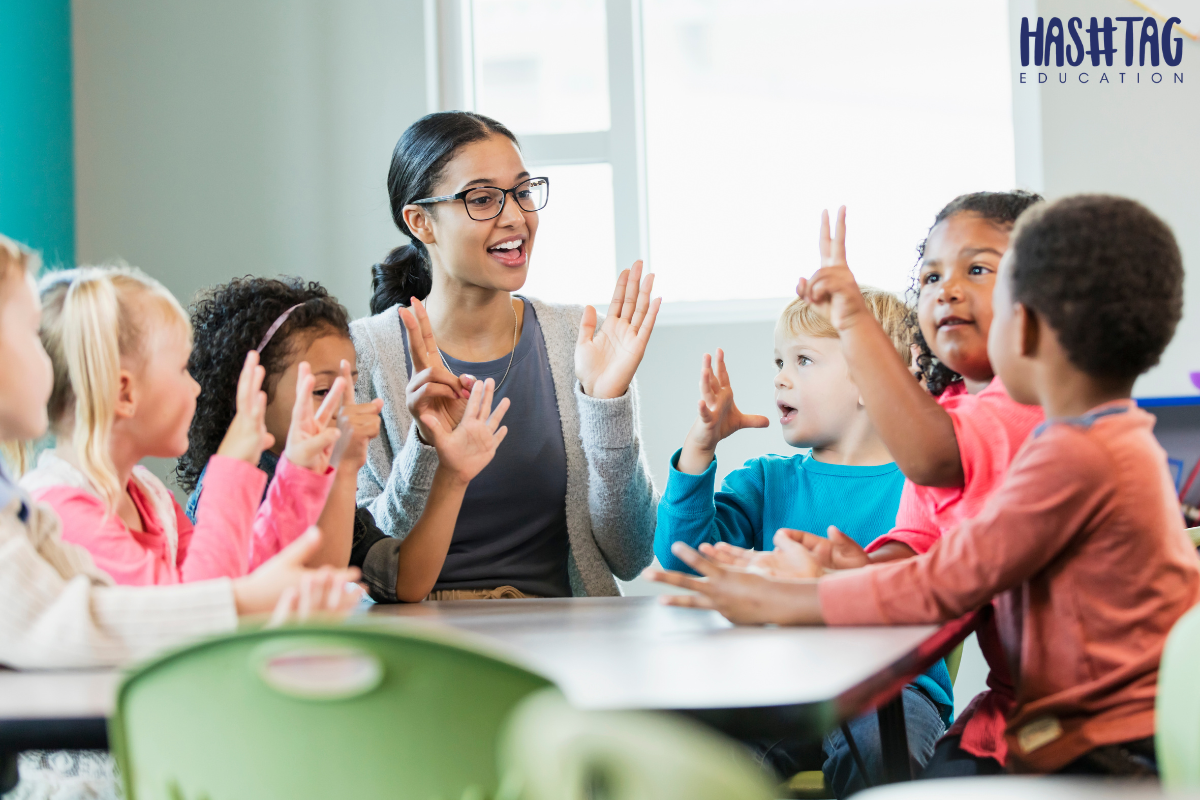
Why NEP 2020 is Changing the Way Preschool Education Works NEP 2020 for Preschool Education is not just another policy; it’s a wake-up call for how we look at early childhood learning. For years, preschool was often seen as just a place where children play before “real education” begins. But what if these early years are actually the most important ones? A child’s brain develops faster in the first few years than at any other stage of life. Every conversation, every story, every small activity shapes how they think, feel, and learn. NEP 2020 recognizes this powerful truth, and that’s where everything begins to change. NEP 2020 for Preschool Education: Why This Shift Matters NEP 2020 for Preschool Education brings a major shift in mindset. It tells us that learning is not just about books and classrooms; it starts much earlier, in a child’s everyday experiences. The policy introduces the foundational stage (ages 3–8), combining preschool and early primary years. This means children are no longer pushed into formal learning too early. Instead, they are given time to grow, explore, and understand the world in a natural way. This shift matters because when children feel safe, curious, and engaged, they learn better. It’s not about making them memorize; it’s about helping them understand. What NEP 2020 for Preschool Education Really Changes The biggest change in NEP 2020 for Preschool Education is how learning happens. The focus moves away from rote learning and towards play-based, activity-based, and experiential learning. Learning Through Play, Not Pressure Children learn best when they play. Whether it’s storytelling, games, or creative activities, learning becomes enjoyable instead of stressful. Focus on Overall Development It’s not just about reading and writing anymore. NEP 2020 focuses on emotional, social, physical, and cognitive development, all equally important. School Readiness, Not Academic Pressure Instead of forcing early academics, children are prepared with basic skills like communication, thinking, and problem-solving. Stronger Early Education Systems The integration of Anganwadi and preschool systems ensures that more children get access to structured early learning. Read Also: How to Teach Phonics to Preschoolers: Fun & Easy Methods Why This Matters for Your Child For parents, NEP 2020 for Preschool Education is a reminder that learning doesn’t begin in Grade 1; it begins much earlier. Children who experience play-based learning in their early years tend to be more confident, curious, and independent. They are not just better at academics; they are better at thinking, adapting, and expressing themselves. This approach reduces pressure and allows children to enjoy learning instead of fearing it. And when children enjoy learning, they carry that mindset for life. Role of Parents in NEP 2020 for Preschool Education NEP 2020 doesn’t just change schools; it changes the role of parents, too. Learning is no longer limited to classrooms. Simple everyday moments, such as talking, storytelling, playing, and asking questions, become powerful learning experiences. When parents engage with children, they create an environment where curiosity grows naturally. You don’t need special tools or structured lessons. What children need most is time, attention, and encouragement. Read Also: Early childhood education A Thought to Take With You The early years pass quickly, but their impact lasts forever. NEP 2020 for Preschool Education is not just about changing education; it’s about giving every child a better start. And sometimes, that start begins with the simplest things: a conversation, a story, or a moment of play.
Best Preschool Curriculum in India: Don’t Choose Wrong
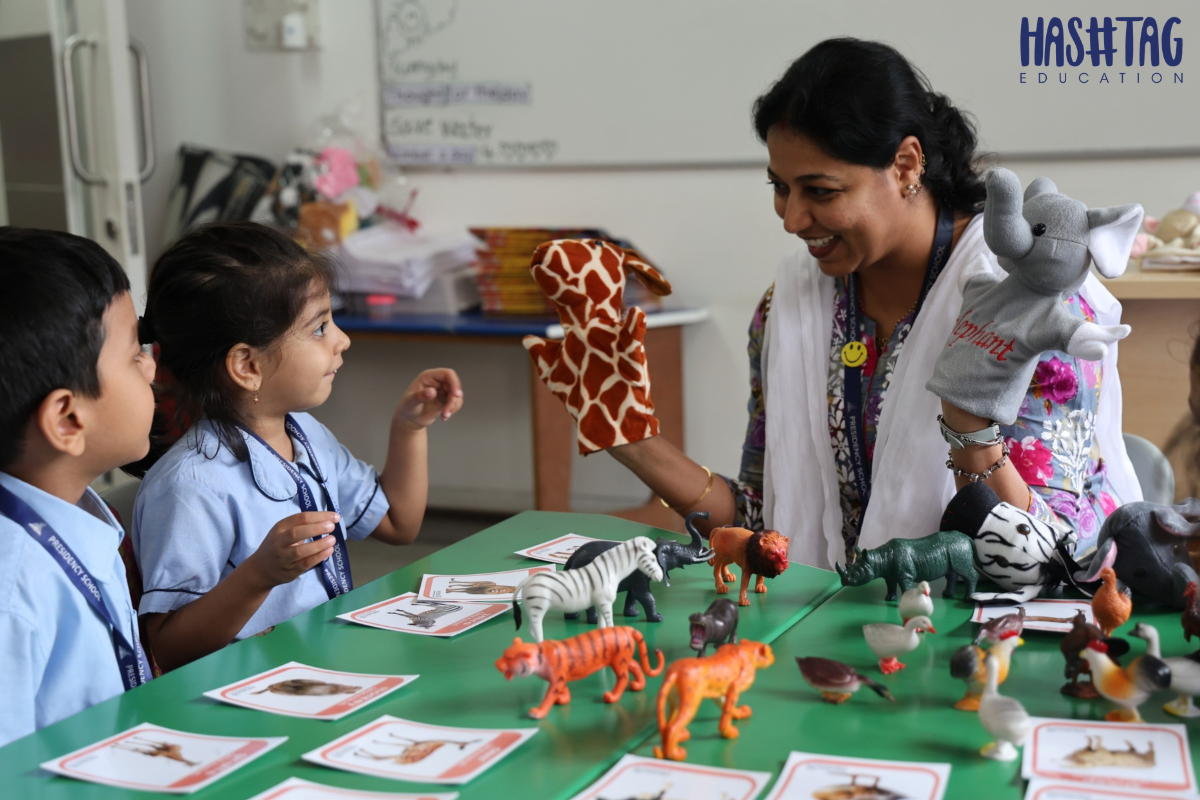
How to Choose the Best Preschool Curriculum in India The best preschool curriculum in India is not just about what your child learns; it’s about how they begin their learning journey. These early years are not a race to read or write faster. They are about building curiosity, confidence, and a love for learning that lasts a lifetime. Many parents feel confused when choosing a preschool curriculum. With so many options available, it’s easy to focus on worksheets and early academics. But the truth is, the right curriculum doesn’t rush children; it helps them grow naturally through play, exploration, and meaningful experiences. Best Preschool Curriculum in India: What Really Matters When we talk about the Best Preschool Curriculum in India, it’s important to look beyond books and structured lessons. A good curriculum focuses on how children learn, not just what they learn. According to NEP 2020, early childhood education should be play-based, activity-based, and focused on overall development rather than rote learning. The best curriculum supports a child’s emotional, social, physical, and cognitive growth. It allows children to explore, ask questions, and learn through real experiences instead of memorization. Read Also: Preschool Teaching Strategies That Truly Help Kids Learn Key Features to Look For: Types of Preschool Curriculum in India There are different approaches to the Best Preschool Curriculum in India, and each has its own strengths. Understanding them can help you make a better choice. Play-Based Curriculum (NEP 2020 Aligned) This approach focuses on learning through games, storytelling, music, and activities. It helps children learn naturally without pressure and builds strong foundational skills. EYFS (Early Years Foundation Stage) Inspired by international standards, EYFS focuses on structured play, exploration, and child-led learning. It supports communication, physical development, and social skills in a balanced way. Montessori Method This method encourages independence and hands-on learning. Children learn at their own pace using specially designed materials. Integrated Curriculum Some preschools combine different approaches to create a flexible and balanced learning system suited to modern needs. Read Also: Preschool Curriculum Programs Why the Right Curriculum Matters for Your Child Choosing the Best Preschool Curriculum in India can shape how your child sees learning for years to come. A child exposed to the right environment becomes more confident, curious, and independent. Instead of feeling pressured, they enjoy discovering new things. Research also shows that early childhood education builds the foundation for lifelong learning and development. On the other hand, a curriculum that focuses too much on early academics can create stress and reduce a child’s natural interest in learning. How Parents Can Make the Right Choice Finding the Best Preschool Curriculum in India doesn’t mean choosing the most popular one; it means choosing what suits your child. Observe the Learning Environment Look for classrooms where children are active, engaged, and happy rather than silent and pressured. Focus on Learning Methods, Not Just Results Ask how children are taught, not just what they are taught. Check Teacher Interaction Teachers should guide, support, and encourage, not just instruct. Choose Balance Over Pressure A good curriculum balances play, learning, and development without rushing the child. A Thought for Parents The early years don’t come back. Choosing the Best Preschool Curriculum in India is not about preparing your child for exams; it’s about preparing them for life. When children are given the right start, they don’t just learn better they grow better.
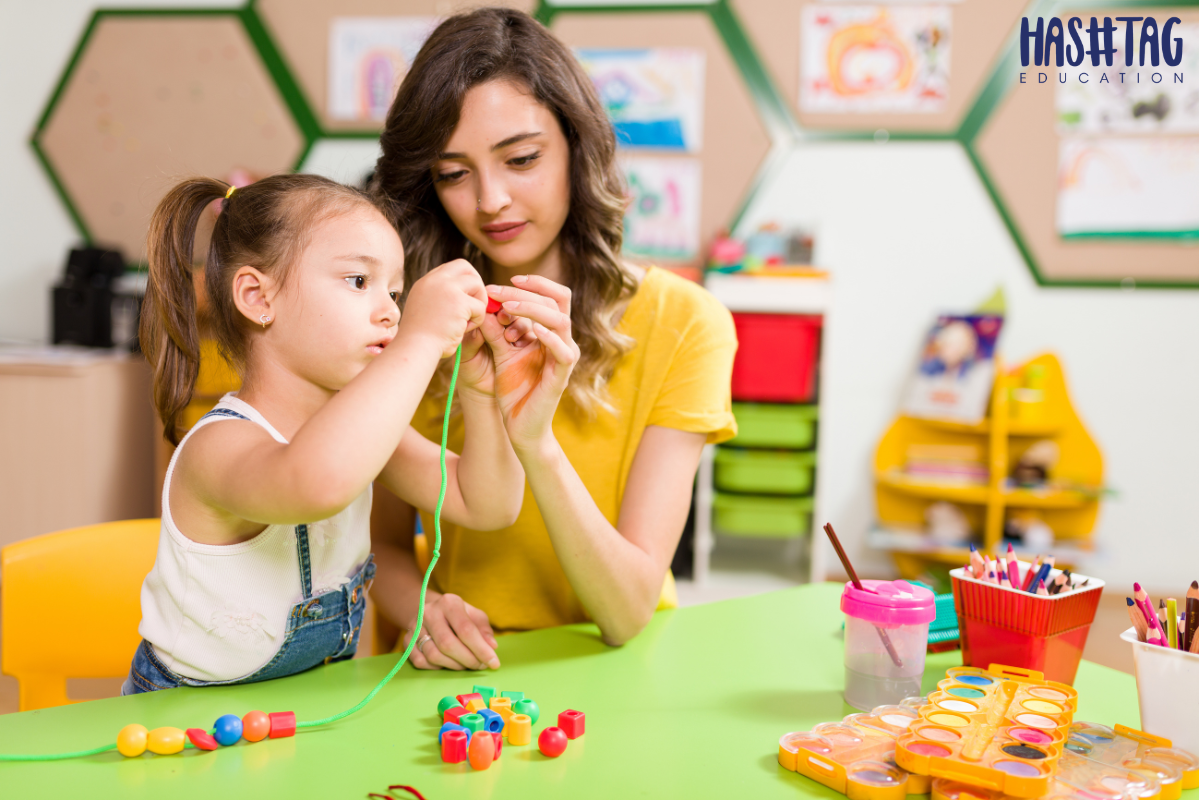
Preschool Teaching Strategies That Truly Help Kids Learn
Simple and Powerful Preschool Teaching Strategies for Better Learning Preschool Teaching Strategies are not just about teaching letters, numbers, or activities; they are about shaping how a child feels about learning for the very first time. These early experiences can either build curiosity or create pressure. And once that feeling is formed, it often stays with them for years. Every child is naturally eager to explore. They ask questions, observe everything, and try to understand the world in their own way. The real question is, are we teaching in a way that supports this curiosity, or are we unknowingly limiting it? The right strategies don’t push children to learn faster; they help them learn better. Preschool Teaching Strategies: Why They Matter So Much Preschool Teaching Strategies play a crucial role during the most important stage of brain development. In these early years, children are not just learning content; they are learning how to think, respond, and express themselves. When teaching methods are engaging and child-friendly, children become confident and interested in learning. But when learning feels forced, children may lose that natural excitement. That’s why modern education focuses on play-based, interactive, and experiential learning, rather than rote memorization. Preschool Teaching Strategies That Truly Work The most effective Preschool Teaching Strategies are simple, natural, and aligned with how children learn best. Learning Through Play Play is not just fun; it is the most powerful learning tool. Through games, storytelling, and role play, children understand concepts without feeling pressured. Interactive Learning Children learn better when they are involved. Asking questions, encouraging conversations, and listening to their ideas help build communication and thinking skills. Activity-Based Learning Hands-on activities like sorting, building, and matching help children develop problem-solving and creativity. Storytelling and Rhymes Stories and rhymes make learning memorable. They improve language skills and help children connect ideas easily. Learning Through Experience Children learn more when they see, touch, and explore. Real-life experiences make learning meaningful and long-lasting. Read Also: Fun Learning Activities at Home: Simple Ideas Kids Love How These Strategies Shape a Child’s Future Using the right Preschool Teaching Strategies does more than improve learning; it shapes a child’s personality. Children who learn in a positive environment become more confident, curious, and independent. They are not afraid to ask questions or try new things. This mindset becomes the foundation for future success, not just in school, but in life. On the other hand, when learning feels stressful, children may hesitate, lose interest, or become dependent on instructions. This is why the way we teach matters just as much as what we teach. Role of Teachers and Parents Both teachers and parents play an important role in applying Preschool Teaching Strategies. Learning is not limited to classrooms; it continues at home through simple interactions. Talking to children, playing with them, and encouraging their ideas can make a huge difference. Children don’t need perfect teaching; they need a supportive environment where they feel safe to explore and learn. Consistency, patience, and encouragement are the most powerful tools adults can use. When children feel supported, they naturally become active learners. A Thought to Reflect On The goal is not to create children who only follow instructions; it is to raise children who think, question, and grow with confidence. The right Preschool Teaching Strategies don’t just teach, they inspire. Read Also: How to prepare your child for preschool