

Working Parents Early Learning Tips India: 7 Smart Strategies That Actually Work
Working Parents Early Learning Tips India: Making Every Minute Count Working parents early learning tips India is one of the most emotional parenting searches today. Many parents feel guilty about spending long hours at work while trying to support their child’s learning and development. However, research consistently shows that children benefit more from short periods of focused interaction than from long hours of distracted supervision. This is why working parents early learning tips India should focus on quality, consistency, and emotional connection rather than unrealistic schedules. Parents do not need 5 hours daily to support learning. Even 20 to 30 minutes of meaningful interaction can strongly support preschool development. Why Quality Matters More Than Quantity Research from Harvard’s Center on the Developing Child confirms that responsive parent-child interaction has the biggest impact on early learning. For preschool learning for working parents, this means: Children learn best when parents are emotionally present, even for short periods. Boost STEM learning, focus, and hand-eye coordination with this fun DIY Mini Golf game for kids. Perfect for screen-free playtime.👉 Shop now: https://amzn.to/4dlAoZ5 7 Working Parents Early Learning Tips India Families Can Use Daily 1. Create a Daily Power 20 Routine One of the best working parents early learning tips India experts recommend is creating a “Power 20” routine. Spend 20 minutes daily with: No phones. No multitasking. Just focused interaction. These short sessions build language, confidence, and emotional security. 2. Turn Commute Time Into Learning Time Preschool learning for working parents can happen during travel too. While commuting: Even 15 minutes daily adds up to several hours of learning every month. Loved these ideas? Let’s bring them to life beyond the screen!Discover Blueberry workbooks & box sets designed for joyful, hands-on learning.🛒 Shop Now: https://hashtageducation.in/collections/box-set 3. Use Daily Routines as Learning Activities Simple household routines are powerful early learning activities for busy parents. Examples: Children learn naturally through repetition and conversation. 4. Use Weekends for Deep Learning Time Weekends allow longer, relaxed learning sessions. Good weekend activities include: These activities strengthen creativity, communication, and bonding. 5. Involve Grandparents and Caregivers Another important part of working parents early learning tips India is involving support systems effectively. Grandparents or caregivers can help with: Simple guidance helps learning continue even during work hours. 6. Make Bedtime Learning Special Bedtime is often the calmest part of the day. Preschool learning for working parents works especially well during bedtime because children are emotionally connected and relaxed. Simple bedtime activities: Even 10 to 15 minutes daily builds strong language skills over time. 7. Keep Learning Simple and Consistent Parents often feel pressure to create complicated learning schedules. But the best early learning activities for busy parents are simple and repeatable. Children benefit most from: Consistency matters far more than perfection. The Math That Removes Parent Guilt Many working parents underestimate how much learning already happens daily. Example: That equals more than 6 hours of meaningful learning every week. Working parents early learning tips India are not about doing everything perfectly. They are about using available time intentionally. Working Parents Early Learning Tips India Without Stress The biggest mistake parents make is believing they are failing because they work. Children do not need perfect schedules or constant academic pressure. They need: Preschool learning for working parents becomes much easier when parents focus on small daily habits instead of unrealistic expectations. Even simple early learning activities for busy parents can create powerful long-term developmental benefits when done consistently with warmth and attention.

What Should 3 Year Old Know India: 7 Essential Milestones Every Parent Should Know
What Should 3 Year Old Know India for Healthy Development? What should 3 year old know India is one of the most searched parenting concerns among preschool families. Many parents compare their child’s learning with neighbours, relatives, or preschool expectations and begin worrying unnecessarily. However, developmental growth at age 3 is not about perfect academics or early writing skills. This guide on what should 3 year old know in India focuses on realistic child development expectations based on developmental science, not competitive pressure. Most children at this age are still building communication, motor skills, emotional awareness, and social confidence. Understanding 3 year old milestones India properly helps parents focus on healthy development instead of unrealistic expectations. 1. Language and Communication Milestones One major part of developmental milestones for 3 year old India is communication. Most children at age 3 can: Children may still pronounce some words unclearly, which is completely normal. If your child meets most of these language goals, their communication development is progressing well. 2. Cognitive and Learning Milestones Another important area of what should 3 year old know India is cognitive development. Most 3-year-olds can: Many Indian parents expect letter writing very early, but developmental milestones for 3 year old India do not require formal reading or writing yet. Learning at this age should happen mostly through play and exploration. Build focus, STEM skills, and hand-eye coordination with this fun DIY Mini Golf game for kids.Perfect screen-free family fun.👉 Shop now: https://amzn.to/49vgdqt 3. Motor Skills Milestones 3 year old milestones in India also include fine motor and physical development. Most children can: Activities like colouring, tracing, clay play, and building games naturally strengthen motor coordination. 4. Social and Emotional Development Social behaviour is an important part of developmental milestones for 3 year old India. At age 3, children usually: Sharing perfectly is not expected yet. Many preschoolers still prefer parallel play instead of cooperative play. 5. Self-Care Skills What should 3 year old know India also includes simple self-care abilities. Most children can: Children develop independence gradually, so differences in speed are normal. 6. What Is NOT Expected at Age 3 One important part of understanding 3 year old milestones India is knowing what children are NOT expected to do yet. Most 3-year-olds do not need to: Advanced academic skills at age 3 are bonuses, not requirements. Parents who push excessive academics too early often create stress and learning resistance. 7. How Parents Can Support Development Naturally The best way to support developmental milestones for 3 year old India is through: Children at this age learn best through interaction and playful experiences rather than pressure-based teaching. Loved these ideas? Let’s bring them to life beyond the screen!Discover Blueberry workbooks & box sets designed for joyful, hands-on learning.🛒 Shop Now: https://hashtageducation.in/collections/box-set When Parents Should Seek Guidance While development varies naturally, professional support may help if a child: Early guidance can support children effectively if developmental concerns exist. What Should 3 Year Old Know India Is About Development, Not Competition The most important thing parents should remember about what should 3 year old know is that childhood is not a race. Strong 3 year old milestones develop gradually through: When parents focus on healthy developmental milestones for 3 year old India instead of comparison, children naturally become more confident, curious, and ready for future learning.

Nursery Admission Preparation India: 8 Powerful Truths Every Parent Must Know
Nursery Admission Preparation in India Is Not About Memorising Everything Nursery admission preparation in India has become a major concern for parents of preschoolers. Coaching centres, admission consultants, and interview preparation classes often make parents believe that children must memorise the alphabet, numbers, colours, and answers perfectly before school admissions. But most schools are not looking for academic prodigies. The real purpose of nursery admission in India is to help children become emotionally, socially, and developmentally ready for a classroom environment. Schools usually assess four key areas: Understanding this changes the entire admission process from stressful pressure to practical preparation. What Schools Actually Assess During Nursery Admissions 1. Communication Comfort One important part of nursery preparation is helping children communicate comfortably with unfamiliar adults. Schools may ask: They are not checking advanced vocabulary. They simply want to see whether the child can respond naturally and express basic needs. Parents can support this at home through daily conversations, storytelling, and encouraging interaction with relatives, neighbours, and visitors. Build focus, STEM skills, and hand-eye coordination with this fun DIY Mini Golf game for kids.Perfect screen-free family fun.👉 Shop now: https://amzn.to/49vgdqt 2. Social Readiness Another important part of nursery admission preparation in India is social confidence. Schools observe: Complete independence is not expected, but some curiosity and willingness to participate are positive signs. Short playdates, park visits, and small separations from parents can gradually build social confidence. 3. Motor Skills Motor development is a major part of nursery kids’ admission preparation in India because schools want to know whether children are developing age-appropriate coordination skills. Schools may observe: Children are not expected to write perfectly. Schools simply check whether fine motor development is progressing normally. Activities like colouring, tracing, clay play, and building blocks help strengthen these skills naturally. Loved these ideas? Let’s bring them to life beyond the screen!Discover Blueberry workbooks & box sets designed for joyful, hands-on learning.🛒 Shop Now: https://hashtageducation.in/collections/box-set 4. Basic Cognitive Awareness Nursery kids’ admission preparation in India also includes simple cognitive development. Schools may check whether children can: This is developmental screening, not formal testing. Simple daily activities already build these abilities: These natural interactions are often more effective than formal drills. 8 Practical Nursery Admission Preparation India Tips 1. Start Early and Gradually The best nursery kids’ admission preparation in India happens slowly over a few months, not through last-minute pressure. Small daily activities build confidence naturally. 2. Keep Learning Playful Young children learn best through games, storytelling, songs, and hands-on activities. Avoid turning preparation into stressful “practice sessions.” 3. Read Picture Books Daily Picture books improve: Storytime also helps children feel comfortable interacting with adults during admission conversations. 4. Encourage Independent Speaking Instead of answering for your child constantly, encourage them to respond independently. Even simple answers build confidence. 5. Build Social Exposure Playdates, family gatherings, parks, and community events help children become comfortable in new environments. Social confidence is a key part of nursery preparation in India. 6. Support Fine Motor Development Simple activities like: improve hand control and coordination. Short daily practice works much better than long study sessions. 7. Prepare Yourself Too Parents are often observed during admissions as well. Schools may notice: Calm, realistic parents create calmer children. 8. Avoid Comparison Every child develops differently. Comparing your child with neighbours or relatives only increases anxiety and pressure. Nursery admission preparation India should focus on readiness, not competition. What Parents Should Avoid Many parents unintentionally make nursery preparation in India more stressful than necessary. Avoid: Schools can easily recognise rehearsed answers, and over-coaching often reduces natural confidence. A relaxed, emotionally secure child usually performs better than a stressed child trained through pressure. Nursery Admission Preparation India Should Build Confidence, Not Fear The biggest misunderstanding about nursery preparation in India is that admissions are academic tests. In reality, schools mainly want children who are: Parents do not need expensive coaching programmes or rigid preparation schedules. Read Also: Brain-Boosting Activities for Kids: Explore These Fun Ideas Simple daily habits like: They are often the best preparation of all. When children feel confident, safe, and emotionally supported, they naturally perform better during nursery admissions and beyond.

Improve Child Concentration at Home India: 10 Proven Strategies
Improve Child Concentration at Home India With Simple Daily Strategies Improve child concentration at home India is one of the most common concerns among parents of preschoolers. Many young children start multiple activities but struggle to stay focused for long periods, which naturally worries parents. However, most concentration challenges between ages 2 and 5 are completely normal and linked to early brain development. Children at this stage are still learning how to focus, follow instructions, and complete tasks step by step. The good news is that parents can gradually improve concentration through simple routines, reduced distractions, better sleep, physical activity, and engaging learning habits. Instead of forcing children to sit for long periods, the goal is to build attention naturally through short, enjoyable activities that match their developmental stage. A 2-year-old typically focuses for 4 to 6 minutes. At age 3, attention spans usually increase to 6 to 8 minutes. By ages 4 and 5, many children can focus for 10 to 15 minutes on activities they enjoy. This means your child is not “weak in concentration” simply because they cannot sit for 30 minutes continuously. The aim is not to force focus. The aim is to improve child concentration at home India gradually through supportive environments, healthy routines, and playful learning experiences. Why Parents Want to Improve Child Concentration at Home India Indian parents often face unique pressure around concentration and learning. Preschool academics begin very early, homework starts at a young age, and comparison with other children increases anxiety. At the same time, screen exposure has increased dramatically, reducing opportunities for physical play and sustained attention development. This combination makes many parents feel that their child has a concentration problem when the behaviour may actually be age-appropriate. Understanding this helps parents approach concentration calmly instead of through pressure. 10 Proven Ways to Improve Child Concentration at Home India Strategy 1: Remove Distractions First The easiest way to improve child concentration at home India is to remove unnecessary distractions. Before workbook time or learning activities: Children focus better when the environment supports concentration naturally. Boost focus, coordination, and STEM learning with this exciting Mini Tennis Game Kit for kids. A fun screen-free activity for active learning.Shop now 👉 https://amzn.to/4nrmjhA Strategy 2: Follow the 5-Minute Rule Match activities to your child’s current focus level. If your child focuses for only 5 minutes, begin with 5-minute activities. Gradually increase the time over weeks instead of expecting long sessions immediately. Small success builds confidence and attention naturally. Strategy 3: Use a Visual Timer Visual timers help children understand how long an activity will last. When children can see the remaining time, they feel calmer and more secure. This reduces frustration and improves participation. Many parents who improve child concentration at home India use simple sand timers or colourful timer apps successfully. Strategy 4: Break Tasks Into Small Steps Instead of saying:“Finish the whole page.” Try:“Let us do the first three lines.” Small tasks feel manageable. Each completed step motivates children to continue further. Strategy 5: Use Your Child’s Interests Children naturally focus longer on activities they enjoy. A child who avoids writing may spend 20 minutes building blocks, sorting toy animals, or talking about cars. Interest-based learning is one of the most effective ways to improve child concentration at home India because children stay engaged willingly. Use favourite topics to introduce counting, storytelling, colours, or vocabulary. Strategy 6: Encourage Physical Activity Physical movement improves concentration significantly. Outdoor play, dancing, running, jumping, or cycling before study time helps children release energy and regulate attention better. Research consistently shows that movement improves focus, especially in preschool-aged children. Loved these ideas? Let’s bring them to life beyond the screen!Discover Blueberry workbooks & box sets designed for joyful, hands-on learning.🛒 Shop Now: https://hashtageducation.in/collections/box-set Strategy 7: Protect Sleep Sleep directly affects attention and emotional regulation. Preschool children usually need: One of the most overlooked ways to improve child concentration at home India is simply ensuring children get enough quality sleep. Strategy 8: Support Brain Nutrition Hungry children struggle to focus. Healthy meals and snacks support concentration better than sugary foods. Foods like bananas, curd, nuts, fruits, and homemade meals provide steady energy for learning activities. Breakfast is especially important for attention and memory. Strategy 9: Reduce Passive Screen Time Excessive screen exposure affects sustained attention. Fast-changing videos and constant stimulation train the brain to expect continuous entertainment, making slower activities harder to enjoy. Replacing even 30 minutes of passive screen time with hands-on play can noticeably improve child concentration at home India within a few weeks. Strategy 10: Use Concentration-Building Games Concentration improves with practice. Helpful games include: These activities strengthen attention, working memory, and problem-solving while keeping learning enjoyable. When Parents Should Be Concerned Most concentration issues improve naturally with age and supportive routines. However, professional guidance may help if your child: Early support can make a significant difference when genuine attention-related concerns exist. Improve Child Concentration at Home India Without Pressure The biggest mistake parents make is turning concentration into pressure. Young children learn focus gradually through: Emotional security When parents try to improve child concentration at home India through patience instead of force, children develop stronger learning habits naturally. Focus grows step by step, just like language, confidence, and independence.
Teach English to Kids at Home India: 10 Simple Habits That Work
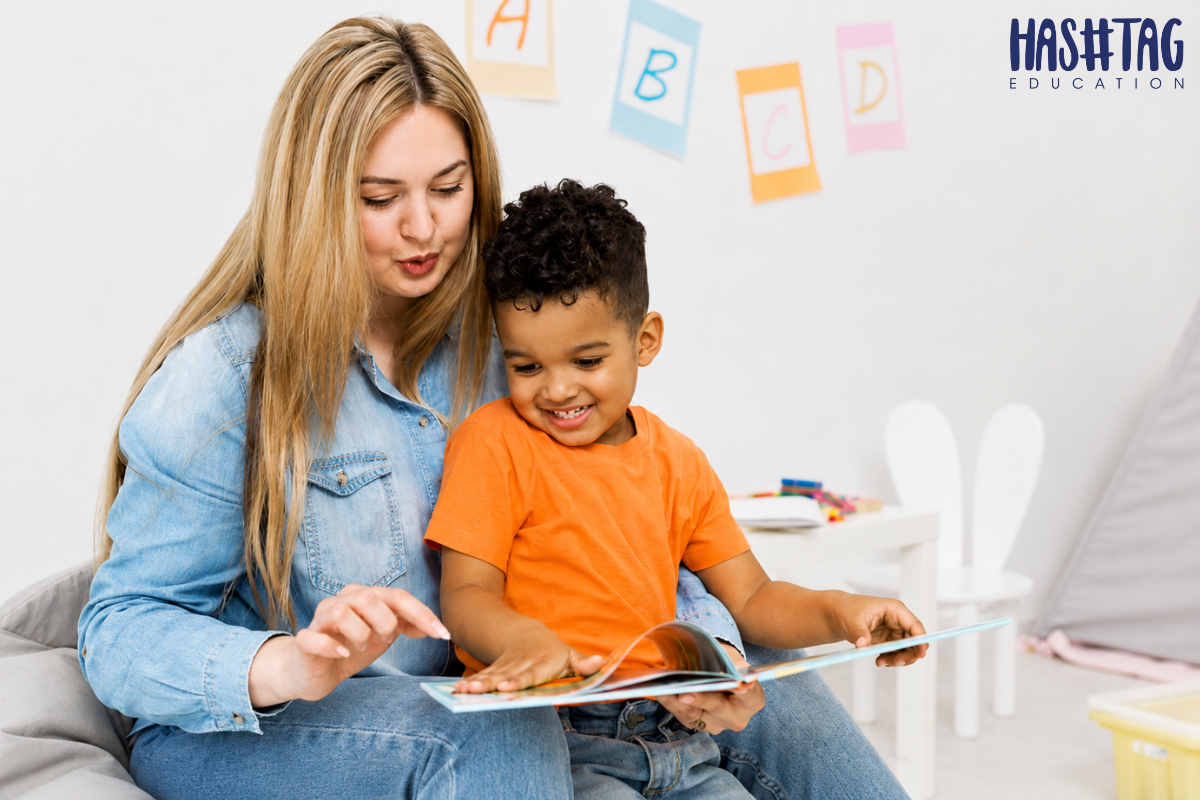
Teach English to Kids at Home India: The Simple Daily Habits Approach Teach English to kids at home India is one of the most searched phrases among parents of preschoolers, and for good reason. English proficiency continues to open doors to better academic opportunities, confidence, and communication skills in modern India. Yet many parents either pressure children with formal drills or depend completely on tuition classes and apps. The truth is much simpler. The best way to teach English to kids at home India is through small daily habits built into normal family life. A parent who consistently talks, reads, sings, and plays in English for even 20 minutes daily often creates stronger language foundations than long tuition classes once or twice a week. Why Teach English to Kids at Home India Through Daily Interaction Preschool children learn language through exposure and repetition, not grammar lessons. They absorb patterns naturally by hearing words used in meaningful situations. This is why children growing up in bilingual homes often learn two languages effortlessly. When parents teach English to kids at home India through conversation, storytelling, and play, children develop stronger listening and speaking confidence. The home environment also gives children something no classroom can fully provide: emotional comfort and personal attention. Research from NCERT and early childhood education studies consistently shows that children between the ages of 2 and 5 learn language fastest through responsive interaction with trusted adults. 10 Daily Habits to Teach English to Kids at Home India Habit 1: Morning Narration Describe simple morning routines in English. “Let us brush your teeth.”“Now wear your blue shirt.”“Time for breakfast.” This habit helps children hear complete English sentences every day. Repetition gradually builds vocabulary and sentence understanding. Habit 2: The Object Naming Game Choose 3 to 5 objects daily and name them in English. Spoon.Chair.Bottle.Window. Touch the object while saying the word clearly. Encourage your child to repeat naturally without pressure. This is one of the easiest ways to teach English to kids at home India because it connects words with real objects children already know. Boost STEM learning and creativity with this exciting Aeroplanes Launcher Toy for kids. Build, launch, and enjoy hours of screen-free fun. 👉 Shop now: https://amzn.to/4nixN6N Habit 3: English Story Time Read one English picture book every day for 10 minutes. Point to pictures and ask simple questions: You do not need to read every line perfectly. Even simple storytelling in English helps children develop listening and comprehension skills. Habit 4: Songs and Rhymes English rhymes are powerful language tools because music improves memory and pronunciation. Songs like: help children remember vocabulary naturally. Many parents who teach English to kids at home India use rhymes because children enjoy repeating songs without feeling like they are studying. Habit 5: Ask Questions in English Use simple English questions throughout the day. “Where is your toy?”“What are you eating?”“Who gave you this?” Allow your child to answer in any language at first. Gradually, English responses begin naturally. Habit 6: Label Household Objects Place labels around the house: Children repeatedly seeing written words helps build early reading familiarity. This simple strategy works extremely well when you teach English to kids at home India through visual exposure. Habit 7: Bedtime Vocabulary Habit Introduce one new English word every night. “Magnificent.”“Gentle.”“Bright.” Explain the meaning simply and use it in a sentence. Bedtime learning often creates stronger memory retention because children are calm and focused. Loved these ideas? Let’s bring them to life beyond the screen!Discover Blueberry workbooks & box sets designed for joyful, hands-on learning.🛒 Shop Now: https://hashtageducation.in/collections/box-set Habit 8: Cooking Commentary Talk in English while cooking together. “I am cutting tomatoes.”“Can you count the potatoes?”“This carrot is orange.” Cooking naturally combines vocabulary, counting, colours, and conversation in one activity. Habit 9: English Play Time Keep 10 minutes daily for English pretend play. “You are the doctor.”“I am the patient.”“What medicine will you give me?” Role play is one of the most effective ways to teach English to kids at home India because it develops confidence and real conversational skills. Habit 10: Workbook Practice Use structured workbook activities for 10 to 15 minutes daily. Our Blueberry English workbooks help children practise: Workbook learning works best when combined with conversation and play. What If Your English Is Not Perfect? Many parents hesitate to teach English to kids at home India because they are not fully confident in their own English skills. But your English does not need to be perfect. What matters most is regular exposure and confidence. A parent who speaks simple English daily provides far more language learning than occasional formal classes. Children naturally improve grammar and pronunciation later through reading, school, and interaction. The confidence they gain from hearing English at home is far more important in the early years. Read Also: Fun Ways to Teach Phonics in India: 8 Powerful Activities The Timeline of Progress Weeks 1 to 4 Your child mostly listens and understands English but responds in the home language. Months 2 to 3 Your child begins mixing English words into daily speech. Months 4 to 6 Simple English sentences begin: Months 6 to 12 Children begin speaking naturally in short English conversations and using vocabulary confidently. Teach English to Kids at Home India Without Pressure The biggest mistake parents make is turning English into pressure. Preschool children learn best when language feels connected to love, play, stories, and daily life. The goal is not perfect grammar at age 3 or 4. The goal is confidence, curiosity, and comfort with language. When you teach English to kids at home India through consistent daily habits, children slowly build speaking, listening, reading, and vocabulary skills naturally without fear or stress.
Fun Ways to Teach Phonics in India: 8 Powerful Activities
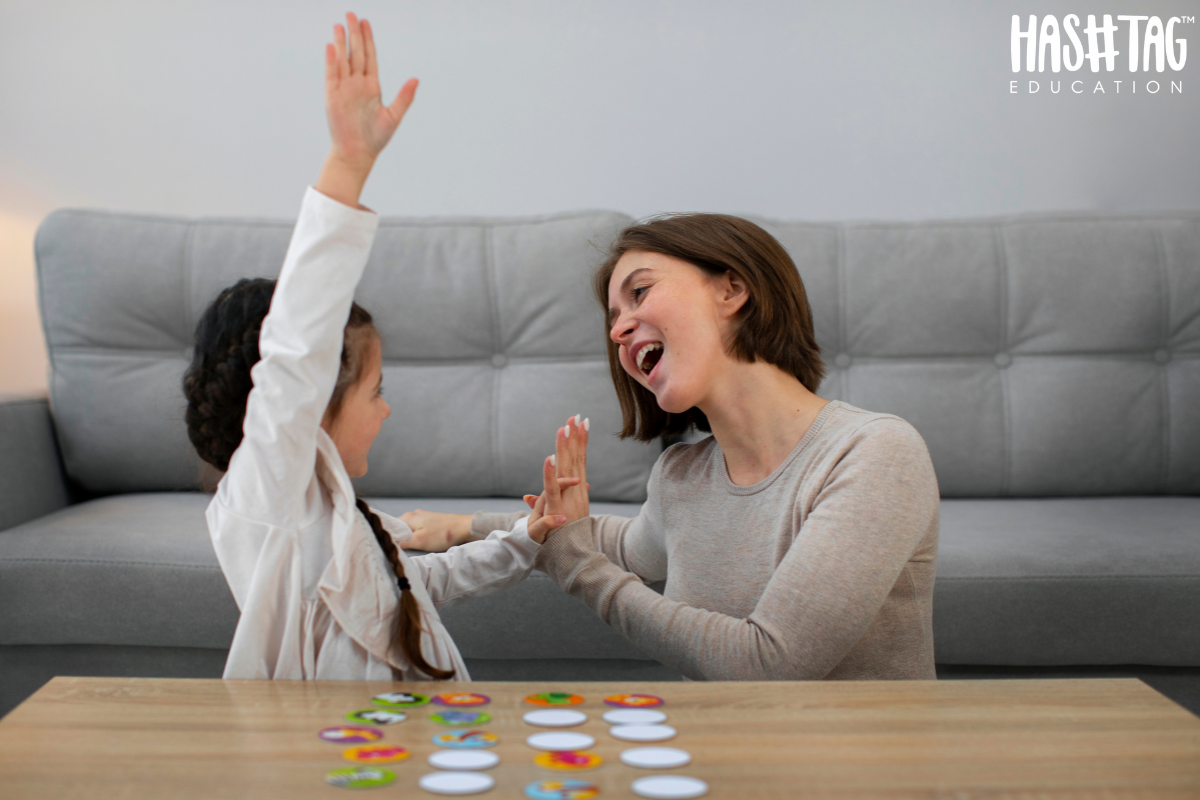
Fun Ways to Teach Phonics in India: Sound Before Letters, Always Fun ways to teach phonics in India are becoming increasingly important for parents who want to build strong reading foundations at home without pressure or rote learning. Traditional letter-name teaching (A for Apple, B for Ball) is not actually phonics. Phonics is about sounds, not names. A child who knows the letter name “bee” cannot sound out the word “bat”. A child who knows the letter sound buh can blend buh-ah-tuh into bat, and that is reading. This distinction matters enormously, and most Indian parents, schools, and even some educational apps get it wrong. They teach letter names first and wonder why the child struggles with reading later. The evidence-based approach validated by reading researchers worldwide and endorsed by NEP 2020 is sounds first, letters second, blending third. That is why fun ways to teach phonics in India should focus on playful sound awareness before formal reading instruction. Here are 8 activities that build genuine phonics skills at age 3, through play, at home, using items you already have. Why Age 3 Is the Right Time Most children develop phonemic awareness, the ability to hear and manipulate individual sounds in words, between ages 2.5 and 4. At age 3, the brain’s auditory processing centres are particularly receptive to sound-discrimination training. This is the developmental window where fun ways to teach phonics in India produce the strongest results because children naturally absorb sounds through play, music, and conversation. That is why fun ways to teach phonics in India should focus on listening, rhyming, and blending activities instead of memorising alphabet names too early. When phonics learning feels playful and pressure-free, children build stronger reading foundations naturally. You are not too early. You are not too late. You are right on time to start using fun ways to teach phonics in India at home. 8 Fun Ways to Teach Phonics in India That Actually Build Skills Activity 1: The Sound Detective Say a sound: sssss. Now hunt around the house for objects that start with that sound. Soap, spoon, shoe, socks, sun (point to the window). The child learns to connect a sound to real objects, which is the cognitive bridge between hearing a sound and recognising it as the start of a word. Start with continuous sounds (sss, mmm, fff, rrr) that can be stretched. These are easier for young children to isolate than stop sounds (buh, kuh, tuh). Activity 2: Beginning Sound Sorting Collect 6 to 8 small objects that start with 2 different sounds. For example: ball, banana, button (buh) and map, mouse, mango (mmm). Put two bowls on the table. Label one with the sound buh and one with mmm. Have your child sort the objects by their starting sound. This builds phonemic categorisation, the ability to group words by their sound properties. Help your child improve memory, focus, and problem-solving skills with this fun matching game for ages 3+. A perfect screen-free learning activity for preschoolers. Shop now 👉 https://amzn.to/42jolGP Activity 3: Rhyme Time Game Say a word. Can your child find a rhyme? Cat hat, bat, sat, mat. If they cannot rhyme yet, give options: Does cat rhyme with hat or dog? Rhyming teaches children that words share sound patterns. This awareness of sound patterns is directly predictive of reading success. Fun ways to teach phonics in India often work best when learning feels playful and natural, and rhyming games are perfect for this. Activity 4: Sound Stretching Pick a simple three-sound word. Stretch it out slowly: fffff-iii-shhhh (fish). Can your child guess the word? Start with words your child already knows. Make it easier by showing the object while you stretch the sounds. Make it harder by stretching words without visual clues. This is a blending practice of the core phonics skill. A child who can blend sounds into words can decode unfamiliar text. Activity 5: Clap the Sounds Take any word your child knows. Clap once for each sound. Dog: d-o-g three claps. Ship: sh-i-p three claps (sh is one sound, not two). Fish: f-i-sh three claps. This is segmentation, the inverse of blending. Blending builds reading skills. Segmentation builds spelling skills. Both are essential. Loved these ideas? Let’s bring them to life beyond the screen!Discover Blueberry workbooks & box sets designed for joyful, hands-on learning.🛒 Shop Now: https://hashtageducation.in/collections/box-set Activity 6: Sandpaper Letter Tracing Cut letters from sandpaper and glue them onto cards. Have your child trace the letter with their finger while you say the sound (not the name). Running their finger over the rough texture creates a tactile memory that reinforces the visual and auditory memory. This is a classic Montessori technique. You can make it at home in 20 minutes or buy pre-made sets. Our Blueberry Level B workbooks include similar tracing activities where the child traces letter shapes while practising the corresponding sound. Activity 7: Musical Phonics Sing the letter sounds to familiar tunes. Instead of the ABC song (which teaches letter names), create a sound version: ah-buh-kuh-duh-eh-fff-guh (to the same tune). Musical memory is stronger than spoken memory; children retain sounds learned through song faster. Many fun ways to teach phonics in India use songs and rhythm because music naturally improves sound recognition and recall. Activity 8: Sound Swap Stories Tell a tiny story where one sound changes the meaning. The cat sat on the mat. But what if the cat sat on the bat? What is a bat? And what if the bat sat on the hat? Each sound swap creates a new word and a new image. The child practises hearing the difference that a single sound makes, the most fundamental phonics skill. Make the stories silly. The sillier, the more memorable. What Comes After These Fun Ways to Teach Phonics in India Once your child can identify beginning sounds, rhyme consistently, blend three-sound words, and segment words into individual sounds, they are ready for formal letter-sound correspondence, connecting each sound to its written letter.

Best Online Learning Platform for UKG Preparation India: 5 Must-Haves
Best Online Learning Platform for UKG Preparation India: What Parents Should Actually Look For The best online learning platform for UKG preparation in India is a high-stakes search for parents of 4 to 5-year-olds. UKG Upper Kindergarten is the final year before formal schooling begins, and parents understandably want their child to enter Class 1 with confidence, competence, and comfort. The right online platform can make this transition smooth. The wrong one can create gaps that take years to fill. But with dozens of platforms competing for your attention, how do you separate genuine educational value from polished marketing? Here are 5 non-negotiable features to check, based on what educational research says actually matters for school readiness. UKG Readiness for the Best Online Learning Platform in India Before choosing the best online learning platform for UKG preparation in India, parents should first understand what schools actually expect from a child entering Class 1. The expectations fall into five domains. Academic readiness: recognises all letters, both upper and lowercase, writes their name, reads simple three-letter words, counts to 100, performs basic addition and subtraction, and writes numbers legibly. Motor readiness: holds a pencil with a mature tripod grip, writes on ruled lines, cuts with scissors along curves, and draws recognisable shapes and figures. Social-emotional readiness: separates from parents without prolonged distress, follows group instructions, waits for turns, cooperates on tasks, and expresses needs verbally. Self-care readiness: uses the toilet independently, opens and closes water bottles and tiffin boxes, and manages the school bag and uniform. Cognitive readiness: follows three-step instructions, sustains attention for 15 to 20 minutes, and solves age-appropriate problems independently. A quality online learning platform should address at least the first three domains directly. 5 Must-Have Features Feature 1: Complete Curriculum Coverage Across All Subjects The best online learning platform for UKG preparation in India should cover English, Hindi, Mathematics, Environmental Studies, and Creative Expression. English should include cursive letter introduction, three-letter and four-letter words, and simple sentence reading. Hindi should include consonants, vowels, simple words, and basic reading. Mathematics should include number operations to 100, addition and subtraction within 20, measurement concepts, and time and money awareness. EVS should include seasons, festivals, the human body, community, and transportation. Our Go Learn UKG course covers all five areas with 50+ structured modules that progress from foundational skills to school-ready competence. Feature 2: Progressive Difficulty With Milestone Tracking The platform should not present random content at a single difficulty level. It should start where your child currently is and build systematically toward school-ready benchmarks. The best online learning platform for UKG preparation in India should also show a visible progression map so parents can track their child’s journey from current skills to target skills. Our platform provides milestone markers that help parents see exactly which skills their child has mastered and which need more practice. Loved these ideas? Let’s bring them to life beyond the screen!Discover Blueberry workbooks & box sets designed for joyful, hands-on learning.🛒 Shop Now: https://hashtageducation.in/collections/box-set Feature 3: Integration With Physical Learning Materials Digital learning alone does not build handwriting, pencil grip, or paper-based test readiness. The best UKG platforms connect to physical workbooks, worksheets, and practice materials. Our platform is specifically designed to work alongside the Blueberry Level C Box Set. Digital courses introduce concepts, worksheets provide paper-based practice, and workbooks give structured writing and drawing exercises that build motor skills that digital content cannot. This is why the best online learning platform for UKG preparation in India should combine digital learning with offline practice. Feature 4: Appropriate Screen Time Design A UKG child should not sit in front of a screen for 30 minutes or more continuously. Quality platforms design modules in 10 to 15-minute segments with natural stopping points that encourage the child to move to offline activities. Sessions should include active participation such as answering questions, making choices, and solving problems. Passive video watching may entertain children, but it does not build strong school readiness. The best online learning platform for UKG preparation in India should support focused, interactive, and age-appropriate screen time. Feature 5: School Readiness Assessment Without Exam Pressure The platform should provide parents with a clear picture of their child’s readiness without subjecting the child to formal tests. Observation-based progress reports, skill checklists, and developmental milestone trackers give parents actionable information without creating anxiety. NEP 2020 explicitly discourages formal examination before age 8, and any platform that tests UKG children with pass-fail assessments is not aligned with current educational best practice. Evaluate the Best Online Learning Platform for UKG in 15 Minutes Sign up for a trial. Watch your child use the platform for 15 minutes. Observe three things. Does your child engage actively by touching, answering, and reacting, or passively by staring? Active engagement means the platform is designed for learning. Passive staring means it is designed for entertainment. Does the content match your child’s current level? If it is too easy, there is no challenge. If it is too hard, there is only frustration. The sweet spot is content that requires effort but allows success. Does the platform suggest what to do next? A quality platform guides the learning journey rather than leaving parents to figure out the sequence. These small checks can help parents identify the best online learning platform for UKG preparation in India without depending only on advertisements. Why We Built the Best Online Learning Platform for UKG We designed the UKG programme at learning.hashtageducation.in because we saw a gap. Most online platforms for young children stop at basic letter and number recognition. They do not provide the full school readiness curriculum that UKG demands: cursive pattern introduction, reading fluency practice, mathematical operations, environmental studies, and creative expression. Our UKG course covers all of these in a progressive, play-based format that prepares children for the academic expectations of Class 1 while maintaining the joy of learning that NEP 2020 champions. Read Also: 5 ways to help set your child up for future success The
Screen Time Activities for Toddlers: 12 Powerful Yet Easy Ideas
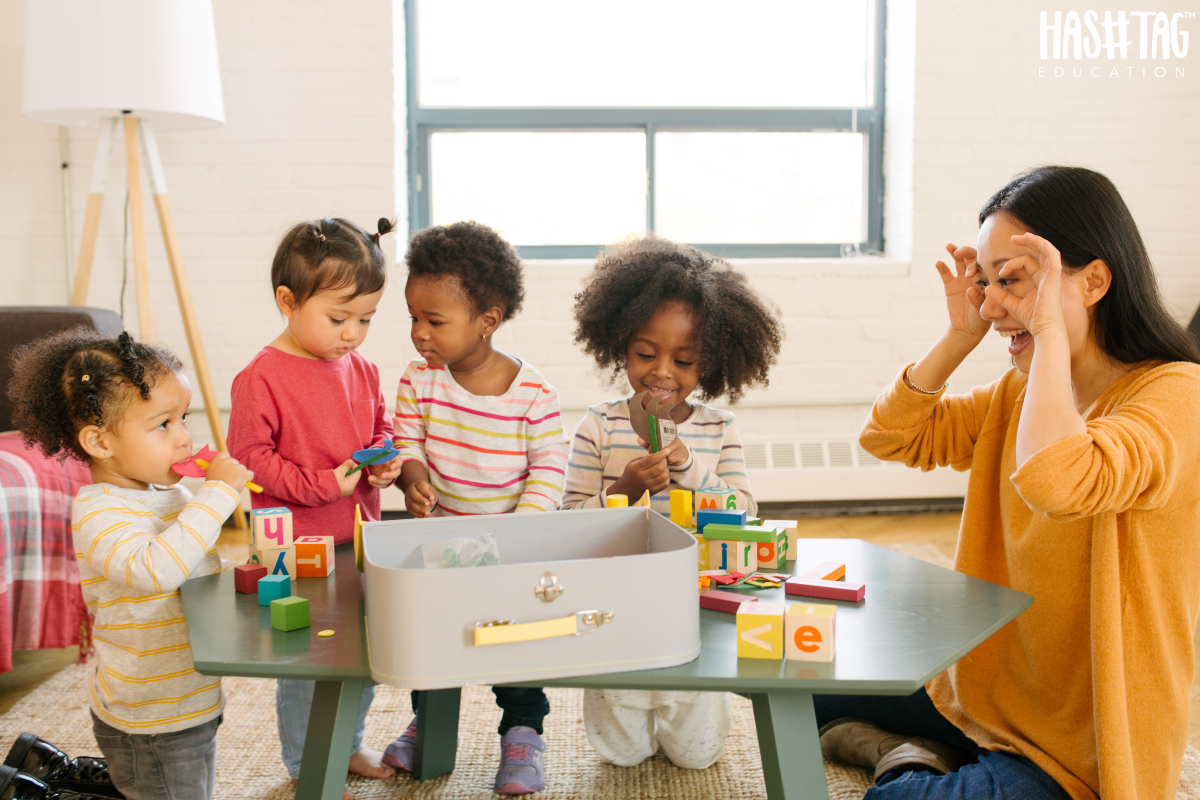
Why Screen Time Activities for Toddlers Matter Screen time activities for toddlers in India have become one of the most searched parenting topics in recent years. Parents today are caught between two realities: the convenience of handing over a phone during stressful moments and the growing concern around excessive screen exposure during early childhood. Research increasingly shows that too much passive screen time can affect attention span, language development, and emotional regulation in young children. The Indian Academy of Pediatrics recommends zero screen time for children under 18 months and a maximum of one hour per day for ages 2 to 5. Yet the average Indian toddler now spends over 3 hours per day on screens. The challenge is not awareness; most parents already know screen limits matter. The real struggle is finding screen time activities for toddlers in India that actually keep children engaged during cooking, cleaning, travel, or busy workdays. This guide shares 12 simple, realistic solutions that parents can use immediately using everyday household items. Why Screens Are So Hard to Replace Screens are engineered for engagement. The flashing colors, rapid scene changes, sound effects, and infinite content scrolling are designed by teams of psychologists and UX designers to maximize attention capture. A wooden block cannot compete with that level of stimulation, and it should not try. This is why many parents today are actively searching for screen time activities for toddlers in India that encourage healthier and more meaningful engagement. The goal of screen alternatives is not to match the stimulation level of a screen. It is to redirect the child’s attention toward activities that build skills while providing enough engagement to sustain independent play. The best screen time activities for toddlers in India focus on creativity, motor skills, problem-solving, and independent exploration rather than passive consumption. The activities below are ordered by setup time, from fastest to longest. 12 Screen Time Activities for Toddlers in India Alternative 1: The Sticker Sheet (Setup: 30 seconds) Hand your child a sheet of stickers and a piece of paper. Peeling stickers develops pincer grip. Placing them develops hand-eye coordination. Arranging them develops spatial planning. A single sticker sheet provides 10 to 15 minutes of focused, screen-free engagement. Keep a stash of sticker sheets in your bag for restaurants and car rides. Alternative 2: Playdough on a Plate (Setup: 1 minute) One ball of playdough and a few household tools: a fork, a plastic knife, a garlic press. Squishing, rolling, cutting, pressing, and shaping build every fine motor muscle in the hand. Playdough is the single most effective fine motor development tool available, and it keeps toddlers occupied for 20 or more minutes. Loved these ideas? Let’s bring them to life beyond the screen!Discover Blueberry workbooks & box sets designed for joyful, hands-on learning.🛒 Shop Now: https://hashtageducation.in/collections/box-set Alternative 3: The Water Pouring Station (Setup: 2 minutes) A tray, two cups, and a small jug of water. Place it on the floor (for easy cleanup). Let your child pour back and forth. Add food coloring for extra engagement. Water pouring develops concentration, motor control, and cause-and-effect understanding. Keep a towel nearby. Alternative 4: The Treasure Basket (Setup: 1 minute) Fill a basket or box with 10 to 15 interesting household objects: a wooden spoon, a metal cup, a sponge, a tennis ball, a chain of keys, a silk scarf, a pine cone. Let your child explore freely. Each object has a different weight, texture, temperature, and sound. This is sensory exploration without mess. Alternative 5: The Drawing Station (Setup: 1 minute) Tape a large piece of paper to the floor or table. Put crayons or markers beside it. Leave the child. No instructions. No model to copy. Just an open-ended drawing. Children aged 2 to 4 can sustain independent drawing for 10 to 15 minutes if there is no adult directing the activity. Alternative 6: The Book Basket (Setup: 30 seconds) Place 5 to 7 picture books in a basket within reach. Children who have a positive association with books will independently flip through them, look at pictures, and narrate their own stories. If your child does not yet gravitate toward books, build the habit through daily story time first. Our Dino series picture books are designed with bold, engaging illustrations that hold toddlers’ attention even during independent viewing. Alternative 7: The Building Challenge (Setup: 1 minute) Blocks, Lego, or even plastic containers and cardboard boxes. Challenge: Can you build a tower taller than the teddy bear? The challenge format adds purpose to open-ended building, extending engagement time from 5 minutes to 15 or more. Alternative 8: The Sorting Bowl (Setup: 1 minute) A muffin tin and a bag of mixed objects: buttons, pasta shapes, small toys, coins. Sort by colour, size, type, or any rule the child invents. This is mathematics disguised as play. Alternative 9: The Cutting Station (Setup: 2 minutes) Child-safe scissors and strips of paper with drawn lines. Start with straight lines, then wavy, then zigzag. Cutting builds hand strength, bilateral coordination, and sustained focus. Alternative 10: The Tape Road (Setup: 2 minutes) Use masking tape to create a road on the floor. Your child drives toy cars along it. Add junctions, parking spots, and roundabouts. This builds spatial awareness, fine motor control, and imaginative play. Alternative 11: The Transfer Game (Setup: 1 minute) Two bowls, a spoon, and dry pasta or beans. Transfer the pasta from one bowl to another using the spoon. This is a classic Montessori practical life activity that builds concentration, motor control, and patience. Alternative 12: The Workbook Page (Setup: 30 seconds) Open a workbook to an appropriate page and place a crayon beside it. Our Blueberry workbooks are designed as screen time activities for toddlers in India that encourage structured, hands-on learning without passive screen exposure. These screen time activities for toddlers in India require just enough adult involvement (a parent sitting nearby) while allowing children to work with increasing independence. Each page takes 5 to 10 minutes and
Printable Worksheets for LKG: 7 Powerful Yet Smart Picks
Printable Worksheets for LKG: How to Choose the Right Ones Printable worksheets for LKG students PDF India is one of the highest-volume education searches among Indian parents of 3 to 4-year-olds. The demand makes sense; printable worksheets for LKG students in India provide structured, offline practice that complements both school learning and digital courses. A good worksheet bridges the gap between what your child learns on screen or in the classroom and what they can demonstrate independently on paper. But the internet is flooded with low-quality, unstructured worksheet PDFs that are either too easy (colouring pages disguised as learning), too hard (Class 1 content repackaged for LKG), or educationally unsound (random pages with no progressive structure). This guide helps you identify quality resources and use printable worksheets for LKG students in India effectively at home. What LKG Worksheets Should Cover A well-structured LKG worksheet set should cover five core areas aligned with Indian preschool curricula across CBSE, ICSE, and state boards. English Upper and lowercase letter recognition and formation. Beginning phonics: identifying the starting sound of common words. Simple sight words are, am, I, my, ” and ” the. Picture-word matching connects images to their names. Tracing and writing practice with properly formed letter models. Mathematics Number recognition and writing from 1 to 50. Counting objects with one-to-one correspondence. Basic addition and subtraction concepts using visual aids. Shape identification: circle, square, triangle, rectangle, oval. Simple patterns AB, ABB, and ABC pattern completion. Comparison: bigger or smaller, more or less, taller or shorter. Hindi Vowel and consonant recognition swar and vyanjan. Hindi letter tracing and formation. Simple Hindi word recognition with picture support. Hindi number recognition from 1 to 20. Loved these ideas? Let’s bring them to life beyond the screen!Discover Blueberry workbooks & box sets designed for joyful, hands-on learning.🛒 Shop Now: https://hashtageducation.in/collections/box-set General Awareness / Environmental Studies Animals and their homes. Fruits and vegetables identification. Body parts. Seasons and weather. Community helpers: doctor, teacher, farmer, and police. Art and Fine Motor Colouring within boundaries with increasing precision. Cutting along straight and curved lines. Drawing from reference copy, simple shapes and objects. Free drawing and creative expression pages. What to Look For in Any Worksheet Source Progressive difficulty within each subject page should get gradually harder, not randomly fluctuate. Clear, age-appropriate font and layout. LKG children need large letters, wide spacing, and uncluttered pages. Indian cultural context worksheets that use Indian names, Indian objects, and Indian scenarios are more relatable than imported content. High print quality line weights should be consistent, images should be clear at standard printer resolution, and sufficient white space should exist for writing. Red Flags in Worksheet Quality Random pages with no sequence or progression. Content that is clearly designed for older children and repackaged as LKG. Worksheets with tiny print, cramped spacing, or cluttered layouts. Entirely passive pages (just colouring) with no cognitive challenge. Culturally irrelevant content, such as worksheets about snow days and Thanksgiving, is not designed for Indian children. How to Use Worksheets Effectively With Your LKG Child The 15-Minute Rule LKG children should spend no more than 15-20 minutes per worksheet session. If your child shows signs of frustration, fatigue, or disinterest before the time is up, stop. Pushing through creates negative associations with paper-based learning that persist for years. The Progression Principle Start each week with the easiest worksheet in a set and progress to harder ones. This creates a success trajectory; your child begins each session feeling confident, which motivates them to attempt harder pages. The Discussion Enhancement Do not just hand the worksheet and walk away. Sit beside your child and discuss what they are doing. What letter is this? What sound does it make? Can you think of a word that starts with this sound? How many objects do you see? The conversation around the worksheet is where the deepest learning happens; the worksheet itself is just the catalyst. The Integration Approach Connect worksheets to digital learning and real life. If your child completes a worksheet on fruits, go to the kitchen and identify the same fruits. If they practise the letter B on paper, find things that start with B around the house. Our Go Learn courses are designed to be used alongside worksheets. The digital course introduces a concept, the worksheet provides practice, and the real-world extension cements understanding. Read Also: Indoor games that support your child’s development Printing Tips for Indian Parents Use A4-size paper with standard 75 to 80 GSM, the same quality as regular printer paper. Print in colour when possible, especially for younger children, where visual engagement matters. If printing in black and white, choose worksheets with bold outlines that remain clear without colour. Laminate frequently-used worksheets (like tracing practice) so they can be used with dry-erase markers and reused multiple times. Building a Worksheet Routine A sustainable worksheet routine for LKG children looks like this. Monday to Friday: one 15-minute session using printable worksheets for LKG students, PDF India, alternating subjects. Monday is English, Tuesday is Maths, Wednesday is Hindi, Thursday is General Awareness, and Friday is Art and Motor Skills. Following a structured plan with printable worksheets for LKG students, PDF India helps build consistency and keeps learning simple and effective. Weekends: no worksheets. Weekends should be for unstructured play, outdoor time, and family activities. This balance ensures that printable worksheets for LKG students PDF India remain engaging and do not feel like a burden for your child.
NEP 2020 Preschool Curriculum Activities for Parents: 7 Powerful Yet Simple Ideas
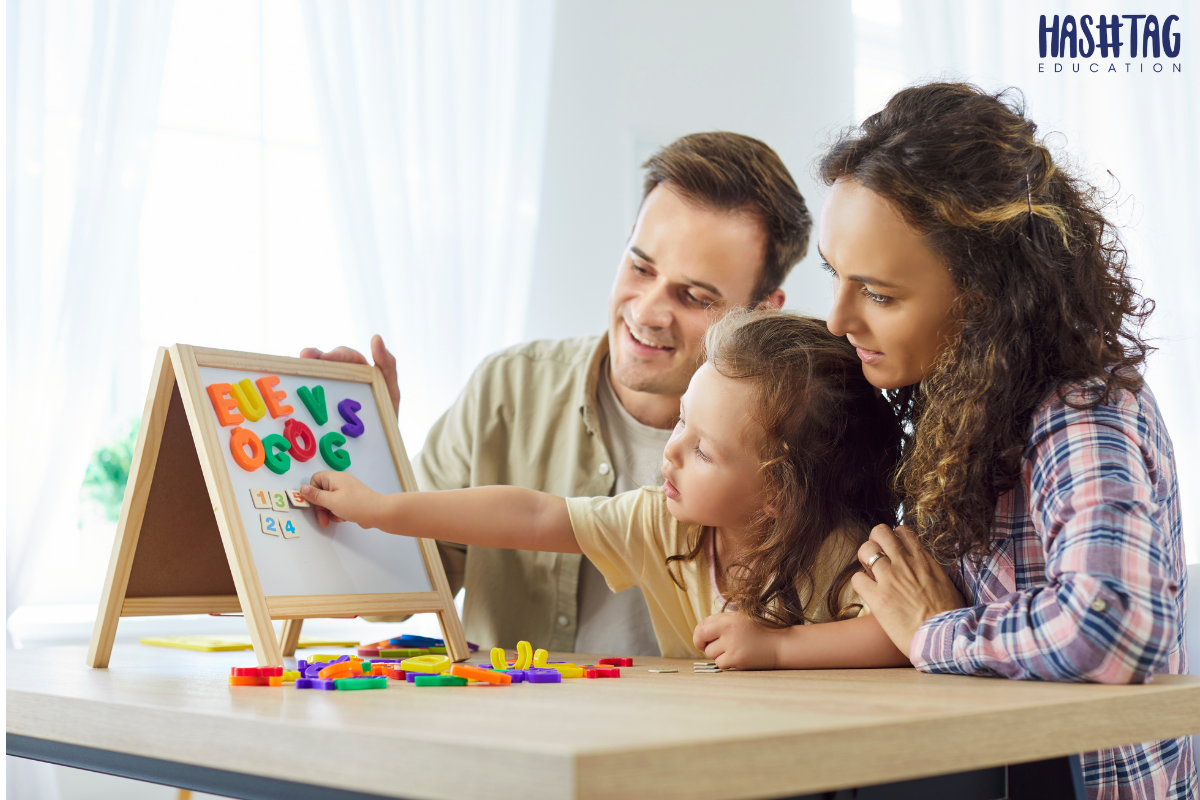
NEP 2020 Preschool Curriculum Activities for Parents Explained Simply NEP 2020 preschool curriculum activities for parents search query barely existed two years ago, and is now one of the fastest-growing education searches in India. The reason is simple: the National Education Policy 2020 fundamentally changed what preschool education is supposed to look like, and parents are scrambling to understand what this means for their children. Here is the good news: NEP 2020 does not ask parents to become teachers. It asks parents to do what many already do instinctively: play with their children, talk to them, read to them, and let them explore. The policy validates these approaches as legitimate, essential education. What NEP 2020 Actually Says About Preschool The policy introduces a 5+3+3+4 school structure where the first stage, the Foundational Stage, covers ages 3 to 8. This is revolutionary because it officially integrates preschool into India’s formal education framework for the first time. Three core principles define the foundational stage. Learning should be play-based, activity-driven, and discovery-oriented. Assessment should be observation-based, not exam-based. Mother tongue or home language should be the primary medium of instruction in the early years. What this means in practice: if your child’s preschool is giving written homework to a 3-year-old, conducting formal tests, or teaching exclusively in English while ignoring the home language, it is not aligned with NEP 2020. 7 NEP-Aligned Activities Parents Can Do at Home Activity 1: Discovery Walks (Scientific Thinking) NEP 2020 emphasises experiential learning through exploration. Take your child on a 15-minute walk and observe together. Count the birds. Name the colours of flowers. Feel different textures: smooth bark, rough stone, soft leaf. Ask why questions: why do you think birds sit on wires? Why are some leaves bigger than others? You are building scientific thinking through guided observation. Activity 2: Storytelling in the Home Language (Language Development) NEP 2020 strongly recommends mother tongue instruction in the early years. Tell stories in Hindi, Tamil, Bengali, Marathi, or whatever language your family speaks at home. Research consistently shows that children who develop strong language skills in their mother tongue transfer those skills more effectively to English later. You are not holding them back by speaking Hindi; you are building a stronger linguistic foundation. Loved these ideas? Let’s bring them to life beyond the screen!Discover Blueberry workbooks & box sets designed for joyful, hands-on learning.🛒 Shop Now: https://hashtageducation.in/collections/box-set Activity 3: Sorting and Classifying Household Objects (Mathematical Thinking) NEP 2020 calls for activity-based numeracy development. Give your child a pile of mixed objects, such as spoons, buttons, clips, coins and ask them to sort by size, colour, or type. This is a classification of the mathematical skills that underpin everything from data analysis to algebra. No worksheets needed. Just a pile of household objects and a curious child. Activity 4: Art Without Instructions (Creative Expression) NEP 2020 values creativity as equal to literacy and numeracy. Give your child paper, crayons, and paint. Do not tell them what to draw. Do not show them a model to copy. Let them create freely. Ask them to tell you about their drawing. This open-ended creative expression builds imagination, self-confidence, and narrative skills. Guided art (copy this picture) builds motor skills. Free art builds creativity. Both matter, but NEP 2020 specifically highlights the importance of the latter. Activity 5: Cooking Together (Life Skills and Numeracy) NEP 2020 includes life skills as a formal part of the foundational curriculum. Let your child help in the kitchen, counting vegetables, pouring rice, mixing batter, and tearing lettuce. Cooking combines mathematics (counting, measuring), science (transformation, temperature), language (naming ingredients, following instructions), and motor skills (pouring, stirring, kneading) in a single meaningful activity. Activity 6: Role Play and Pretend Play (Social-Emotional Development) NEP 2020 gives equal weight to social-emotional development alongside academic skills. When your child pretends to be a doctor, teacher, shopkeeper, or parent, they are practising empathy, communication, problem-solving, and self-regulation. Set up simple role-play scenarios with household props. A chair becomes a doctor’s office. Cushions become a restaurant. Stuffed animals become students. This is not wasted time; it is NEP-aligned foundational education. Activity 7: Building and Construction (Spatial and Logical Thinking) NEP 2020 promotes hands-on, manipulative-based learning. Blocks, Lego, boxes, cushions, anything your child can stack, arrange, balance, and build develops spatial reasoning, engineering thinking, and problem-solving. Ask questions during building: what happens if you put a big block on top of a small one? How can you make it taller without it falling? Why did it fall? These questions build the scientific reasoning process that NEP 2020 values over rote answers. How Our Platform Aligns With NEP 2020 Our courses are designed to align with NEP 2020 foundational stage guidelines. Activities are play-based and interactive, ensuring children learn through exploration rather than memorisation. The curriculum progresses through developmental milestones instead of arbitrary academic benchmarks. Read Also: Indoor play ideas to stimulate young children at home Content is available in both English and Hindi, supporting the bilingual approach recommended by NEP 2020. Assessment is observation and milestone-based, never exam-based. The Treasure Chest resources also include hands-on, discovery-oriented activities that reflect the core principles of the policy. The Bigger Picture NEP 2020 is not just a policy document. It is a philosophical shift in how India thinks about early childhood education. It moves the conversation from ” What does my child know? How does my child think, feel, create, and explore? Parents who understand this shift and act on it at home give their children an advantage that lasts far beyond preschool.