

 Team Hashtag
Why Sorting and Matching Games for Toddlers Matter
Sorting Games for Toddlers are one of the easiest and most effective ways to introduce early maths skills through play. At this young age, children learn better through hands-on activities rather than formal study methods. Everyday situations can easily be turned into meaningful learning experiences.
These games help toddlers understand basic maths concepts such as classification, comparison, patterns, and one-to-one correspondence. By engaging in sorting and matching activities, children naturally build the foundation needed for advanced skills like counting and problem-solving.
Another advantage is that sorting and matching games for toddlers are simple to organise and require very little equipment, making them perfect for daily learning at home.
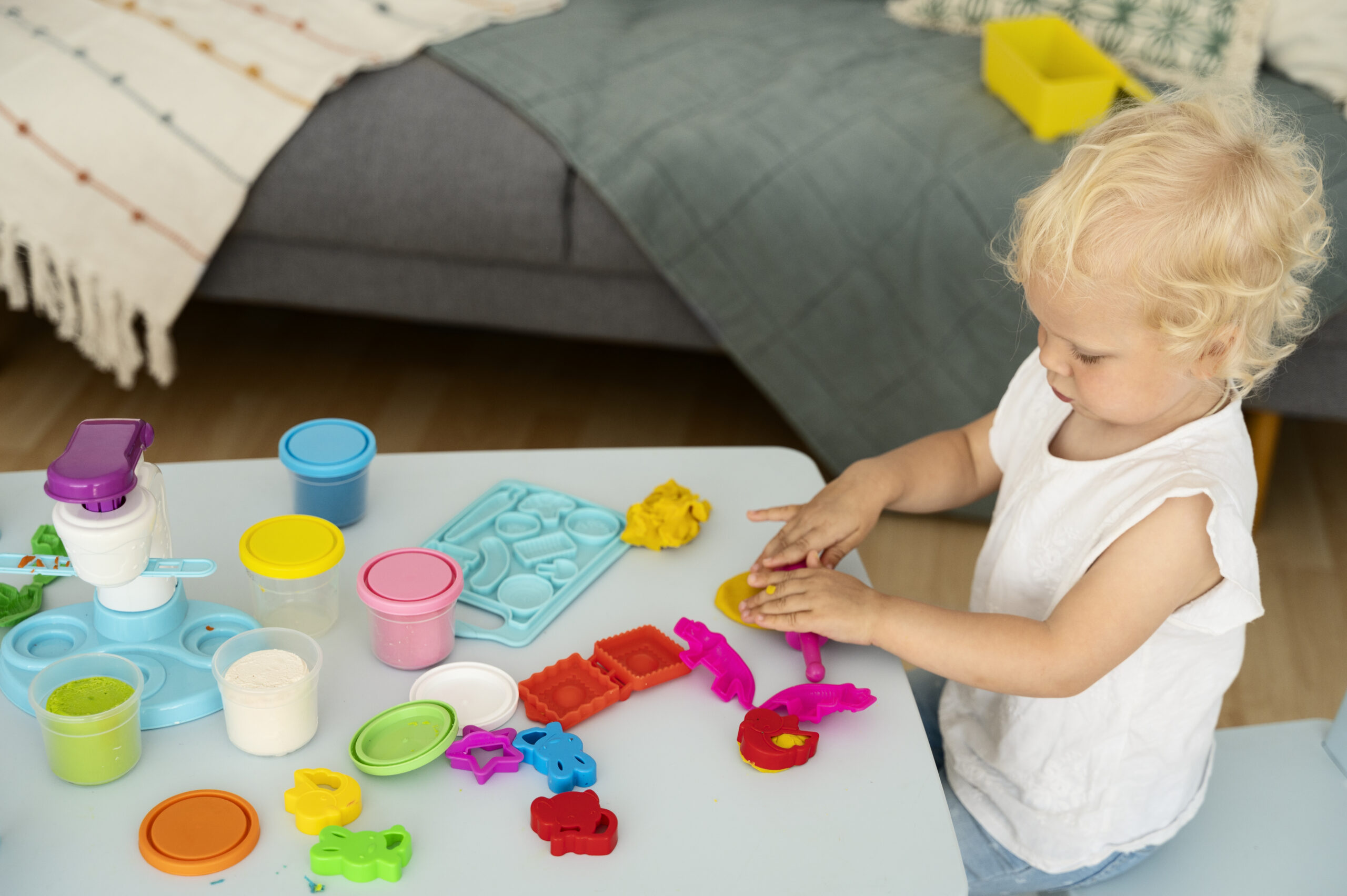
7 Sorting and Matching Games for Toddlers You Can Try at Home
1. Colour Muffin Tin Game
This game is very easy to prepare and is one of the simplest games for toddlers to learn matching and sorting. All you need to do is use a muffin tin, where coloured papers will be placed in each hole, then let your child match and sort small items such as beads or buttons by colour.
2. Sock Matching Game
Time spent on laundry can become an interesting educational game. In this matching game for toddlers, children match pairs of socks.
In this case, kids develop their visual discrimination abilities, memory, and concentration skills while engaging in a practical activity.
3. Shape Hunt Game
In this sort-and-match game for toddlers, you will only have to go round your house and spot shapes from ordinary things.
This will be like spotting circles in plates and rectangles in books. It will help children associate learning with practical life and develop their observational skills.
👉 If you liked this, explore our books and give your child a strong learning start.
🛒 Shop Now: https://hashtageducation.in/collections
4. Big and Small Sorting Game
This game helps teach toddlers about size differentiation. Provide your toddler with objects of various sizes and ask them to categorise the objects by dividing them into bigger and smaller ones.
You can even introduce them to terms such as tall, short, more, and less.
5. Fruit and Vegetable Sorting Game
The toddler fruit and vegetable sorting game makes use of actual produce. Request your toddler to segregate these according to their category.
This could also be extended to segregation based on colour or type, thus improving classifying ability as well as vocabulary.
6. Pattern Train Game
Pattern making is one of the main components of mathematical education. For this sorting-and-matching activity for toddlers, develop a pattern like red, blue, red, blue, and have your toddler replicate it.
It will aid pattern-making skill development, which is crucial for logical thinking.
7. Number Parking Game
This is a slightly more advanced sort-and-match game for toddlers. You will need toy cars and number cards. Have your toddler park the appropriate number of toy cars in each number box.
Your toddler will learn about counting, number recognition, and simple addition skills through this exercise.
How Sorting and Matching Games for Toddlers Build Maths Skills
Sorting and matching games for toddlers have a very important purpose beyond entertainment; these activities play a vital part in developing brain power. They help children:
Understand grouping and categorisation
Recognise patterns and sequences
Develop logical thinking
Improve focus and memory
As children play sorting and matching games for toddlers, they start noticing connections between objects; therefore, math begins to develop within them.
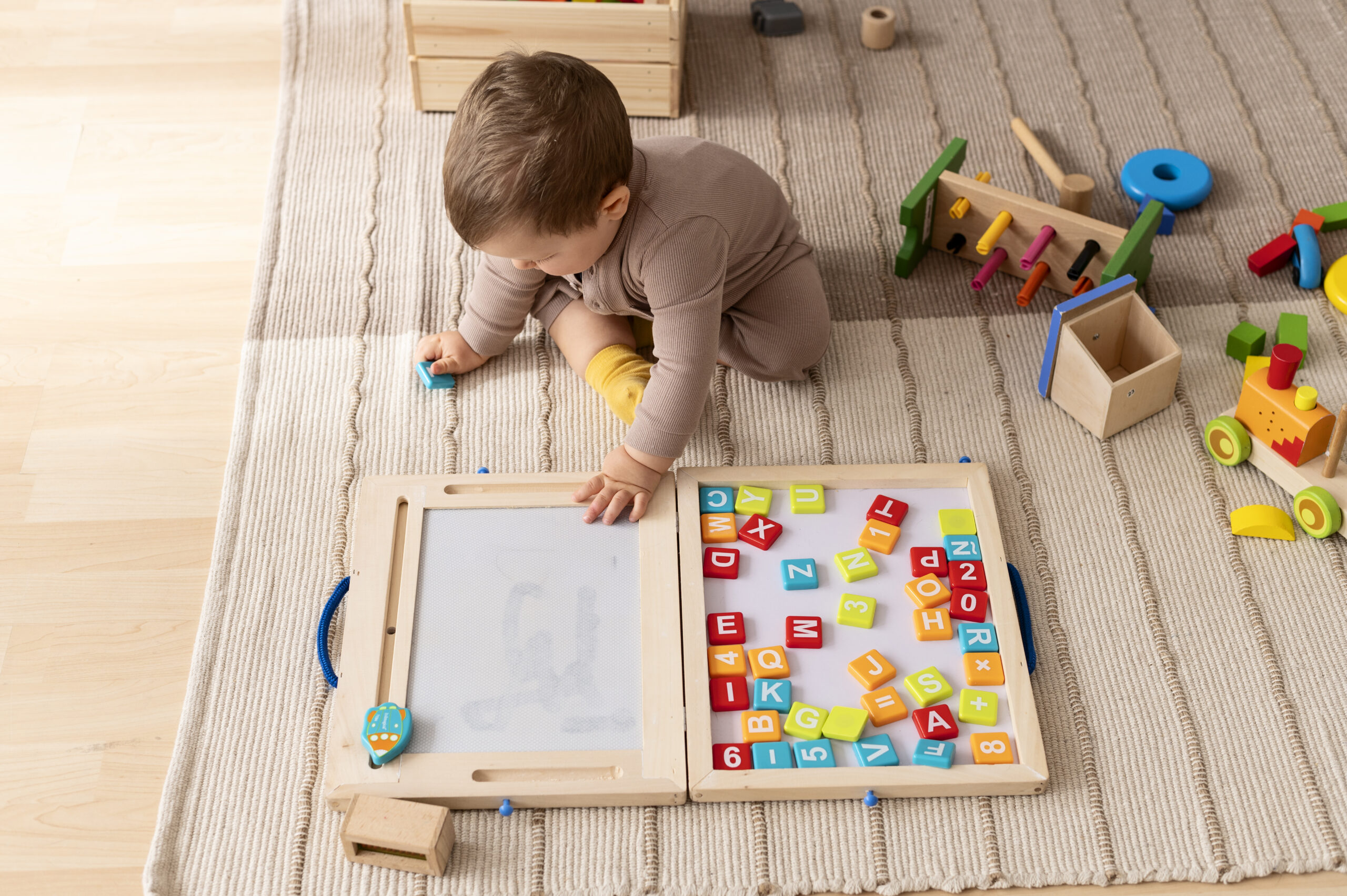
Benefits of Sorting and Matching Games for Toddlers
There are several benefits of including sorting and matching games for toddlers in daily routines:
1. Improves Cognitive Skills
These games help children think, compare, and analyse.
2. Builds Fine Motor Skills
Picking and placing objects strengthens the finger muscles needed for writing.
3. Enhances Problem-Solving Ability
Children learn to identify patterns and make decisions.
4. Encourages Independent Learning
Children start exploring and learning on their own.
Read Also: 5 fun ideas for learning through play
Tips to Make Sorting and Matching Games for Toddlers More Effective
Here are some guidelines to ensure you make full use of sorting and matching games for toddlers:
Keep sessions short (10–15 minutes)
Use bright and engaging objects
Encourage, don’t force learning
Gradually increase difficulty
Consistency is the key to success. With consistent play involving sorting and matching activities among toddlers, the child will be able to develop excellent basic skills.
Extend Learning Beyond Sorting and Matching Games for Toddlers
When your kid starts feeling confident in such activities that involve the sorting and matching of objects, you can move ahead with something more challenging.
This can include:
Interactive learning tools
Activity-based workbooks
Guided learning programs
These help reinforce concepts learned through play and prepare children for formal education.
The Importance of Early Learning Through Play
Sorting and matching activities are crucial during the initial stages of a toddler’s growth. Such basic games can teach a child how to sort, compare, and pattern – all essential concepts in math and logic.
In addition to developing cognitive skills, a child also enhances fine motor skills, concentration, and confidence when solving problems. The best thing about such games is that a child learns through play without feeling pressured.
If parents integrate such activities into a toddler’s daily life, they establish a solid foundation for future learning without causing any stress to their little one.
Are you including sorting and matching games in your toddler’s daily learning routine?