

 Team Hashtag
Music Activities for Preschoolers That Build More Than Just Fun
Music activities for preschoolers may be perceived simply as a means of amusement, but they have a far more fundamental meaning. While watching your kid clap, sing, or dance, you may be unaware of how important these seemingly trivial actions are for the cognitive development of your child’s brain.
Music activities for preschoolers work the same areas of the brain as any educational program does; in fact, they develop the very neural connections necessary for learning such disciplines as language skills or mathematics.
Why Music Activities For Preschoolers Matter
According to several research works, Music Activities for Preschoolers help tremendously in enhancing cognitive abilities. Developmental psychology indicates that the regular participation of children in activities based on rhythm helps them gain better memory, concentration, and language skills.
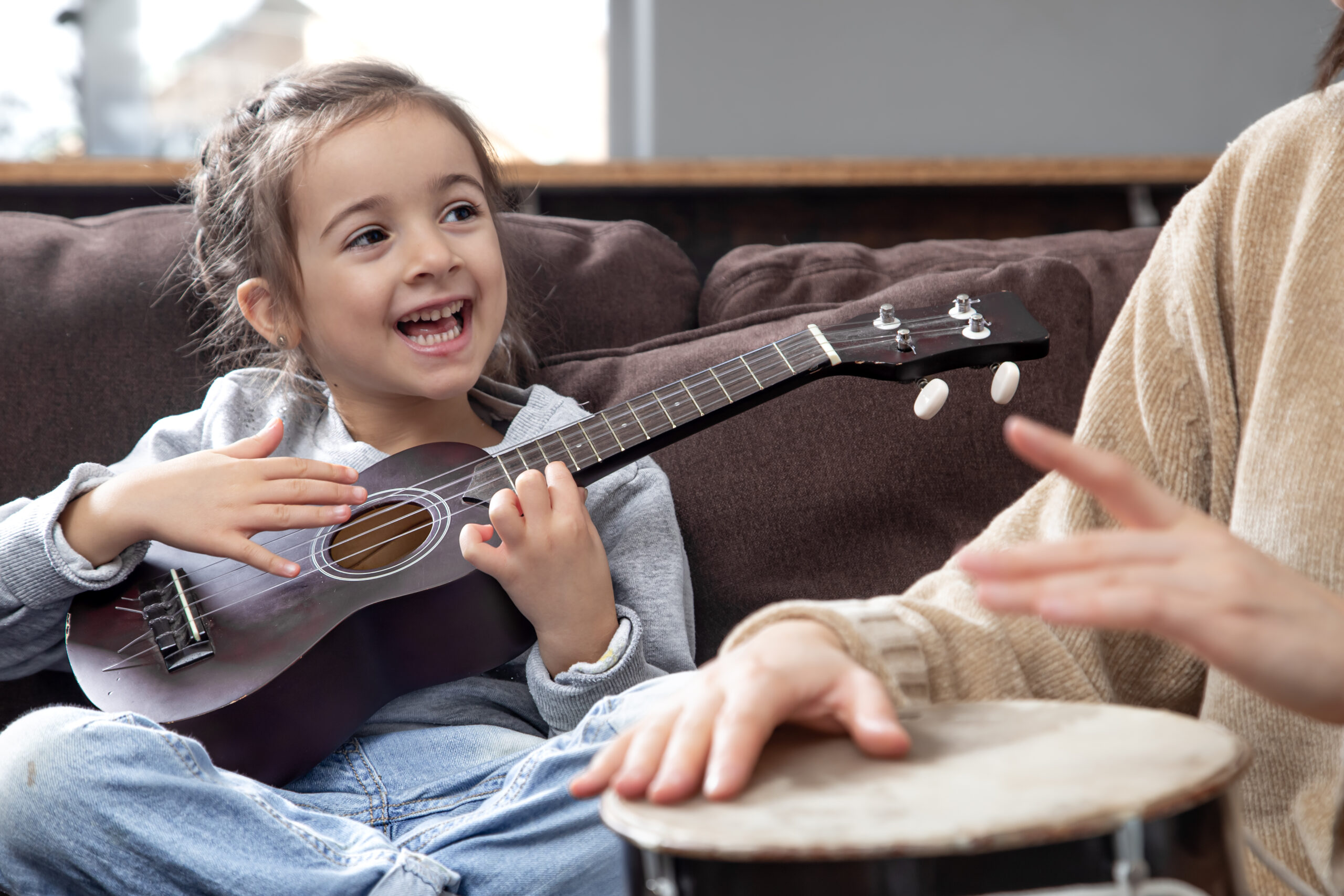
The child who claps to music understands how to recognize a pattern. The one who sings develops better vocabulary and memory. The one who dances develops better coordination and a sense of timing.
This is the reason why Music Activities for Preschoolers are much more than just play.
7 Music Activities For Preschoolers You Can Try At Home
1. Playing with Body Beats
Make use of your body to produce sound: clap your hands, slap your knees, or stomp your feet. Create a pattern for your child to imitate.
Skills that can be developed: Memory, sequencing, and coordination.
2. Making Music with Pots and Pans
Use cooking tools as instruments to experiment with different sounds.
Skills that can be developed: Creativity, sound discrimination, and science skills.
3. The Freezing Dance
Play some music and dance; when the music stops, stay still instantly.
Skills that can be developed: Self-control and focus.
Loved these ideas? Let’s bring them to life beyond the screen!
Discover Blueberry workbooks & box sets designed for joyful, hands-on learning.
🛒 Shop Now: https://hashtageducation.in/collections
4. Echo Rhythm Game
Create a rhythm pattern and encourage your child to mimic it. Make it progressively harder.
Why it develops: Develops auditory memory and focus.
5. Turning Daily Activities into Songs
Singing during your daily activities, like brushing teeth, putting toys away, or getting ready to go out.
Why it develops: Helps learn routine behaviors.
6. Syllable Clapping Activity
Clap out the syllables of words like elephant and watermelon.
Why it develops: Develops phonemic awareness and literacy skills.
7. Music and Emotions
Play music of varying genres and ask your child what emotion it evokes.
Why it develops: Helps with emotional intelligence and understanding.
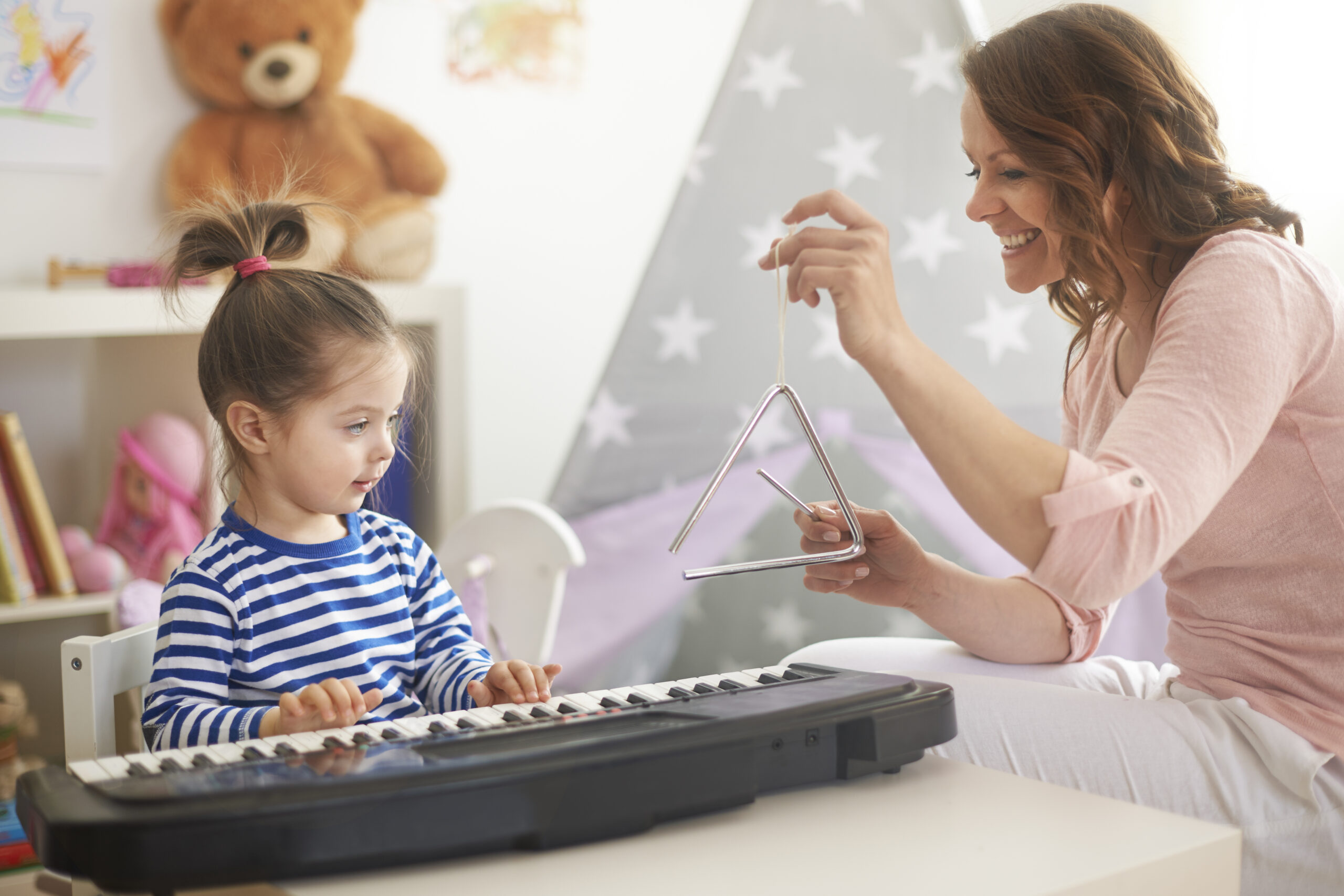
How Music Activities For Preschoolers Build Key Skills
The real power of Music Activities for Preschoolers lies in how many skills they develop at once.
Through simple activities, children improve:
Pattern recognition (important for maths)
Language and vocabulary (important for reading)
Memory and attention span
Emotional understanding
Physical coordination
Unlike worksheets or passive learning, Music Activities for Preschoolers engage the whole brain.
Why Music Activities For Preschoolers Are Better Than Drilling
Traditional learning methods often focus on repetition and memorization. But Music Activities for Preschoolers make learning interactive and enjoyable.
When children learn through music:
They stay engaged longer
They remember concepts better
They develop confidence naturally
Music combines movement, sound, and emotion, making it one of the most effective learning tools in early childhood.
How To Include Music Activities For Preschoolers Daily
You don’t need instruments or special training to use Music Activities for Preschoolers.
Simple ways to include them:
Play music during daily routines
Sing together during playtime
Use rhythm games during breaks
Encourage free movement and dance
Consistency matters more than complexity.
The Long-Term Impact Of Music Activities For Preschoolers
Children who regularly engage in Music Activities for Preschoolers often show stronger academic readiness.
They are better at:
Following instructions
Recognising patterns
Expressing emotions
Staying focused
These skills directly support success in school and beyond.
Read Also: 10 playful activities for children with disabilities
Why Musical Training is More Important Than You Realize
While Music Activities for Toddlers may sound like singing activities, they are really about laying the groundwork for future learning. Music activities are unique because they blend enjoyment with development in an unparalleled way.
When you introduce your child to rhythm and music at an early age, you will be helping your child to acquire the skills necessary in life.
Since children who learn via music don’t just learn, they feel and remember.