

 Team Hashtag
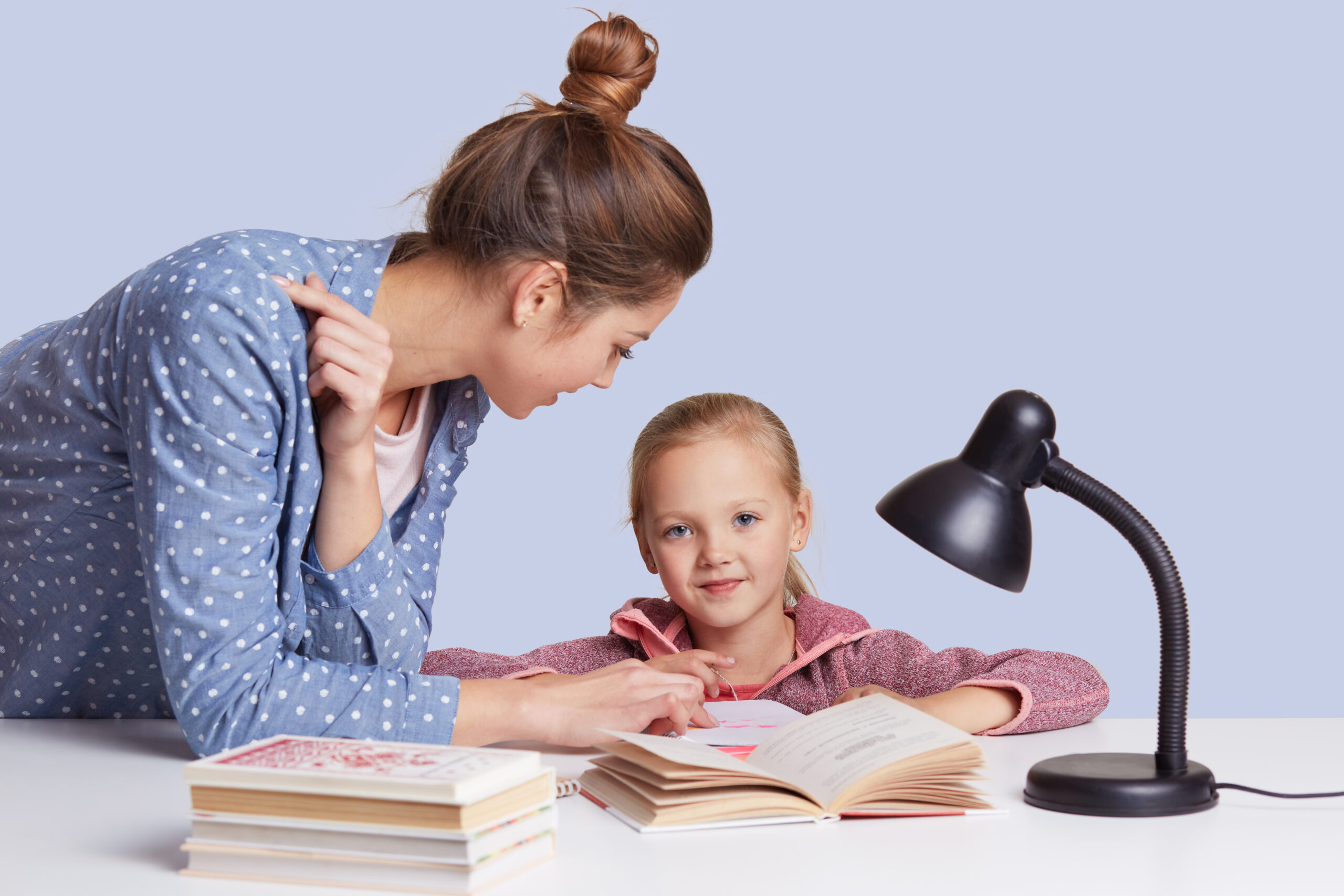
How to Develop Reading Habit in Kids: Raising Children Who Choose Books
How to develop reading habit in kids is one of those parenting questions that feels both simple and impossible. Every parent wants a child who reads, yet most children today reach for a phone or a remote long before they reach for a book. The pull of screens is real, and reading can’t compete with it on speed or sparkle. But reading offers something screens never will, quiet, depth, imagination, and the rare skill of staying with a single idea for hours. Learning how to develop reading habit in kids takes patience, not pressure. With a few steady habits, almost any child can become a reader.
Why Reading Matters More Than Ever
The benefits of reading for child development are the strongest predictor of academic success across every subject, not just English. Children who read regularly develop stronger vocabulary, sharper attention spans, deeper comprehension, and better writing skills. They also tend to be more empathetic, since stories quietly teach them how to see the world through other eyes.
In a world built around fast content, the ability to sit with a book is becoming rare. The children who keep that ability will have a real advantage, in school, in work, and in life. That’s why so many parents today are searching for ways on how to develop reading habit in kids before screens take over completely.
Inspired by these ideas? Let your child practice them in a fun way!Explore Blueberry workbooks that turn concepts into engaging activities.🛒 Shop Now: https://hashtageducation.in/collections
How to Develop Reading Habit in Kids at Home
The habit isn’t built through nagging. It’s built through environment, example, and rhythm. The good news is, how to develop reading habit in kids comes down to a handful of daily choices.
A few things that genuinely work:
- Read aloud daily, even after your child can read on their own. The shared time matters more than the words.
- Keep books visible, a small shelf at child height, a basket near the sofa, a few books in the car
- Let them see you reading, parents who scroll constantly raise children who scroll constantly
- Pick a fixed reading time, twenty minutes before bed works for most families
- Avoid making reading feel like homework, no quizzes, no comprehension questions during pleasure reading
- Let them re-read favourites, repetition deepens love for stories
- Visit libraries and bookstores together, the experience matters as much as the purchase
- Let them choose, kids stick with reading when they feel ownership over the books
The aim is to make reading the easy default, not the difficult exception. When books are everywhere and screens are slightly harder to reach, the habit grows on its own.
What Quietly Kills the Reading Habit
A few common parenting moves push children away from books, sometimes for years. Forcing a child to finish a book they’re not enjoying teaches them reading is a chore. Pushing books that are too hard creates frustration. Comparing siblings, “your brother reads so much more than you”, builds resentment. Replacing pleasure reading with worksheets disguised as books drains the joy fast.
The fix is simple, ease up. Let reading be enjoyable, and the habit follows.
Reading Comprehension Activities for Kids
Reading comprehension activities for kids help children move from reading words to actually understanding and remembering what they read. This is where reading becomes a real skill, not just decoding letters on a page. Good reading comprehension activities for kids work best when they feel like conversation, not testing.
A few that work well:
- Retell the story, after reading, ask your child to tell the story back in their own words
- Draw a scene, especially good for younger children who can’t write much yet
- Predict the ending, pause halfway through a chapter and ask what might happen next
- Character interview, pretend to interview a character from the book
- Story map, draw the beginning, middle, and end of a story on one sheet
- Question swap, your child asks you a question about the book, you ask one back
- Find the favourite line, asking what they liked most builds personal connection to text
- Make a book trailer, older kids enjoy creating a one-minute pretend ad for a book they loved
These reading comprehension activities for kids work best in small doses, woven into normal conversation, not turned into a school-like routine.
Benefits of Reading for Child Development
Benefits of reading for child development show up across almost every area of growth, often quietly. Parents often underestimate just how wide the benefits of reading for child development really stretch.
What regular reading builds:
- Vocabulary, far richer than what children pick up from conversation alone
- Concentration, books train the brain to stay with a single thread for long stretches
- Empathy, stepping into characters’ lives teaches understanding of others
- Creativity and imagination, books leave space for the mind to picture things
- Better sleep, reading before bed calms the nervous system in a way screens never can
- Stronger writing skills, children write the way they read
- Academic confidence, comfortable readers handle every subject more easily
- Lifelong curiosity, the habit of finding answers in books stays for decades
The earlier these benefits start, the deeper they go. A child who reads for pleasure at seven is far more likely to be reading at thirty.
Make playtime smarter with this Mini Golf tabletop game that builds concentration, patience, and problem-solving skills.
Shop now 👉 https://amzn.to/4fjyuLm
How to Choose Books for Kids by Age
How to choose books for kids by age is something many parents find tricky, especially with the sheer number of books available now. Knowing how to choose books for kids by age makes the bookstore visit far less overwhelming.
A rough guide:
- 0 to 2 years, board books with bright pictures, textures, and very few words
- 2 to 4 years, picture books with simple stories, rhymes, and repetition
- 4 to 6 years, slightly longer picture books, early chapter books, books about feelings and everyday life
- 6 to 8 years, short chapter books, simple non-fiction, classic Indian and international stories
- 8 to 11 years, longer chapter books, mystery, adventure, biographies of children’s favourites
- 11 and up, full novels, young adult fiction, non-fiction tied to their interests
Look for books that reflect Indian contexts alongside global ones. Publishers like Hashtag Education, Pratham, Tulika, Karadi Tales, and Tara Books offer strong homegrown options. The right book at the right age can spark a lifelong reader.
How to develop reading habit in kids ultimately comes down to making books easy, enjoyable, and a normal part of daily life. The goal isn’t to raise a child who reads because they’re told to. It’s to raise one who reaches for a book because, somewhere along the way, they fell in love with the quiet magic between the covers.