
Degree Employability Gap: India's Critical Reality
Degree Employability Gap: Why Graduates Feel Unprepared for Real Work The degree employability gap doesn’t show up on graduation day. It arrives later, quietly and unannounced, after the celebrations are over and reality begins asking questions that college never prepared students to answer. It shows up when a graduate opens a job portal for the tenth time in a day.When interviews feel unfamiliar despite years of study.When confidence begins to slip, not because of failure, but because of uncert
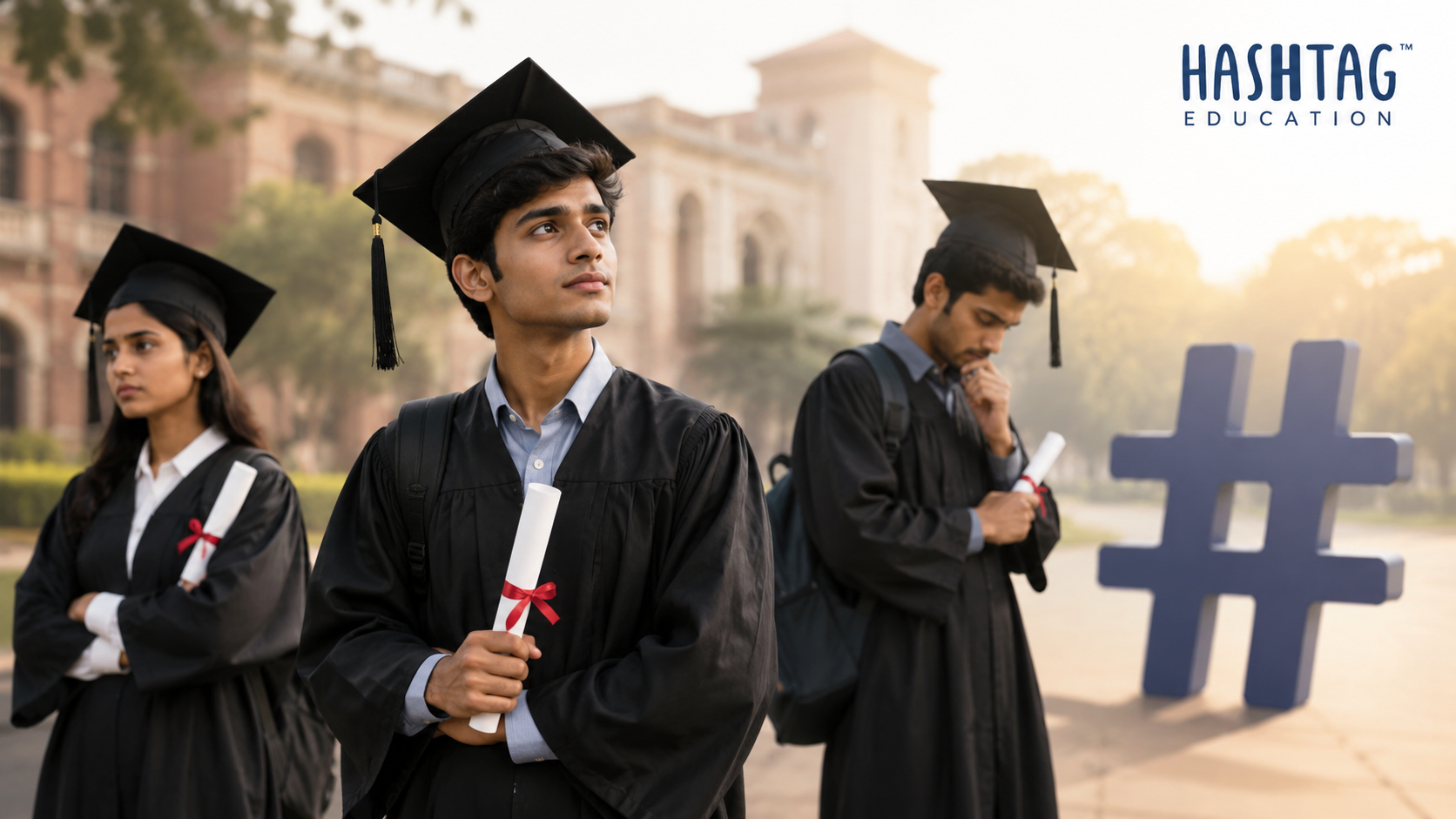
Degree Employability Gap: Why Graduates Feel Unprepared
The degree employability gap does not show up on graduation day. It arrives later, quietly, after the celebrations end. It shows up when a graduate opens a job portal for the tenth time in a day. When interviews feel strange despite years of study. When confidence starts to slip — not from failure, but from uncertainty.
For millions of young people in India, education was meant to be a bridge to a stable career. Instead, many stand at the edge of that bridge, unsure how to cross. This gap is not about a lack of ambition. It is about a mismatch between education and real life.
When Graduation Feels Like a Pause
Every year, India produces one of the largest groups of graduates in the world. From the outside, the system looks successful. But for many students, life after graduation feels oddly still. They followed the rules and finished their courses. Yet something feels missing. They know what they studied. They just don't know how to use it.
The Gap Between Learning and Living
In classrooms, learning is neat. There are clear instructions and predictable results. Success is measured by exams and grades. Workplaces are different. Problems are messy. Answers are rarely clear. Feedback is direct, and teamwork is complex. Most students meet this reality only after they graduate. By then, the shift feels overwhelming.
What Students Say They Missed
When graduates look back, they rarely mention difficulty. They mention surprise. They often say things like, "I didn't know how to think on my feet," or "Teamwork was harder than studying." These are not advanced skills. They are basic workplace habits. The gap grows when students never face these situations early.
This is exactly why early learning matters. Skills like problem-solving and confidence start in childhood, not in college. Our Kids Corner activities are built to grow these habits from the start.
👉 If you found this helpful, explore our books designed to build real-world skills and confidence.
🛒 Shop Now: https://hashtageducation.in/collections
Why Classrooms Still Feel Disconnected
The gap continues because school and real work stay far apart. In many places, industry experts rarely meet students. Course content updates slowly. Practical skills are optional. Soft skills are talked about, but not practised. Students learn about work, but not through work.
The Emotional Cost
This gap is not only about systems. It hurts on a personal level too. Graduates often blame themselves. Confidence drops. Self-doubt replaces ambition. Many accept jobs far below their ability — not for lack of talent, but for lack of exposure.
Read Also: Children learn best when they’re taught in their mother tongue
From Degrees to Real Capability
Closing this gap means moving from degree-focused study to skill-focused learning. That means real-world exposure early. Internships built into courses. A focus on problem-solving over memorising. Employers value the same things again and again: people who adapt, communicate, solve problems, and keep learning.
Building these human skills early makes all the difference. Explore our learning resources and more ideas on our blog.
The Emotional Cost Of The Gap
The degree employability gap is not just a structural issue; it has emotional consequences. Graduates often internalize the gap as a personal failure.
Confidence begins to decline. Self-doubt replaces ambition. Career decisions become reactive rather than intentional.
Many accept roles far below their capability, not due to lack of talent, but due to lack of exposure. When education fails to build confidence, the impact goes beyond employment; it affects identity and self-belief.
Why It Matters
The degree employability gap shapes the future of students, families, and the workforce. Closing it needs schools, industries, and policymakers to work together. Graduation should not feel like uncertainty. It should feel like readiness — not perfection, but confidence.
When education matches real-world needs, students leave with more than a degree. They leave with capability and direction.
Share your feedback
Tell us what you think about this post or the website. Approved messages may appear on the Hashtag Club page.