

 Team Hashtag
Milestones That Matter: What to Expect from Ages 2 to 5
Introduction
The years between ages two and five are nothing short of magical. Your child goes from a wobbly toddler to a chatty, curious little person bursting with ideas and energy. It is a time of incredible growth, and it can leave parents wondering, “Is my child developing as they should?”
Understanding developmental milestones for 2 to 5 year olds helps you celebrate progress and feel confident along the way. These milestones cover how your child moves, speaks, thinks, and connects with others. In this guide, we break down what to expect at each age, when to seek advice, and fun activities to support your child at home.
What Are Developmental Milestones?
Developmental milestones are skills most children gain by a certain age. They act as gentle signposts, showing how your child is growing across different areas.
These skills usually fall into four key areas:
Physical (motor) skills – Running, jumping, holding a crayon, and climbing.
Language skills – Talking, understanding words, and following directions.
Cognitive skills – Thinking, problem-solving, and learning new ideas.
Social and emotional skills – Playing, sharing, and managing feelings.
Milestones are guides, not strict deadlines. Every child grows at their own pace, and small differences are completely normal.
If you liked these tips, explore our online courses!
Help your child build strong skills with structured, expert-designed lessons.
👉 https://learning.hashtageducation.in/kids-lms-course-explorer/pre-nursery/
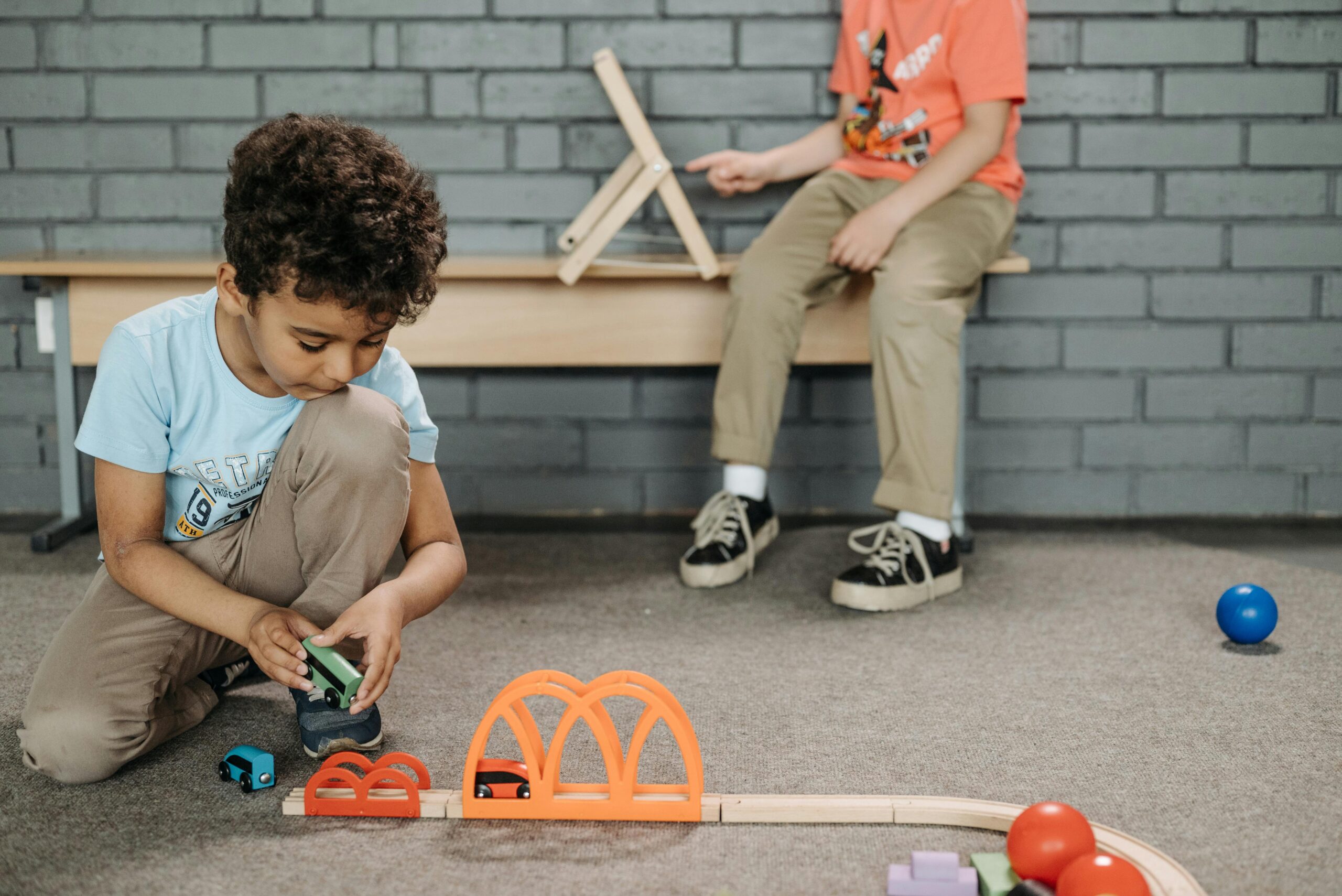
Developmental Milestones for 2 to 5 Year Olds
Here is a friendly, stage-by-stage look at what most children can do as they grow from two to five years old.
Age 2: The Busy Explorer
At two, your child is curious, active, and learning fast.
- Walks, runs, and climbs with growing confidence.
- Says around 50 words and starts joining two words together.
- Points to body parts and familiar objects.
- Begins pretend play, like feeding a doll.
Milestones for 3 Year Olds: The Little Talker
The milestones for 3 year olds show a big leap in language and independence.
- Speaks in short sentences others can understand.
- Follows simple two-step instructions.
- Plays alongside other children.
- Builds towers, scribbles, and turns book pages.
- Shows a range of emotions and growing imagination.
Make playtime smarter with this Mini Golf tabletop game that builds concentration, patience, and problem-solving skills.
Shop now 👉 https://amzn.to/4fjyuLm
Age 4: The Social Star
Four-year-olds are full of questions, energy, and personality.
- Tells short stories and asks “why” often.
- Hops, catches a ball, and uses scissors.
- Plays cooperatively and takes turns.
- Begins to recognize colors, shapes, and some letters.
Age 5: The Confident Learner
By five, your child is getting ready for school.
- Speaks clearly in full sentences.
- Counts to ten and recognizes numbers.
- Draws people with several body parts.
- Manages emotions better and follows rules in games.
Also Read: How to Choose Preschool India
When to Worry About Child Development
It is natural to compare and wonder if everything is on track. Knowing when to worry about child development helps you act early if needed, without unnecessary stress.
Consider speaking to a doctor or specialist if your child:
- Does not speak in short phrases by age three.
- Cannot follow simple instructions.
- Avoids eye contact or shows little interest in other people.
- Loses skills they once had.
- Struggles with basic movements like walking or climbing for their age.
Trust your instincts. If something feels off, an early conversation with a pediatrician can bring reassurance or timely support. Early help often makes a big difference.
Milestone Activities for 2 to 5 Year Olds at Home
You do not need expensive toys to support your child’s growth. Everyday play is powerful. Try these milestone activities for 2 to 5 year olds at home to nurture their skills naturally.
For Movement and Coordination
Dancing to music.
Simple obstacle courses with cushions.
Throwing and catching a soft ball.
For Language and Thinking
Reading picture books together daily.
Singing rhymes and songs.
Naming objects during everyday tasks.
For Social and Emotional Growth
Playing pretend games like “shop” or “doctor.”
Sharing toys and taking turns.
Talking about feelings using simple words.
For Fine Motor Skills
Coloring and scribbling.
Stacking blocks.
Threading large beads.
A little playful learning each day builds confidence and skills, all while having fun.
Tip for parents: Hashtag Education’s NEP 2020-aligned storybooks and workbooks are designed to support these very milestones, making early learning simple and joyful.
FAQ Section
Q1: Do all children reach milestones at the same time?
A1: No. Every child develops at their own pace. Milestones are general guides, and small differences in timing are usually normal and nothing to worry about.
Q2: My 3-year-old talks less than other kids. Should I be concerned?
A2: Some children talk later than others. Keep reading and chatting with them daily. If your child uses very few words or struggles to be understood, check with a pediatrician for guidance.
Q3: How can I support my child’s development at home?
A3: Simple activities like reading, singing, playing, and talking together do wonders. Daily interaction and play are the best ways to nurture growth across all areas.
Q4: When should I see a doctor about my child’s development?
A4: If your child loses skills, struggles with movement or speech for their age, or shows little social interest, speak to a doctor. Early support is always helpful.
Conclusion
The journey from ages two to five is filled with wonderful “firsts” and big leaps in growth. By understanding developmental milestones for 2 to 5 year olds, you can celebrate every step, support your child gently, and know when to seek a little extra help.
Remember, your child is unique. Focus on progress, not perfection, and enjoy this remarkable stage of their growth.