

 Team Hashtag
Reading Milestones by Age: What to Expect at Every Stage
Introduction
Every parent loves the moment their child reads their first word. But learning to read is a journey, not a single event. It begins long before a child can say “cat” out loud.
Understanding reading milestones by age helps you support your child at the right time, without pressure or worry. Some children read early, others take their time, and both are perfectly normal. In this guide, we will walk you through what to expect at each stage, the skills that come before reading, and simple ways to help your child fall in love with books.
Why Reading Milestones Matter
Knowing what is typical at each age gives you a helpful map. It lets you celebrate progress and spot when a child might need a little extra support.
Reading milestones matter because they:
Help you set realistic expectations.
Show you which skills to encourage next.
Make reading time more enjoyable and stress-free.
Help you notice early signs of reading difficulties.
Remember, milestones are guides, not strict rules. Children grow at their own pace, and a few months either way is nothing to worry about.
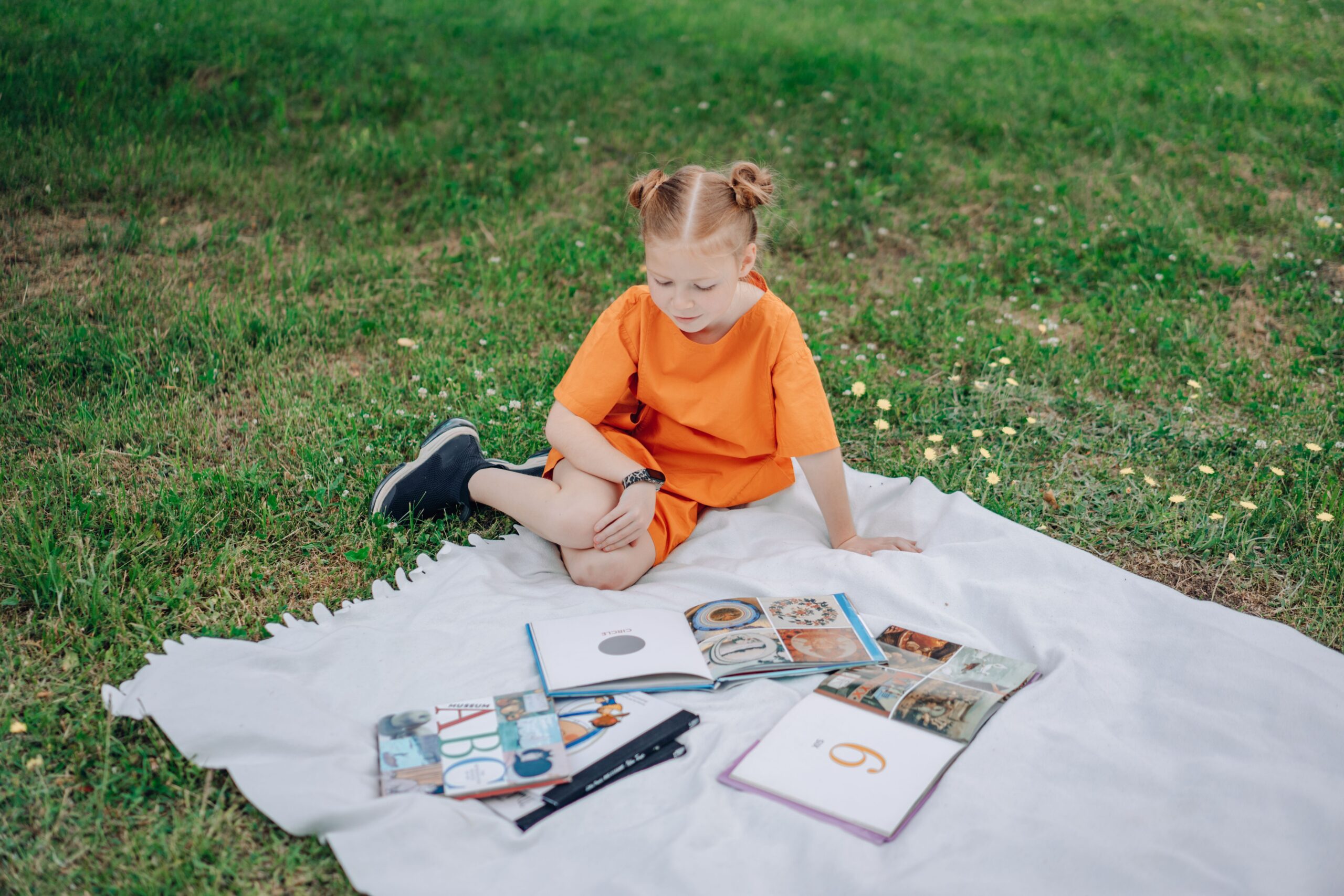
Reading Milestones by Age: A Stage-by-Stage Guide
Here is a simple breakdown of what most children can do as they grow. Use it as a gentle reference, not a checklist to stress over.
Ages 0–2: Discovering Books
At this stage, reading is about exploration and bonding.
Enjoys being read to and looking at colorful pictures.
Holds and chews board books (totally normal!).
Points at familiar images.
Babbles along during story time.
Ages 3–4: Building Awareness
Now your child starts connecting books to meaning.
Recognizes familiar logos and signs.
Pretends to “read” memorized stories.
Knows some letters, often from their own name.
Enjoys rhymes and repeated phrases.
Age 5: Early Reading Begins
This is an exciting stage where reading truly starts.
Recognizes most letters and their sounds.
Begins blending sounds into simple words.
Reads short, familiar words like “is” and “go.”
Understands that text is read left to right.
Ages 6–7: Growing Confidence
Children become more independent readers.
Reads simple sentences and short books.
Sounds out unfamiliar words.
Understands and retells simple stories.
Builds reading speed and fluency.
Inspired by these ideas? Let your child practice them in a fun way!Explore Blueberry workbooks that turn concepts into engaging activities.🛒 Shop Now: https://hashtageducation.in/collections
Pre-Reading Skills for Preschoolers
Before children read words, they need a strong foundation. These pre reading skills for preschoolers are the building blocks of lifelong reading.
Focus on developing:
Phonological awareness – Hearing and playing with sounds, rhymes, and syllables.
Print awareness – Knowing that words carry meaning and books are read in a certain way.
Vocabulary – Learning new words through conversation and stories.
Letter recognition – Naming letters and their sounds.
Listening skills – Following and understanding spoken stories.
You can build these skills naturally during everyday moments, like singing songs, telling stories, and talking about the world around you.
Make playtime smarter with this Mini Golf tabletop game that builds concentration, patience, and problem-solving skills.
Shop now 👉 https://amzn.to/4fjyuLm
How to Teach Reading to a 5-Year-Old
Age five is a wonderful time to begin formal reading practice. The trick is to keep it fun and pressure-free. Here is how to teach reading to a 5 year old in simple, joyful steps.
Start With Sounds, Not Just Letters
Teach the sounds each letter makes, not only the names. This phonics approach makes blending words much easier.
Read Together Every Day
Daily reading is the single most powerful habit you can build. Let your child point to words, guess what happens next, and ask questions.
Make Learning Playful
Use flashcards and letter games.
Sing alphabet and rhyming songs.
Spot letters on signs and packets during outings.
Praise every small effort to keep motivation high.
Choose the Right Books
Pick short books with simple words, big text, and engaging pictures. Success with easy books builds confidence for harder ones later.
When looking for reading books for 4 year olds in India, choose stories with familiar settings, relatable characters, and age-appropriate language. Books that reflect a child’s own culture and surroundings make reading feel meaningful and fun. Picture books, rhyming stories, and simple bedtime tales are great starting points.
Tip for parents: Explore Hashtag Education’s range of NEP 2020-aligned storybooks and workbooks, designed to make early reading joyful and age-appropriate for Indian children.
FAQ Section
Q1: At what age should my child start reading?
A1: Most children begin recognizing letters around ages 3–4 and start reading simple words around age 5–6. Every child is different, so focus on building skills rather than rushing the timeline.
Q2: What if my child is behind on reading milestones?
A2: A few months’ delay is usually normal. Keep reading together daily and make it fun. If you have ongoing concerns, speak to a teacher or pediatrician for guidance.
Q3: How much should I read to my preschooler each day?
A3: Even 15–20 minutes a day makes a big difference. Consistency matters more than length, so make daily story time a happy habit.
Q4: Are picture books good for learning to read?
A4: Absolutely. Picture books build vocabulary, spark imagination, and help children connect words with meaning, making them perfect for early readers.
Conclusion
Learning to read is one of the most rewarding journeys you and your child will share. By understanding reading milestones by age, building strong pre-reading skills, and keeping every story session fun, you give your child the confidence to become a happy, lifelong reader.
There is no need to rush. Celebrate small wins, read together often, and let your child grow at their own beautiful pace.