

 Manyata
 Every parent’s dream is to raise confident children who believe in themselves, make good choices, and bounce back from setbacks. In today’s world of constant encouragement and social media validation, there is a fine line between building confidence and creating dependence on praise.
The truth is that too much praise can do more harm than good.
Let me explain how to raise confident, self-assured children-not by overpraising them but by helping them find their true identity, self-worth, and a sense of belonging.
1. Confidence Isn’t Built, It’s Grown
Confidence does not come from telling a child they’re amazing every five minutes. It is not something you “give” them through repeated approval. Instead, confidence grows through lived experiences—moments of success, moments of effort, and even moments of failure.
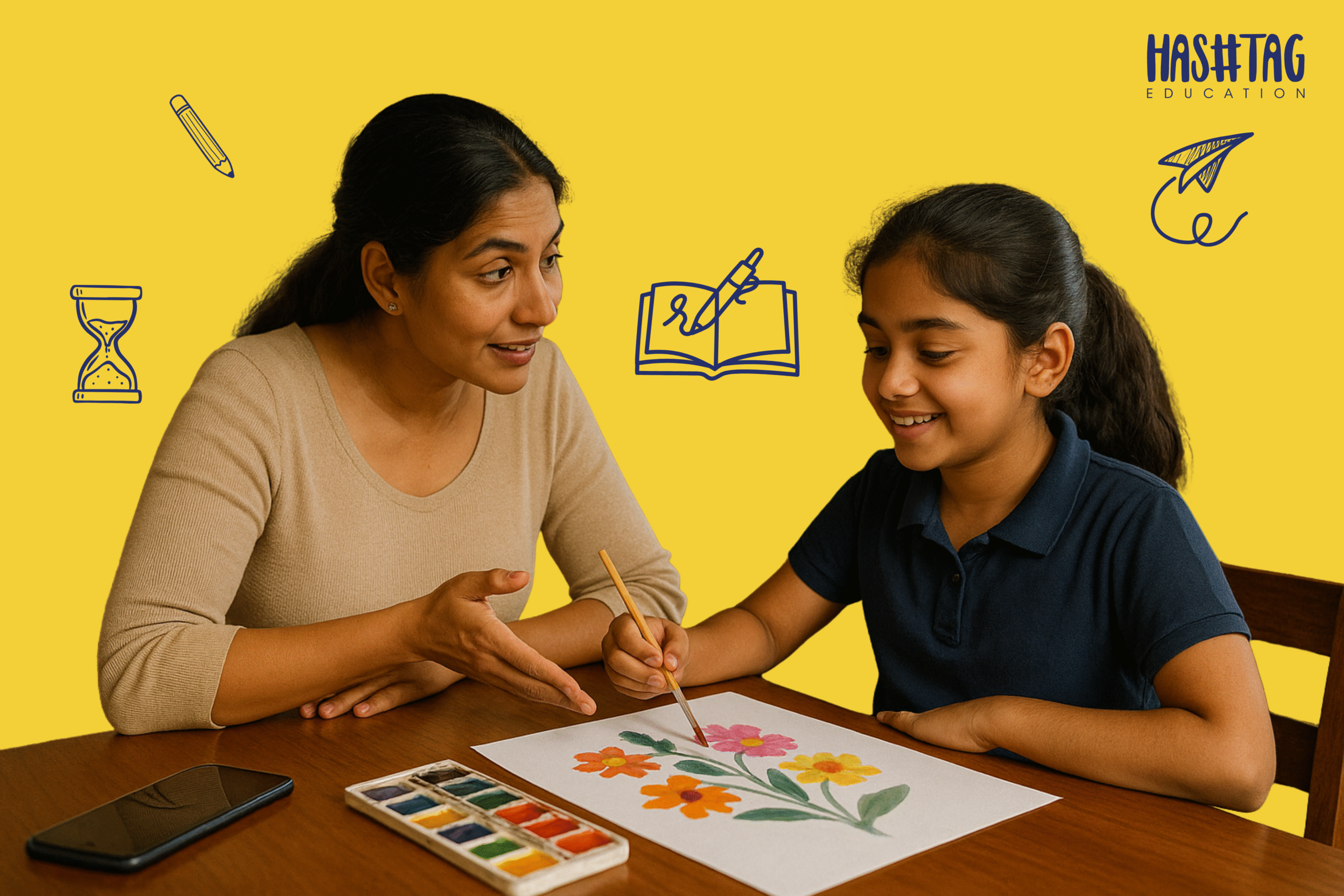
Imagine that your child painted a picture, and immediately your instinct would be to say, “You are the best artist ever!” While this is well-intentioned, such statements accidentally teach children to work for approval rather than from curiosity or passion.
Instead, try something more thoughtful, like:
“I love the way you mixed those colors; what made you choose them?”
This subtle shift turns praise into engagement: It tells your child that:
- Their choices count
- Their creativity matters.
- What is important is the thought process of theirs.
This boosts intrinsic motivation, where your confidence does not depend on external validation.
2. Praise Effort, Not Just Outcome
Children often receive applause for high grades, winning a competition, or mastering a skill. While celebrating achievements is important, it’s equally important to acknowledge what helped them get there: effort, commitment, and perseverance.
When parents say:
“You worked so hard on that project, I noticed how much time you put into it.”
…children learn that effort and not perfection is what truly matters. They begin to realize that:
- Trying is valuable.
- Improvement matters
- Success stems from consistency.
This mindset builds resilience because it separates a child’s worth from the outcome. A child who values effort will stay motivated even when results don’t go their way, which is an essential element in strong self-esteem.
In other words, outcome-based praise creates pressure-“What if I can’t win next time?”-while effort-based appreciation instills confidence: “I can always try again.”
3. Help Them Discover Who They Are
Confidence blossoms when children understand themselves, not who others want them to be.
Children need space to develop:
- Their interests
- Their likes and dislikes
- Their voice
- Their decisions
Building autonomy involves letting them make small choices. Something as simple as choosing their outfit, deciding on a hobby, or helping to plan a family outing can strengthen their sense of identity.
When the child knows who they are, they do not rely heavily on outside praise. Their confidence is thus rooted in self-awareness rather than in approval.
Encourage them with questions like:
- “What do you think?”
- “Which one feels right to you?”
- “How would you like to do it?
A positive sense of identity also underpins connectedness, children can feel secure enough in themselves to express themselves freely, including when their choices differ from others.
4. Create a Sense of Belonging
Confidence grows in relationships where children feel they matter not because of what they achieve, but because of who they are.
Belonging means:
- Being heard
- Valued
- Being included
- Being understood
Small, daily interactions build this emotional base:
- Sitting together for meals
- Story sharing
- Asking about their day
- Laughing together
- Inviting their input in decisions
- Listening without judgment
A sense of belonging at home, at school, and within the community provides a child with less reason to compare themselves to others. They don’t feel the urge to “perform” for love or be validated.
Instead, they develop quiet inner confidence-the steady belief that “I matter.”
5. Teach Them to Handle Failure Gracefully to Raise Confident Children
One of the greatest gifts you can give your child is the ability to fail and rise again.
Failure isn’t the opposite of success-it’s a part of success. Yet many parents swoop in to rescue kids to avoid discomfort, mistakes, or unhappiness. Overcomforting or overpraising following a setback may unwittingly send the wrong message that failure is a thing to be shunned or hidden.
Rather, use moments of struggle as an occasion for reflection.
Ask questions like:
- “What did you learn from this?”
- “What do you want to try in another way next time?
- “What part felt hardest?”
This approach teaches children that
- Mistakes are normal.
- Emotions are controllable.
- Challenges are opportunities.
- Growth takes time.
Children who learn to tolerate frustration, revise their thinking, and try again become resilient. They learn that confidence doesn’t come from being right all the time it comes from being willing to keep going.
6. Be a Mirror, Not a Megaphone
Children learn 80% from what they observe and only 20% from what they are told. The greatest lessons in confidence come from watching how adults handle life.
Model behaviors such as:
- Admitting errors
- Remaining calm under pressure
- Trying new things
- Speaking kindly to yourself
- Showing humility
- Valuing effort over perfection
Rather than telling your child that they’re perfect all the time, show them it’s okay to not be perfect-and worthy nonetheless.
When you model balanced confidence, children naturally mirror it. They learn to fail with poise, celebrate effort, and believe in their own capabilities-with no need for over-the-top praise.
Social Media: The Hashtag Education Perspective
At Hashtag Education, we believe that confidence is not about being the best, it’s about believing in your best self. Confidence in childhood does not grow through overpraising, exaggerated compliments, or comparisons of achievements.
It grows through:
- Deeper connection
- candid, reflective feedback
- Strong identity
- Emotional belonging
- Loving guidance
As parents make the shift from loud praise to meaningful presence, kids begin creating their own validation. They learn that their worth doesn’t come from applause; it comes from who they are and what they believe about themselves.
The aim is straightforward: Raise confident children who are confident, not just today, but for lifestyle, and belonging, we can help our children grow into grounded individuals who don’t seek validation they create it.