

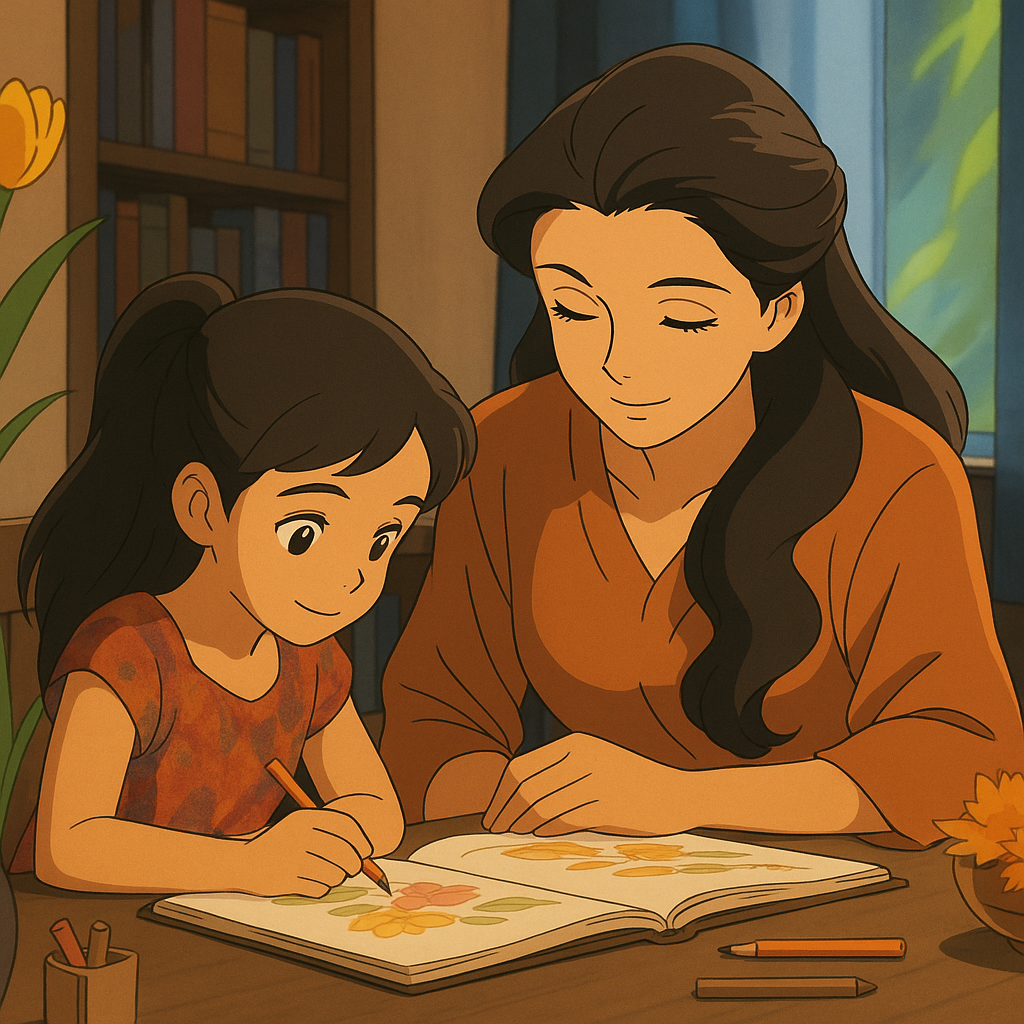
Why Reading Aloud to Children is Still Important in the Digital Age
Introduction In today’s digital world, screens are everywhere, but the magic of reading aloud to children remains unmatched. It nurtures imagination, builds essential skills, and creates priceless bonding moments. Improves Language Development Benefits: Reading aloud enhances vocabulary, listening skills, and pronunciation. Recommended Book: Dino English Workbook – Perfect for introducing basic words and language concepts. Creates Emotional Connections Benefits: Sharing stories strengthens parent-child bonds and encourages children to open up about their thoughts and emotions. Inspires Imagination Benefits: When children hear stories, they visualize the characters and worlds, stimulating creativity. Recommended Book: All About Animals – Captivating visuals and simple text bring stories alive for young learners. Reading aloud is a small daily habit with life-long rewards. Swap gadgets for books, and create cherished memories with your child.
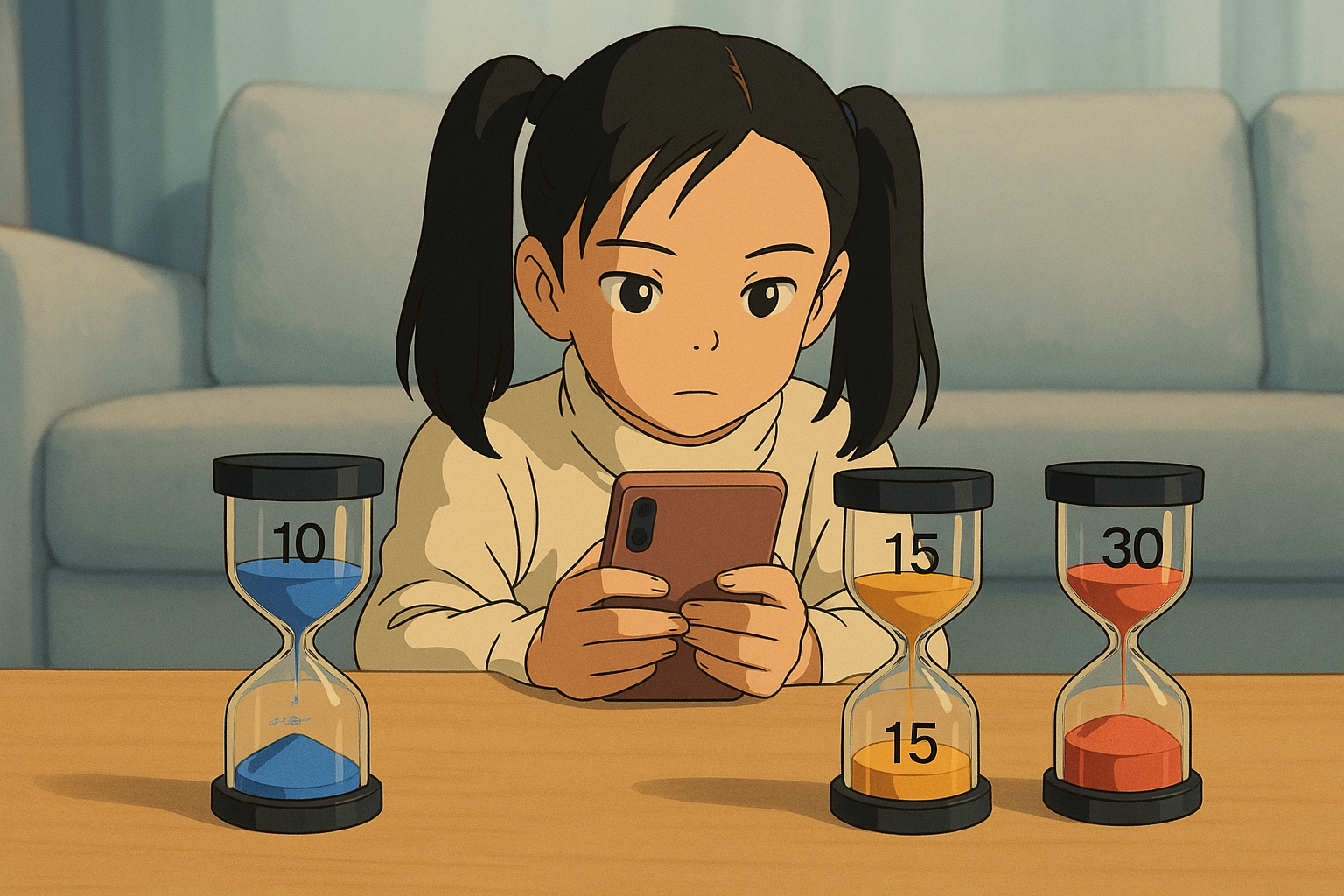
The Screen-Time Dilemma: How to Replace Gadgets with Books
Let’s be honest…screens are easy They keep the kids quiet. Screens give us a moment to make dinner, reply to a few messages, or just catch our breath. And let’s be honest, when we’re tired (which is most days), giving the phone feels like the only way to get through. I totally get it. I’ve found myself in the same place. I’ve ended up in the same situation. Then, gradually, I began to see minor shifts in both myself and my child. But as time went on, I became aware of small details: My child was crankier after screen time. His sleep was lighter and shorter. He didn’t want to go outside and play as much. As he continued to swipe on the screen, his storybooks remained unopened. That’s when I paused and thought, is there another way? And just to be clear, this isn’t about feeling guilty. This isn’t about guilt. It’s about balance. Let me say this loud and clear: Screens aren’t evil. They’re part of our world, and yes, they can teach and entertain. But when they start to replace books, play, and conversations, we need to pause. Because books do something screens can’t. They slow things down. They make space for imagination. They help children (and us) feel something more deeply. So, how did we make the switch? Not all at once. Not without resistance. But here’s what actually helped in our home, no fancy routines, no parenting hacks, just small changes made with love and patience. One story instead of one episode- We started with bedtime. Instead of a cartoon, we read a short story. Just one. Some nights, he listened. Other nights, he fidgeted. But we kept at it. A reading book that felt like his- We cleared a corner near the window, added a soft rug, his favorite soft toy, and a basket of books. He named it his “book camp.” (It’s still messy, but magical.) Books about what he already loved- He loved dinosaurs, so we got dinosaur books. Then trucks. Then silly rhymes. Children lean in when they see themselves in books. We read in weird places- In the car. During breakfast. Let’s be honest, waiting at the doctor is boring for everyone, especially children. But even a tiny story can turn frustration into a quiet moment together. No cold-turkey screen ban- We didn’t snatch away the screen. We just made books a part of life again. Slowly, stories started becoming a habit, and sometimes even a request. The day I knew it was working… One night, I discovered my son reading a picture book by himself while curled up in his reading book. No screen. No prompting. Just a quiet moment with paper, colors, and his own imagination. I realized then that we were making progress. Tips for fellow parents trying to replace screens with books: Start with your routine first. If your child sees you reading, even a magazine, they’ll notice. Don’t stress over “how long” they read. It’s about quality, not minutes. Let them choose their books. Even if it’s the same one for 20 days straight. Use rewards sparingly, let curiosity be the hero, not bribes. Be patient. You’re planting seeds, not flipping switches. What schools can do to help? At Hashtag Education, we believe that home and school must work together. Here’s how educators can support this shift: Host “read-aloud” weeks and invite parents. Send short weekly book suggestions to families. Show kids that using screens smartly is something they can learn, just like any other good habit. Let books feel exciting, not just academic. Final thoughts: You’re doing better than you think. If your child watched 2 hours of YouTube today, breathe. You haven’t failed. You don’t have to do it flawlessly. You might not feel like you’re doing enough, but the fact that you’re even thinking about this? That means you are. So tonight, maybe it’s one small story. One moment of connection. That’s enough. Because books aren’t just about reading. They’re about slowing down together. They’re about looking into your child’s eyes and saying, “I have time for you.”
- 1
- 2