
Reading Milestones for Kids: Picture Books to Chapters
Wondering if your child is reading on track? Explore the reading milestones for kids from ages 1 to 10 — from picture books to chapter books — and simple ways to support them at every stage.
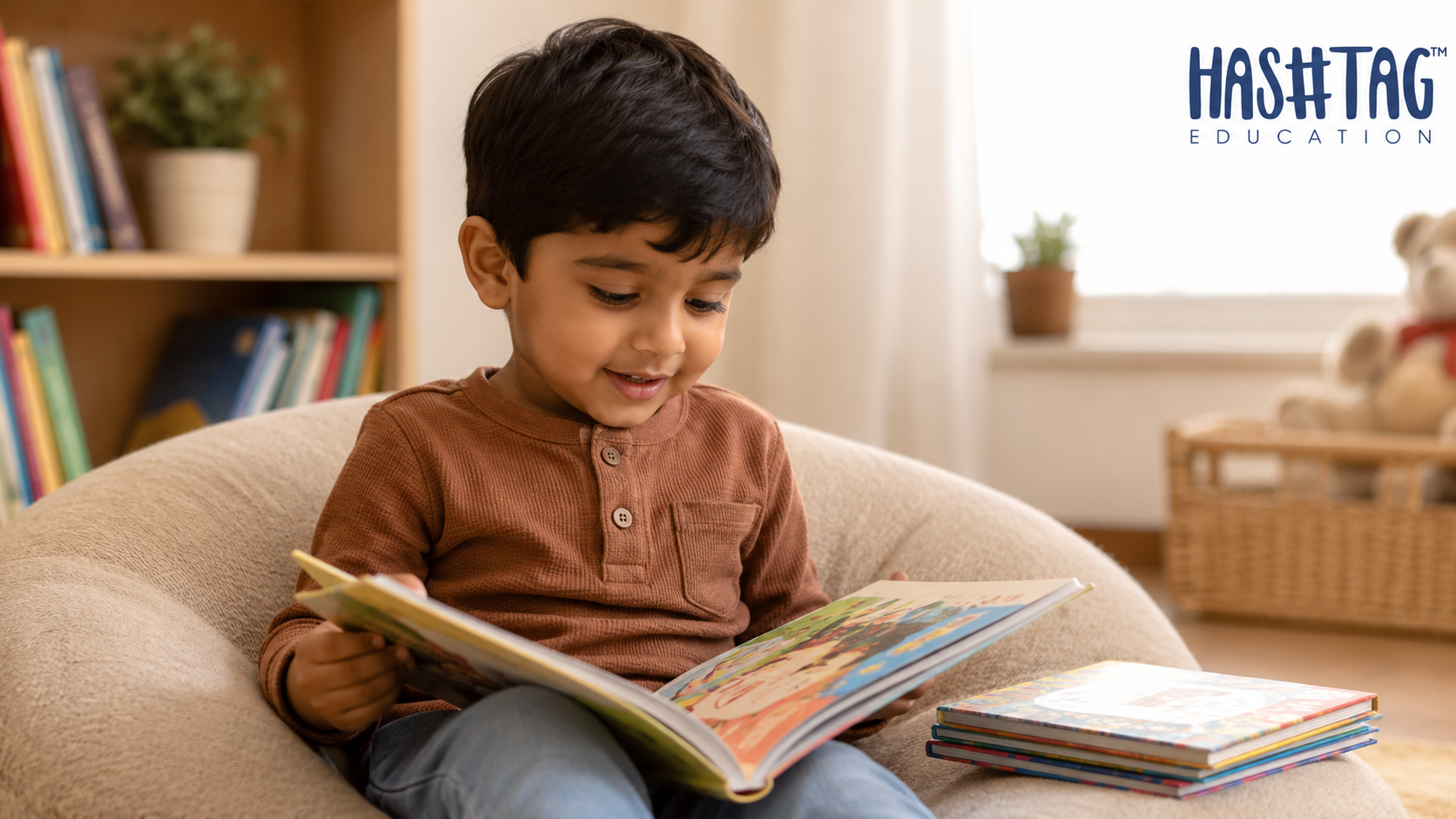
Reading Milestones for Kids: Picture Books to Chapters
Teaching your child to read is one of parenting's greatest joys. But how do you know if they're on track? When should chapter books come in? And what's your role in all of it?
This guide walks through the key reading milestones for kids — from toddlerhood to early primary school — and how you can support your child at every stage.
Stage 1: Picture Books (Ages 1–5)
What it looks like: Bright, playful illustrations with very little text. Rhyming words and repeated refrains. Chances to join in — naming objects, making animal sounds, pointing at pictures.
Why it matters: Picture books build early language, comprehension, and a sense of story. They introduce new words and spark imagination long before a child reads on their own.
How to help: Read daily, even if it's the same book over and over — repetition is how children learn. Use silly voices, gestures, and questions. Let them turn the pages and point to pictures.
Our Dino series picture books are made for exactly this age — bold illustrations, simple text, and thick pages built for little hands. For more on this stage, see our guide to reading aloud to children.
Stage 2: Sight Words and Early Readers (Ages 5–6)
What it looks like: Simple, repetitive sentences with familiar words. Phonics and sight words are introduced. Short, predictable storylines.
Why it matters: This is when decoding begins — children start connecting letters to sounds and reading their first real words. Success here builds reading confidence for years to come.
How to help: Use starter phonics books and sight word games. Celebrate effort, not perfection. And don't rush — let your child set the pace.
Our Blueberry workbooks support this stage with hands-on, screen-free phonics and tracing practice. You'll find more ideas in our guide to teaching phonics.
Stage 3: Transitional Readers (Ages 6–8)
What it looks like: Short paragraphs, simple plots, and the first easy chapters. Fewer pictures, more text, wider vocabulary.
Why it matters: Children shift from learning to read to reading to learn. They begin reading simple fiction and non-fiction, and build the stamina for longer stories.
How to help: Take turns reading aloud together — shared reading builds fluency. Ask about the characters and their choices. Start a short book series to build familiarity and excitement about "what happens next."
Stage 4: Chapter Books and Fluent Reading (Ages 8–10)
What it looks like: Multiple chapters, developing plots, characters who change. Few or no pictures. Exposure to different genres and writing styles.
Why it matters: Children are no longer just reading — they're thinking, questioning, and forming opinions. Reading becomes a habit, and often a genuine love.
How to help: Let them choose what they read. Freedom creates interest. Talk about stories the way you'd discuss a film. Encourage genre exploration: mystery, adventure, biography.
Reading Milestones for Kids: A Quick Guide by Age
Ages 1–2: Recognises pictures, repeats sounds, loves repetition
Ages 2–3: Points to familiar pictures, finishes sentences, turns pages
Ages 3–4: Knows some letters, "pretend reads," understands story order
Ages 4–5: Begins decoding simple words, recognises sight words
Ages 5–6: Reads short sentences, spots beginnings and endings
Ages 6–7: Reads short chapter books, builds fluency, enjoys series
Ages 7–8: Summarises stories, tries different genres
Ages 8–10: Reads fluently and independently, enjoys complex plots
Remember, these are guides, not deadlines. Children develop at their own pace, and a few months either way is completely normal. Research from UNICEF shows that everyday interaction — talking, reading, and listening — matters far more than hitting a milestone on schedule.
Growing a Lifelong Reader
You don't need to be a teacher to raise a reader at home. What matters most is your presence, support, and consistency.
Let your child see you reading. Visit libraries together. Weave books into play and daily life. And when you'd like a little help, our books and learning resources are designed to grow right alongside your child — from the very first picture book to their first cherished chapter series.
Because reading isn't just about decoding words. It's about building memories, growing empathy, and unlocking imagination — one story at a time.
Share your feedback
Tell us what you think about this post or the website. Approved messages may appear on the Hashtag Club page.