
How to Improve Pencil Grip in Kids Easily?
How to improve pencil grip in kids easily? See correct grip tips, easy activities, and warm home ways to build strong pencil grip in preschoolers.
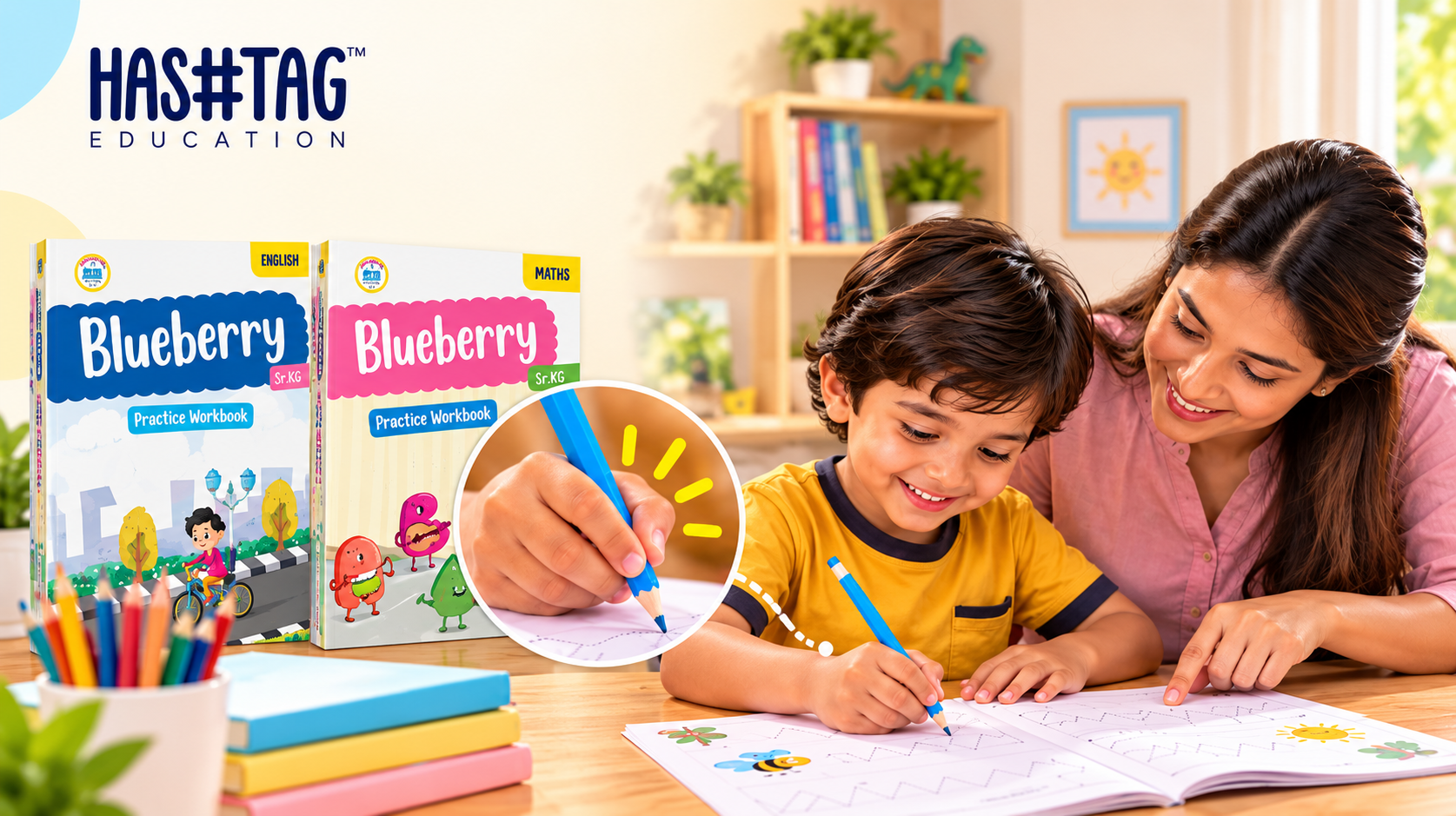
How to Improve Pencil Grip in Kids Easily? A Hashtag Education Guide
How to improve pencil grip in kids is a common question for parents of preschoolers. A good pencil grip helps children write with better control, less strain, and more confidence.
But many parents are unsure when to correct the grip or how much practice is enough.
The good news is that how to improve pencil grip in kids does not need to involve pressure or long writing sessions. Simple play, hand-strengthening activities, and short daily practice can make a big difference.
At Hashtag Education, we believe early learning should feel joyful, simple, and suitable for the way young children naturally learn.
🔴 Prefer watching? Subscribe to our YouTube channel for daily preschool videos, rhymes, and activity tips: HashtagEducation
Why Pencil Grip Matters at Ages 2–6
Between ages 2 and 6, children slowly develop the hand strength and control needed for writing.
A comfortable pencil grip can support:
Better finger strength
Improved hand control
Clearer letter formation
Less hand fatigue
Better pencil movement
More confidence while writing
Easier tracing and colouring
Pencil grip develops gradually. The goal is not to force perfect handwriting early. It is to help children become comfortable using pencils, crayons, and other writing tools.
Also Read: Printable Worksheets for LKG: 7 Powerful Yet Smart Picks
Correct Pencil Grip for Kids
The most common correct pencil grip for kids is called the tripod grip.
It uses:
Thumb on one side
Index finger on top
Middle finger supporting the pencil
Ring and little fingers resting softly in the palm
The pencil should sit comfortably between the thumb and index finger while resting on the middle finger.
Children should hold it gently, not tightly.
A relaxed grip makes writing and drawing easier.
Loved these ideas?
Discover Blueberry workbooks & box sets designed for joyful, hands-on learning.
🛒 Shop Now: https://hashtageducation.in/collections
Pencil Grip for Preschoolers
Pencil grip for preschoolers develops in stages, so parents should not expect every child to use a tripod grip immediately.
A simple guide is:
Ages 2–3: A full-palm grip is common
Ages 3–4: Children begin using their fingers more
Ages 4–5: A four-finger grip may appear
Ages 5+: A tripod grip often becomes more stable
Every child develops at a different pace.
If you are learning how to improve pencil grip in kids, focus on progress rather than perfection.
Short, regular practice usually works better than constant correction.
For more help with early writing, read our guide on best notebooks for preschoolers.
Looking for a fun learning toy?
Storio Geometric Shape Sorter Toy for Kids
👉 Shop now: https://link.amazon/B00xRENvO
Pencil Grip Activities for Preschoolers
Pencil grip activities for preschoolers should feel like play.
Children need strong fingers and hands before they can control a pencil comfortably.
Try these simple activities:
Tearing paper
Squeezing playdough
Picking up small objects
Threading beads
Building with blocks
Pinching clothespins
Cutting paper with child-safe scissors
Painting with small brushes
Using crayons for colouring
Just 10 minutes of these activities each day can help strengthen little hands.
These activities are especially useful when parents want to know how to improve pencil grip in kids without making them write for long periods.
For more ideas, see our guide on how to improve handwriting for kids.
How to Teach Pencil Grip at Home
How to teach pencil grip becomes easier when parents keep the process simple.
Try these tips:
Use short pencils or crayons
Try triangular pencils
Use a soft pencil grip if needed
Show the grip slowly
Let your child copy you
Correct gently
Keep writing sessions short
Sit beside your child while practising
Praise effort instead of perfection
Ten to fifteen minutes of writing or tracing is usually enough for preschoolers.
If your child becomes tired or frustrated, stop and try again later.
How to Improve Pencil Grip in Kids With a Simple Weekly Routine
If you are still wondering how to improve pencil grip in kids, a simple weekly routine can help.
Try:
Monday: Playdough squeezing
Tuesday: Threading beads
Wednesday: Tearing and pasting paper
Thursday: Short tracing activity
Friday: Clothespin games
Saturday: Painting or drawing
Sunday: Free creative play
You do not need to follow the schedule perfectly.
The aim is to give children regular chances to use their fingers, hands, and writing tools in different ways.
Small Home Habits That Improve Pencil Grip
Learning how to improve pencil grip in kids is also about everyday habits.
Parents can:
Encourage drawing and colouring
Offer building blocks and puzzles
Include outdoor play
Use child-sized tables and chairs
Choose easy-to-hold pencils
Avoid long handwriting sessions
Let children practise at their own pace
Celebrate small improvements
The more naturally children use their hands, the stronger their control can become.
Conclusion
How to improve pencil grip in kids is not about forcing a perfect grip as early as possible.
It is about building finger strength, hand control, and confidence step by step.
Use playdough, beads, crayons, tracing, painting, and other simple activities. Keep practice short. Correct gently. Give your child time.
With regular practice and patience, pencil control can become easier and more comfortable.
At Hashtag Education, we believe early learning works best when children feel confident, curious, and supported.
A few minutes of playful practice every day can help build stronger writing habits for the years ahead.
Share your feedback
Tell us what you think about this post or the website. Approved messages may appear on the Hashtag Club page.