
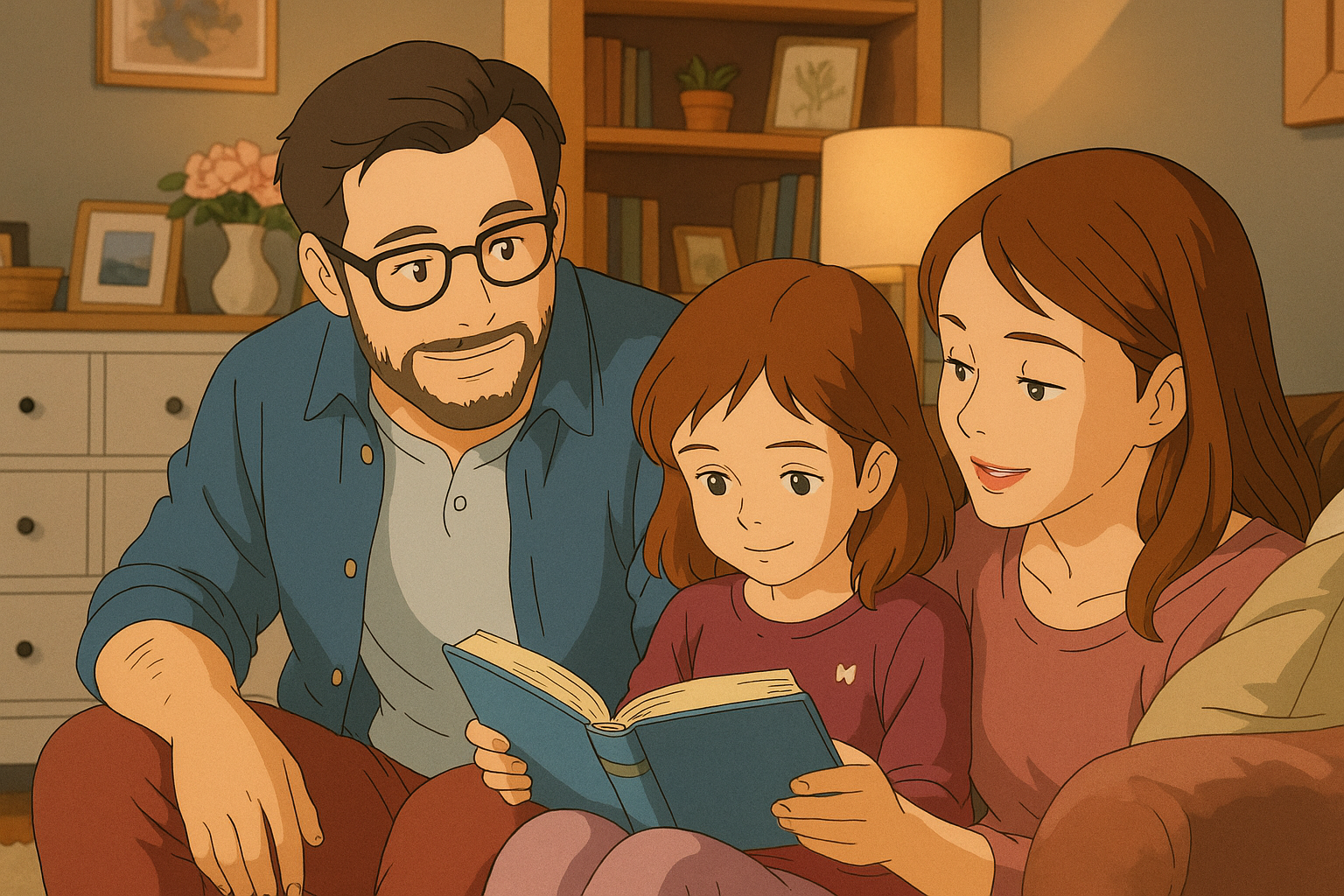
An Overview of Reading Milestones for Parents: From Picture Books to Chapter Book
Among the most delightful aspects of parenthood is teaching your child to read. But how can you tell if your child is on schedule? When should you introduce chapter books? What part do you play in all of this? The key reading milestones from toddlerhood to the early years of primary school will be covered in this book, along with how Hashtag’s educational resources may support your child at every stage. Stage 1: The Ages 1–5 Picture Book Stage What It Looks Like: Vibrant, interactive illustrations with little text. Rhyming words and refrain patterns Chances for interaction such as naming objects or creating sounds Why It Is Important: Picture books assist young children in establishing early language skills, understanding, and a sense of story They present vocabulary and encourage imagination even before a child is reading on his/her own. Ways to Help: Read every day, even if it’s the same book you read again and over. Use questions, goofy voices, and gestures to keep them engaged. Teach them to page-turn and gesture to pictures From Hashtag, Try This: With the help of carefully chosen picture books, storytime flashcards, and entertaining parent prompts, our “First Readers Kit” makes reading exciting and enjoyable. Stage 2 (Ages 5–6): Sight Words and Early Readers What It Looks Like: Repetitive, simple sentences with familiar vocabulary Phonics and sight word introduction Predictable, short storylines Why It Is Important: Children start reading simple words and connecting letters and sounds at this point, which is when decoding begins. Success at this stage increases confidence in reading and sets the foundation for higher-level skills. What You Can Do To Help: Employ starter-level phonics books and sight word games Effort, not perfection—is your goal—celebrate small successes Don’t push the pace; allow your child to set the speed Support with: Hashtag’s Sight Word Flashcard Pack and Phonics Play Sheets are perfect for this stage of learning hands on, active, screen-free. Stage 3: Transitional Readers (Ages 6–8) What It Looks Like: Brief paragraphs, simple plots, and starter-level chapters Fewer pictures, more print, more vocabulary range Why It Is Important: Children now move away from “learning to read” and into “reading to learn.” They begin to read simple fiction and nonfiction and build stamina for longer narratives. Alternate reading together shared reading builds fluency What You Can Do To Help: Question them about characters and decisions Begin with brief series to establish familiarity and anticipation Attempt This from Hashtag: Our Transitional Reader Set has novice chapter books, genre samplers, and guided reading bookmarks to assist your child with staying engaged and motivated. Stage 4: Chapter Books and Fluent Reading (Ages 8–10) What It Looks Like: Several chapters, plot development, and character change Few or no illustrations Exposure to multiple genres and styles of writing Why It Is Important: At this stage, children are doing more than just reading; they are evaluating, understanding, and making decisions. Reading becomes a hobby and a way of life. How You Can Assist: Allow them to have control over what they read—freedom creates interest Talk through stories as you would a show or movie Make exploration of genre a priority: mystery, adventure, biography, etc. Support With: Hashtag’s Genre Explorer Packs and Monthly Reading Subscription Box provide age-relevant books by themes, with discussion questions for parents to remain engaged. Reading Milestones: A Parent-Friendly Breakdown This is a brief summary of what reading usually looks like as kids mature, and how you can support them with the help of Hashtag’s learning materials: Ages 1–2: Identifies pictures, repeats sounds, loves repetition Utilize Hashtag’s Soft Story Cards and touch board books Ages 2–3: Points to familiar pictures, completes sentences, turns pages Interactive books and parent storytelling are essential Ages 3–4: Identifies some letters, makes pretend reading sounds, understands story sequence. Try Hashtag’s Pre-Reader Kit with alphabet mats and images Ages 4–5: Begins to decode simple words, reads sight words Use Phonics Playbooks and Sight Word Flashcards Ages 5–6: Reads short sentences, identifies story beginnings and endings Introduce Level 1 readers and Reading Practice Playbooks Ages 6–7: Reads short chapter books, develops fluency, enjoys series Use bookmark buddy sets and simple series books as incentives. Ages 7–8: Summarizes books, samples various genres Employ Genre Explorer Packs for variety and discovery Ages 8–10: Reads smoothly and alone, appreciates complex plots Provide Monthly Book Subscription Boxes for ongoing growth Last Thoughts: Growing a Lifelong Reader Raising a home reader doesn’t require you to be a teacher. What matters most is your presence, support, and consistency. Let your child observe you reading. Go with your child to libraries. Incorporate books into play and daily life. Additionally, Hashtag’s meticulously developed book kits, literacy aids, and reading tools are made to grow with your child—from the first picture book to the cherished chapter series, in case you do require assistance. Because, one story at a time, reading is about creating memories, expanding empathy, and unleashing imagination in addition to teaching word decoding skills.
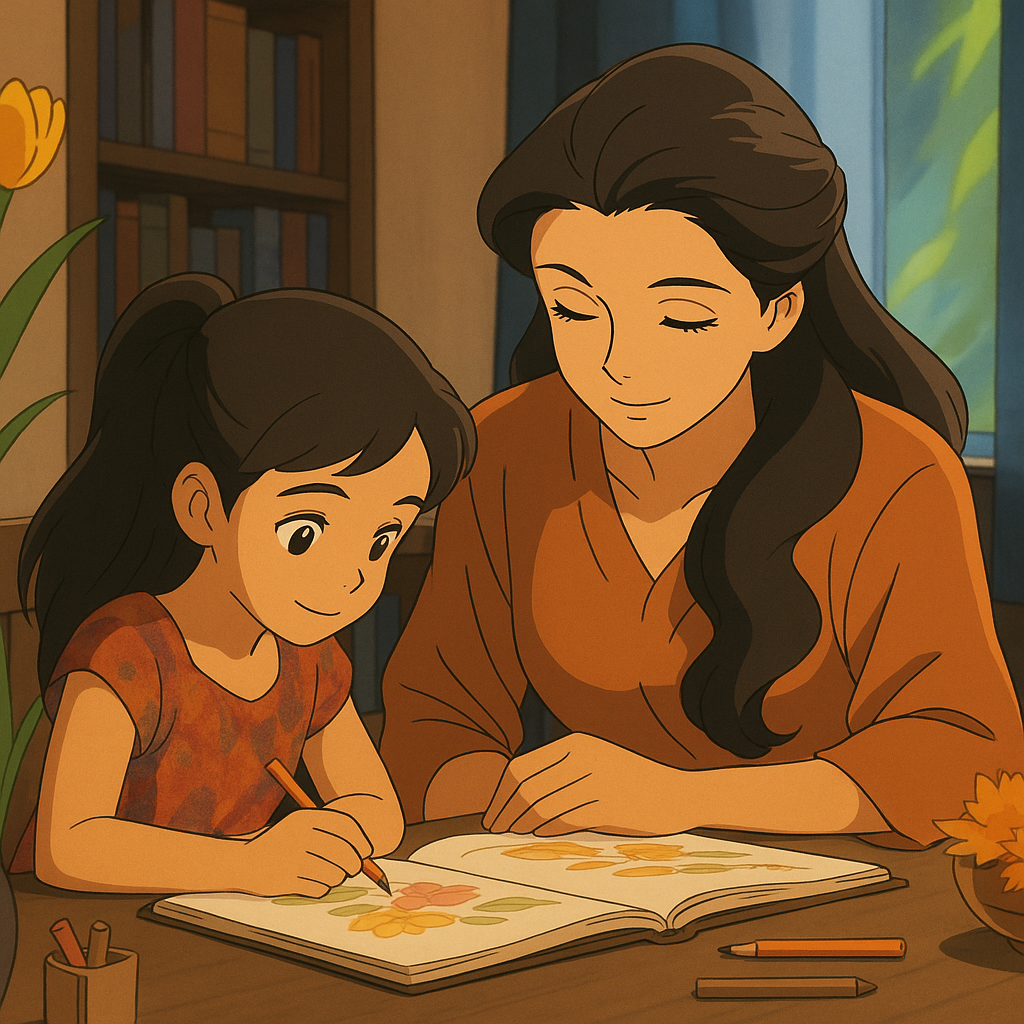
Why Reading Aloud to Children is Still Important in the Digital Age
Introduction In today’s digital world, screens are everywhere, but the magic of reading aloud to children remains unmatched. It nurtures imagination, builds essential skills, and creates priceless bonding moments. Improves Language Development Benefits: Reading aloud enhances vocabulary, listening skills, and pronunciation. Recommended Book: Dino English Workbook – Perfect for introducing basic words and language concepts. Creates Emotional Connections Benefits: Sharing stories strengthens parent-child bonds and encourages children to open up about their thoughts and emotions. Inspires Imagination Benefits: When children hear stories, they visualize the characters and worlds, stimulating creativity. Recommended Book: All About Animals – Captivating visuals and simple text bring stories alive for young learners. Reading aloud is a small daily habit with life-long rewards. Swap gadgets for books, and create cherished memories with your child.
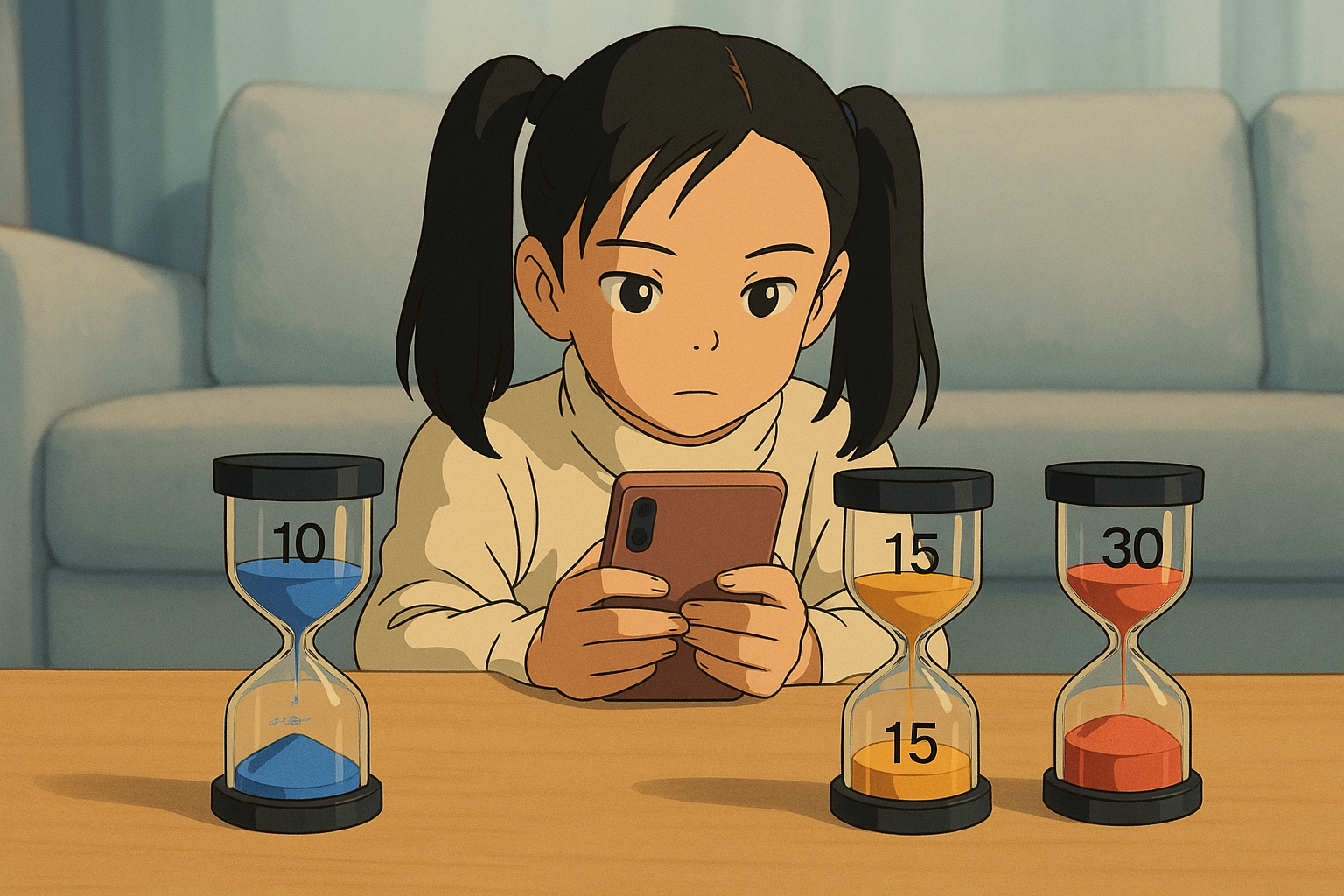
The Screen-Time Dilemma: How to Replace Gadgets with Books
Let’s be honest…screens are easy They keep the kids quiet. Screens give us a moment to make dinner, reply to a few messages, or just catch our breath. And let’s be honest, when we’re tired (which is most days), giving the phone feels like the only way to get through. I totally get it. I’ve found myself in the same place. I’ve ended up in the same situation. Then, gradually, I began to see minor shifts in both myself and my child. But as time went on, I became aware of small details: My child was crankier after screen time. His sleep was lighter and shorter. He didn’t want to go outside and play as much. As he continued to swipe on the screen, his storybooks remained unopened. That’s when I paused and thought, is there another way? And just to be clear, this isn’t about feeling guilty. This isn’t about guilt. It’s about balance. Let me say this loud and clear: Screens aren’t evil. They’re part of our world, and yes, they can teach and entertain. But when they start to replace books, play, and conversations, we need to pause. Because books do something screens can’t. They slow things down. They make space for imagination. They help children (and us) feel something more deeply. So, how did we make the switch? Not all at once. Not without resistance. But here’s what actually helped in our home, no fancy routines, no parenting hacks, just small changes made with love and patience. One story instead of one episode- We started with bedtime. Instead of a cartoon, we read a short story. Just one. Some nights, he listened. Other nights, he fidgeted. But we kept at it. A reading book that felt like his- We cleared a corner near the window, added a soft rug, his favorite soft toy, and a basket of books. He named it his “book camp.” (It’s still messy, but magical.) Books about what he already loved- He loved dinosaurs, so we got dinosaur books. Then trucks. Then silly rhymes. Children lean in when they see themselves in books. We read in weird places- In the car. During breakfast. Let’s be honest, waiting at the doctor is boring for everyone, especially children. But even a tiny story can turn frustration into a quiet moment together. No cold-turkey screen ban- We didn’t snatch away the screen. We just made books a part of life again. Slowly, stories started becoming a habit, and sometimes even a request. The day I knew it was working… One night, I discovered my son reading a picture book by himself while curled up in his reading book. No screen. No prompting. Just a quiet moment with paper, colors, and his own imagination. I realized then that we were making progress. Tips for fellow parents trying to replace screens with books: Start with your routine first. If your child sees you reading, even a magazine, they’ll notice. Don’t stress over “how long” they read. It’s about quality, not minutes. Let them choose their books. Even if it’s the same one for 20 days straight. Use rewards sparingly, let curiosity be the hero, not bribes. Be patient. You’re planting seeds, not flipping switches. What schools can do to help? At Hashtag Education, we believe that home and school must work together. Here’s how educators can support this shift: Host “read-aloud” weeks and invite parents. Send short weekly book suggestions to families. Show kids that using screens smartly is something they can learn, just like any other good habit. Let books feel exciting, not just academic. Final thoughts: You’re doing better than you think. If your child watched 2 hours of YouTube today, breathe. You haven’t failed. You don’t have to do it flawlessly. You might not feel like you’re doing enough, but the fact that you’re even thinking about this? That means you are. So tonight, maybe it’s one small story. One moment of connection. That’s enough. Because books aren’t just about reading. They’re about slowing down together. They’re about looking into your child’s eyes and saying, “I have time for you.”
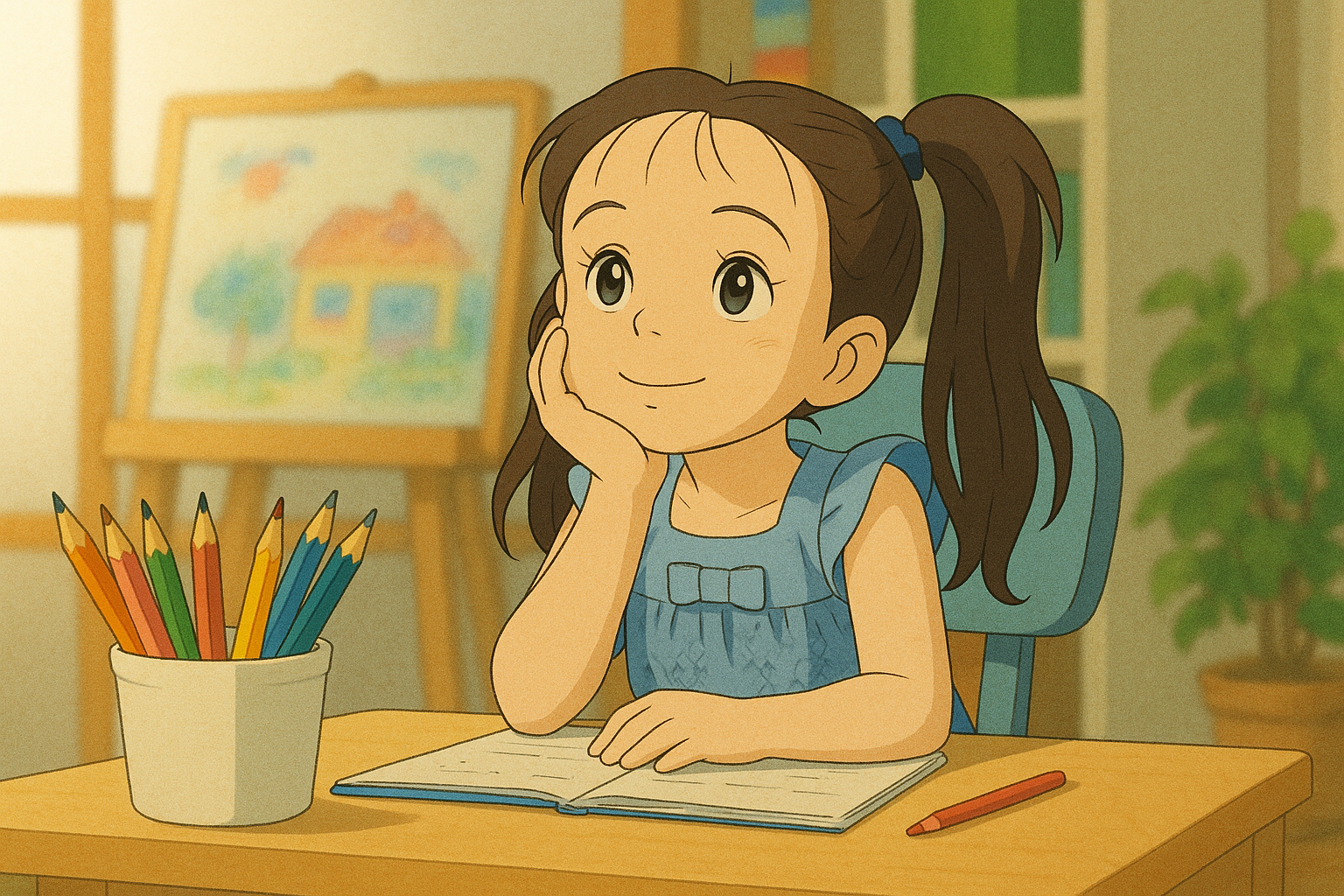
A Teacher’s Guide to Creating a Growth Mindset Classroom
As we continue to navigate education’s increasing complexities, creating a growth mindset in our students is no longer a luxury, it’s a necessity. Children are undergoing pressures, academically and socially, at unprecedented levels. Teachers can directly influence what culture their students learn, fail, and grow. But, what does a growth mindset look like in a classroom? As a teacher, how can you intentionally create that growth mindset? To answer those questions, let’s look at practical suggestions, what to avoid, and some high-level research-based guidance to turn your classroom into a safe space for learning, resilience, and confidence for life. What is a Growth Mindset? Psychologist Carol Dweck coined the term growth mindset to mean the belief that abilities and intelligence can be cultivated through hard work, persistence, and learning from mistakes. A fixed mindset is the opposite: the belief that ability and intelligence are fixed characteristics. When children have a belief system that says they can get smarter, they expend effort, which leads to achievement. Reasons Why Educators Must Foster a Growth Mindset Fostering grit and perseverance Fostering emotional intelligence and self-awareness Helping students reframe challenges as opportunities Decreasing fear of failure and performance anxiety Establishing a love of learning instead of a love of grades Ways to Create a Growth Mindset Classroom Model it Yourself Your own actions establish the norms. Say when you’re uncertain, demonstrate your learning from mistakes, and maintain a positive view about effort. Example: “I got that wrong, but now I know how to make improvements next time. Learning never ends—even for teachers!” Use Growth Language Be deliberate as to the language you use. Be cautious never to label kids as “smart” or “slow”. Rather, focus your feedback on effort, strategies, and steps of progress. You should say: “You worked really hard on that problem—what strategy did you use?” Rather than: “You’re so smart—you got it quickly!” Treat Mistakes as Learning Opportunities Establish an environment where it’s ok not to get it right. Use class time to reflect on mistakes and what can be learned from them, openly if possible. Set goals & Track progress Let the students consistently set personal learning goals (and review goals regularly). This will help to establish a sense of ownership and engagement to their learning. Use goal journals, graphs or progress charts, and self-assessment rubrics as tools. Ask students to reflect At the end of lessons you can ask students to reflect on any of the questions below: What was challenging for you today? What was your learning from it? How did you overcome it? Mistakes for Teachers to Avoid Prioritizing intelligence versus effort- This promotes a fixed mindset. Children will not attempt hard tasks fearing they will lose their “smart” status. Comparing students- Each learner is an individual. Once a comparison is made, feelings of mediocrity are emulated by students. Focusing on results- It is more important to focus on how a student approached solving a problem rather than the results. This is a huge part of the process. Not letting students struggle- Rushing in to help students each time they get stuck is not going to help their learning. Productive struggle is a powerful way to help students grow and learn. Conclusion Instilling a growth mindset is one of the most meaningful gifts that a teacher can offer. It extends past academics—affecting how students view themselves, their abilities, and ultimately how they perceive their world. By being intentional about language, creating space for missteps, and prioritizing progress over perfection, you establish a culture that empowers every learner’s growth.