

 Team Hashtag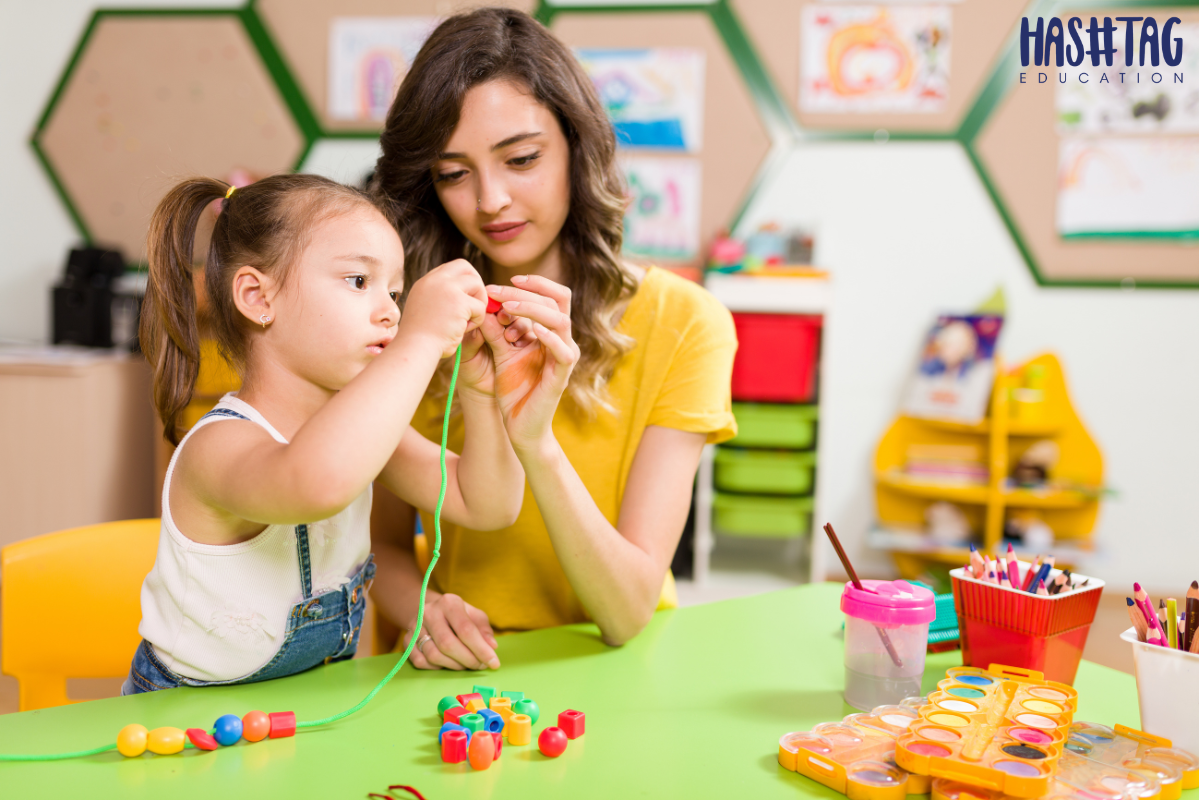
Simple and Powerful Preschool Teaching Strategies for Better Learning
Preschool Teaching Strategies are not just about teaching letters, numbers, or activities; they are about shaping how a child feels about learning for the very first time. These early experiences can either build curiosity or create pressure. And once that feeling is formed, it often stays with them for years.
Every child is naturally eager to explore. They ask questions, observe everything, and try to understand the world in their own way. The real question is, are we teaching in a way that supports this curiosity, or are we unknowingly limiting it? The right strategies don’t push children to learn faster; they help them learn better.
Preschool Teaching Strategies: Why They Matter So Much
Preschool Teaching Strategies play a crucial role during the most important stage of brain development. In these early years, children are not just learning content; they are learning how to think, respond, and express themselves.
When teaching methods are engaging and child-friendly, children become confident and interested in learning. But when learning feels forced, children may lose that natural excitement. That’s why modern education focuses on play-based, interactive, and experiential learning, rather than rote memorization.
Preschool Teaching Strategies That Truly Work
The most effective Preschool Teaching Strategies are simple, natural, and aligned with how children learn best.
Learning Through Play
Play is not just fun; it is the most powerful learning tool. Through games, storytelling, and role play, children understand concepts without feeling pressured.
Interactive Learning
Children learn better when they are involved. Asking questions, encouraging conversations, and listening to their ideas help build communication and thinking skills.
Activity-Based Learning
Hands-on activities like sorting, building, and matching help children develop problem-solving and creativity.
Storytelling and Rhymes
Stories and rhymes make learning memorable. They improve language skills and help children connect ideas easily.
Learning Through Experience
Children learn more when they see, touch, and explore. Real-life experiences make learning meaningful and long-lasting.
Read Also: Fun Learning Activities at Home: Simple Ideas Kids Love
How These Strategies Shape a Child’s Future
Using the right Preschool Teaching Strategies does more than improve learning; it shapes a child’s personality.
Children who learn in a positive environment become more confident, curious, and independent. They are not afraid to ask questions or try new things. This mindset becomes the foundation for future success, not just in school, but in life.
On the other hand, when learning feels stressful, children may hesitate, lose interest, or become dependent on instructions. This is why the way we teach matters just as much as what we teach.
Role of Teachers and Parents
Both teachers and parents play an important role in applying Preschool Teaching Strategies. Learning is not limited to classrooms; it continues at home through simple interactions.
Talking to children, playing with them, and encouraging their ideas can make a huge difference. Children don’t need perfect teaching; they need a supportive environment where they feel safe to explore and learn.
Consistency, patience, and encouragement are the most powerful tools adults can use. When children feel supported, they naturally become active learners.
A Thought to Reflect On
The goal is not to create children who only follow instructions; it is to raise children who think, question, and grow with confidence.
The right Preschool Teaching Strategies don’t just teach, they inspire.
Read Also: How to prepare your child for preschool
 English