

 Team Hashtag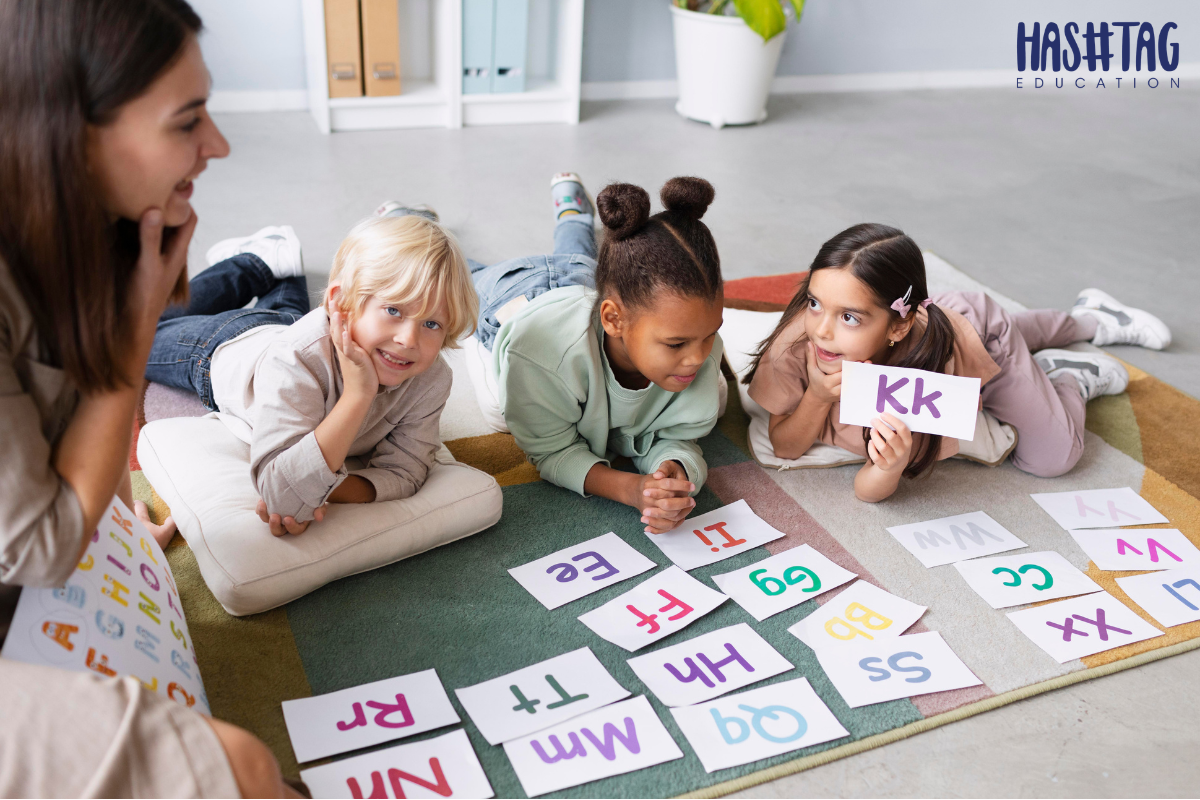
Simple and Fun Ways to Teach Phonics to Preschoolers
How to Teach Phonics to Preschoolers doesn’t need to feel like a formal lesson. At this age, children learn best through play, stories, and everyday interactions. You’ll often notice them repeating sounds, enjoying rhymes, or pointing at letters; they are already exploring language in their own way.
The key is to guide this natural curiosity. When phonics is introduced through fun and simple activities, children start connecting sounds with letters without even realizing they are learning. This early exposure builds a strong base for reading and writing later on.
How to Teach Phonics to Preschoolers Step by Step
When thinking about how to Teach Phonics to preschoolers, it helps to keep things simple and gradual. Children don’t need to read full words immediately; they just need to understand sounds first.
Start with Listening to Sounds
Before letters come into the picture, focus on sounds. Rhymes, songs, and clapping games help children hear patterns in words and recognize different sounds.
Introduce Letter Sounds Naturally
Instead of only teaching letter names, focus on the sound each letter makes. For example, saying “/m/” instead of “em” helps children understand how sounds work in real words.
Connect Sounds with Letters
Once children start recognizing sounds, show them how those sounds match with written letters. This step helps them see how spoken words turn into written ones.
Try Simple Word Blending
When children are comfortable with sounds, you can gently introduce blending. Words like “cat” or “sun” become easier when children learn to combine sounds slowly.
Read Also: Fun Learning Activities at Home: Simple Ideas Kids Love
Why How to Teach Phonics to Preschoolers Matters
Understanding how to Teach Phonics to preschoolers is important because phonics is what helps children actually read, not just memorize words. It gives them the tools to break down unfamiliar words and figure them out on their own.
Children who learn phonics early often feel more confident when they start school. They are better prepared to read, write, and understand new words. It also makes learning less stressful because they know how to approach new words step by step.
Key Benefits:
Helps children read new words independently
Improves pronunciation and listening skills
Builds confidence in early learning
Strengthens vocabulary over time
Supports overall language development
Fun Ways to Teach Phonics to Preschoolers
Phonics works best when it feels like play rather than learning. The more relaxed and enjoyable the activity, the more children stay interested.
Use Rhymes and Songs
Children love repetition, and rhymes naturally teach sound patterns. Songs make learning sounds feel effortless.
Turn Learning into a Game
Simple games like finding objects that start with a certain sound or matching letters with sounds keep children engaged.
Read Together Daily
Reading picture books aloud helps children hear sounds in context. Pointing to words while reading helps them connect sounds with letters.
Add Actions to Sounds
Using hand movements or gestures with sounds makes learning more interactive and easier to remember.
Read Also: How to teach your child phonics
Tips for Parents and Teachers
Teaching phonics doesn’t require long lessons or strict methods. When thinking about how to Teach Phonics to preschoolers, consistency and patience matter more than perfection.
Keep sessions short and enjoyable. Let children learn at their own pace, and celebrate little progress. Some days they may be more interested than others, and that’s completely normal.
The goal is not to rush reading but to build a love for language. When children enjoy the process, learning happens naturally, and phonics becomes a fun part of their everyday world.
 English