

 Team Hashtag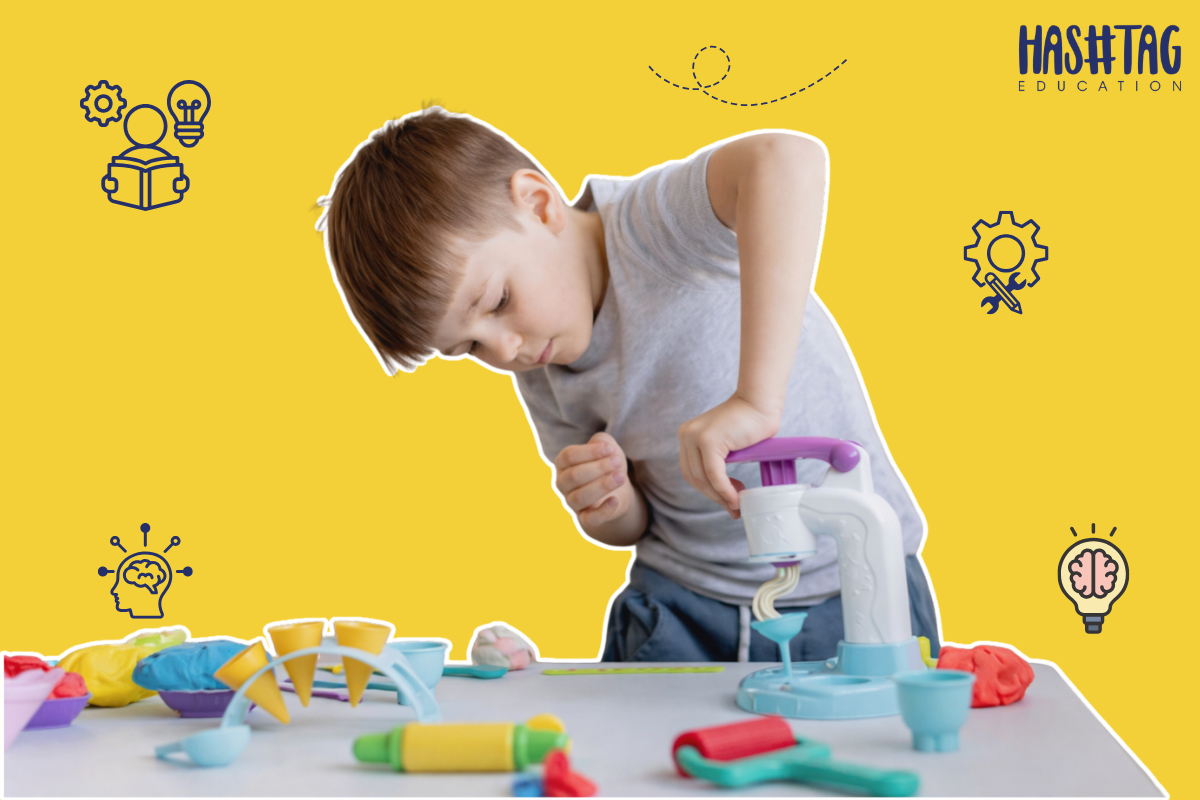
Simple Ways to Improve Fine Motor Skills in Kids
Fine Motor Skills in Kids refer to the ability to use small muscles in the hands and fingers for precise movements. These skills are essential for tasks like writing, drawing, eating, and dressing.
When children regularly practice activities that support Fine Motor Skills in Kids, they become more comfortable handling everyday tasks on their own. It also improves hand-eye coordination, which is important for both academic learning and play. Over time, these skills help children stay focused, patient, and more confident in their abilities.
Why How to Develop Fine Motor Skills in Kids Matters
When we talk about how to Develop Fine Motor Skills in Kids, we are focusing on the small muscle movements in the hands and fingers. These skills are important for tasks like writing, drawing, eating, and even getting dressed.
Children who regularly practice how to Develop Fine Motor Skills in Kids tend to become more confident in handling daily activities on their own. It also improves their hand-eye coordination, which is important for both academic tasks and play. Over time, these skills support better focus, patience, and overall development.
Key Benefits of How to Develop Fine Motor Skills in Kids:
- Builds hand strength and finger control
- Improves coordination between hands and eyes
- Supports writing and classroom readiness
- Encourages independence in daily tasks
- Boosts confidence and focus
Activities to Support How to Develop Fine Motor Skills in Kids
The good news is that How to Develop Fine Motor Skills in Kids does not require complicated tools or structured lessons. Many activities can be easily included in daily routines.
Read Also: Cognitive Development Activities for Kids: Powerful Boost
Drawing and Coloring
Giving children crayons, pencils, or markers helps them practice grip and control. Even simple scribbling plays an important role in development.
Cutting and Craft Work
Using child-safe scissors, pasting paper, and creating simple crafts strengthen finger muscles and coordination.
Playdough and Clay Activities
Squeezing, rolling, and shaping dough is one of the most effective ways to build hand strength while keeping children engaged.
Picking and Sorting Small Objects
Activities like picking beads, buttons, or small toys help improve precision and control over finger movements.
Daily Life Practice
Simple tasks like buttoning clothes, opening containers, or holding a spoon are practical ways to support How to Develop Fine Motor Skills in Kids.
Easy Ways to Encourage How to Develop Fine Motor Skills in Kids
You don’t need special materials to work on How to Develop Fine Motor Skills in Kids. Small changes in daily habits can make a big difference.
Encourage Hands-On Activities
Let children explore different materials and textures regularly. The more they use their hands, the better they learn.
Make Practice Part of Daily Routine
Include children in simple household tasks that require hand use, like arranging toys or helping with small chores.
Be Patient and Supportive
Every child develops at their own pace. Encouragement helps children stay motivated and confident.
Keep It Fun and Stress-Free
Learning should never feel forced. When activities are enjoyable, children naturally stay engaged and improve over time.
Read Also: Babies need humans, not screens
Role of Parents and Teachers
Parents and teachers play a very important role in guiding how to Develop Fine Motor Skills in Kids. A supportive environment allows children to try, make mistakes, and learn without pressure.
By regularly focusing on how to Develop Fine Motor Skills in Kids, adults can help children build essential skills that support both learning and independence. Even small, consistent efforts can create a strong foundation for a child’s future growth.
 English