

NEP 2020 for Preschool Education: Big Changes Ahead
Why NEP 2020 is Changing the Way Preschool Education Works NEP 2020 for Preschool Education is not just another policy; it’s a wake-up call for how we look at early childhood learning. For years, preschool was often seen as just a place where children play before “real education” begins. But what if these early years are actually the most important ones? A child’s brain develops faster in the first few years than at any other stage of life. Every conversation, every story, every small activity shapes how they think, feel, and learn. NEP 2020 recognizes this powerful truth, and that’s where everything begins to change. NEP 2020 for Preschool Education: Why This Shift Matters NEP 2020 for Preschool Education brings a major shift in mindset. It tells us that learning is not just about books and classrooms; it starts much earlier, in a child’s everyday experiences. The policy introduces the foundational stage (ages 3–8), combining preschool and early primary years. This means children are no longer pushed into formal learning too early. Instead, they are given time to grow, explore, and understand the world in a natural way. This shift matters because when children feel safe, curious, and engaged, they learn better. It’s not about making them memorize; it’s about helping them understand. What NEP 2020 for Preschool Education Really Changes The biggest change in NEP 2020 for Preschool Education is how learning happens. The focus moves away from rote learning and towards play-based, activity-based, and experiential learning. Learning Through Play, Not Pressure Children learn best when they play. Whether it’s storytelling, games, or creative activities, learning becomes enjoyable instead of stressful. Focus on Overall Development It’s not just about reading and writing anymore. NEP 2020 focuses on emotional, social, physical, and cognitive development, all equally important. School Readiness, Not Academic Pressure Instead of forcing early academics, children are prepared with basic skills like communication, thinking, and problem-solving. Stronger Early Education Systems The integration of Anganwadi and preschool systems ensures that more children get access to structured early learning. Read Also: How to Teach Phonics to Preschoolers: Fun & Easy Methods Why This Matters for Your Child For parents, NEP 2020 for Preschool Education is a reminder that learning doesn’t begin in Grade 1; it begins much earlier. Children who experience play-based learning in their early years tend to be more confident, curious, and independent. They are not just better at academics; they are better at thinking, adapting, and expressing themselves. This approach reduces pressure and allows children to enjoy learning instead of fearing it. And when children enjoy learning, they carry that mindset for life. Role of Parents in NEP 2020 for Preschool Education NEP 2020 doesn’t just change schools; it changes the role of parents, too. Learning is no longer limited to classrooms. Simple everyday moments, such as talking, storytelling, playing, and asking questions, become powerful learning experiences. When parents engage with children, they create an environment where curiosity grows naturally. You don’t need special tools or structured lessons. What children need most is time, attention, and encouragement. Read Also: Early childhood education A Thought to Take With You The early years pass quickly, but their impact lasts forever. NEP 2020 for Preschool Education is not just about changing education; it’s about giving every child a better start. And sometimes, that start begins with the simplest things: a conversation, a story, or a moment of play.
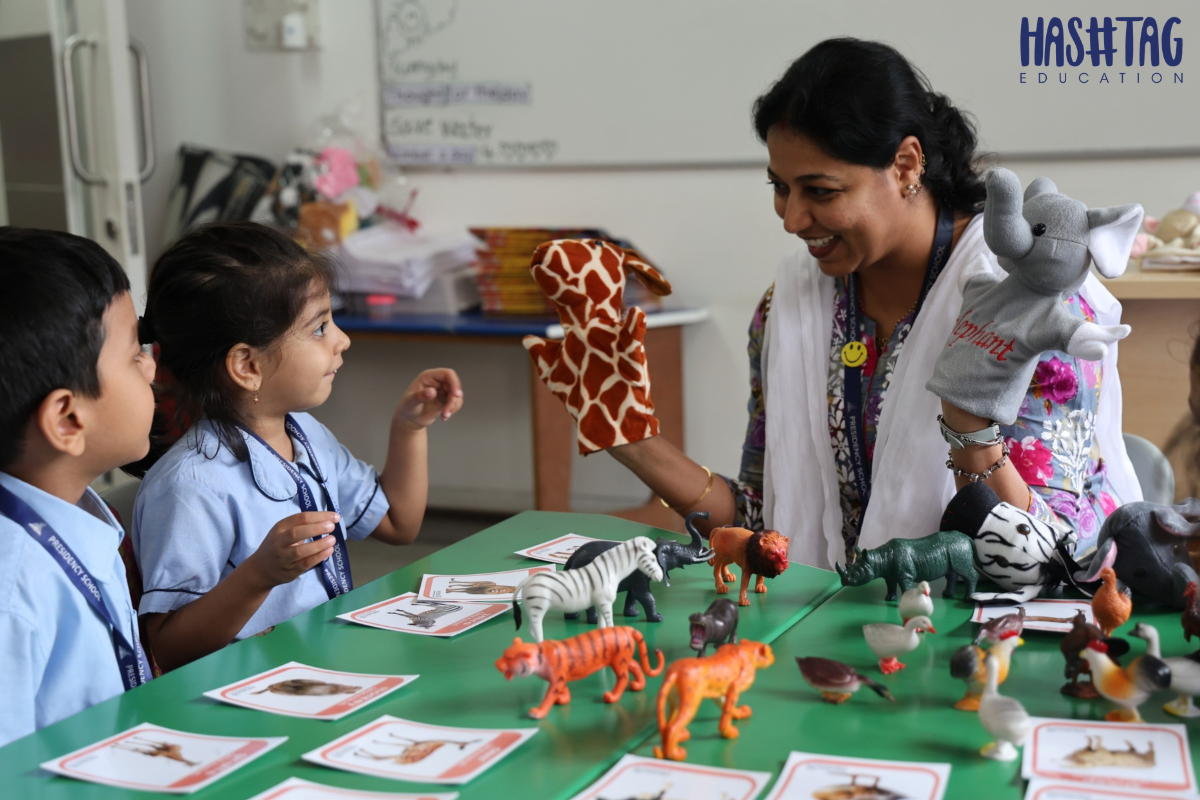
Best Preschool Curriculum in India: Don’t Choose Wrong
How to Choose the Best Preschool Curriculum in India The best preschool curriculum in India is not just about what your child learns; it’s about how they begin their learning journey. These early years are not a race to read or write faster. They are about building curiosity, confidence, and a love for learning that lasts a lifetime. Many parents feel confused when choosing a preschool curriculum. With so many options available, it’s easy to focus on worksheets and early academics. But the truth is, the right curriculum doesn’t rush children; it helps them grow naturally through play, exploration, and meaningful experiences. Best Preschool Curriculum in India: What Really Matters When we talk about the Best Preschool Curriculum in India, it’s important to look beyond books and structured lessons. A good curriculum focuses on how children learn, not just what they learn. According to NEP 2020, early childhood education should be play-based, activity-based, and focused on overall development rather than rote learning. The best curriculum supports a child’s emotional, social, physical, and cognitive growth. It allows children to explore, ask questions, and learn through real experiences instead of memorization. Read Also: Preschool Teaching Strategies That Truly Help Kids Learn Key Features to Look For: Types of Preschool Curriculum in India There are different approaches to the Best Preschool Curriculum in India, and each has its own strengths. Understanding them can help you make a better choice. Play-Based Curriculum (NEP 2020 Aligned) This approach focuses on learning through games, storytelling, music, and activities. It helps children learn naturally without pressure and builds strong foundational skills. EYFS (Early Years Foundation Stage) Inspired by international standards, EYFS focuses on structured play, exploration, and child-led learning. It supports communication, physical development, and social skills in a balanced way. Montessori Method This method encourages independence and hands-on learning. Children learn at their own pace using specially designed materials. Integrated Curriculum Some preschools combine different approaches to create a flexible and balanced learning system suited to modern needs. Read Also: Preschool Curriculum Programs Why the Right Curriculum Matters for Your Child Choosing the Best Preschool Curriculum in India can shape how your child sees learning for years to come. A child exposed to the right environment becomes more confident, curious, and independent. Instead of feeling pressured, they enjoy discovering new things. Research also shows that early childhood education builds the foundation for lifelong learning and development. On the other hand, a curriculum that focuses too much on early academics can create stress and reduce a child’s natural interest in learning. How Parents Can Make the Right Choice Finding the Best Preschool Curriculum in India doesn’t mean choosing the most popular one; it means choosing what suits your child. Observe the Learning Environment Look for classrooms where children are active, engaged, and happy rather than silent and pressured. Focus on Learning Methods, Not Just Results Ask how children are taught, not just what they are taught. Check Teacher Interaction Teachers should guide, support, and encourage, not just instruct. Choose Balance Over Pressure A good curriculum balances play, learning, and development without rushing the child. A Thought for Parents The early years don’t come back. Choosing the Best Preschool Curriculum in India is not about preparing your child for exams; it’s about preparing them for life. When children are given the right start, they don’t just learn better they grow better.
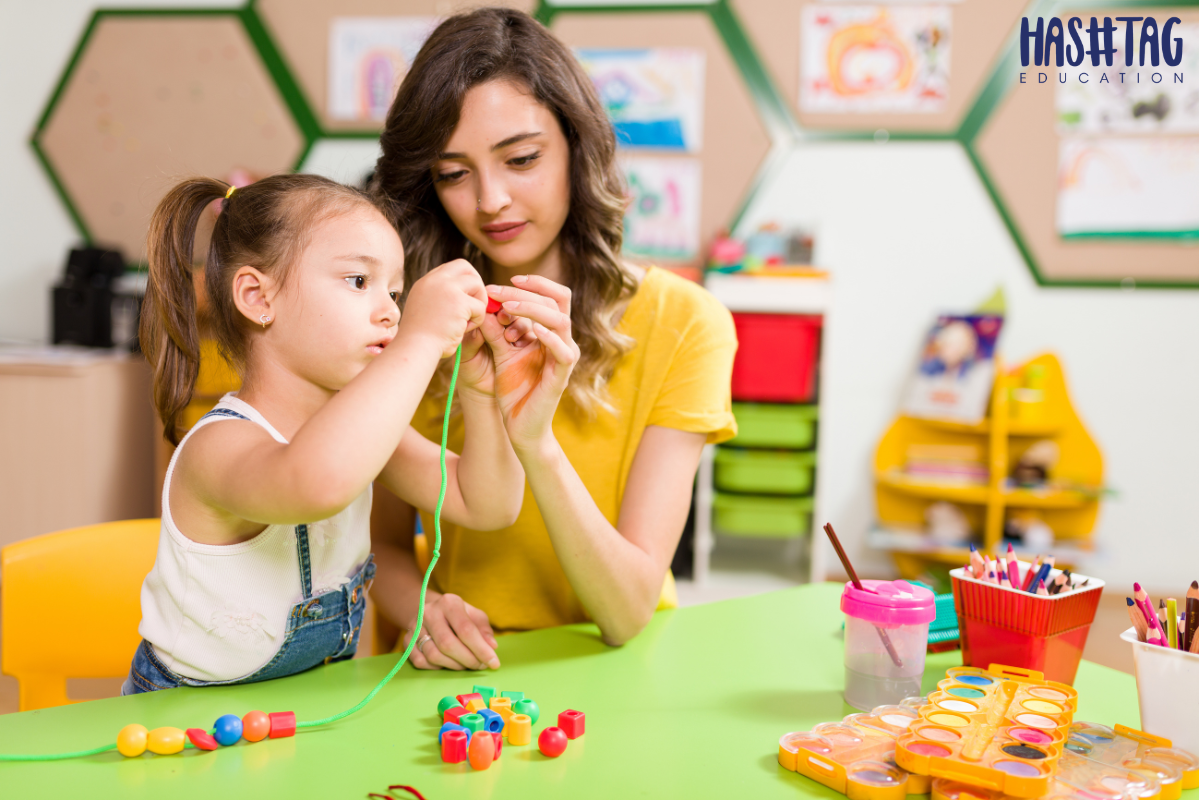
Preschool Teaching Strategies That Truly Help Kids Learn
Simple and Powerful Preschool Teaching Strategies for Better Learning Preschool Teaching Strategies are not just about teaching letters, numbers, or activities; they are about shaping how a child feels about learning for the very first time. These early experiences can either build curiosity or create pressure. And once that feeling is formed, it often stays with them for years. Every child is naturally eager to explore. They ask questions, observe everything, and try to understand the world in their own way. The real question is, are we teaching in a way that supports this curiosity, or are we unknowingly limiting it? The right strategies don’t push children to learn faster; they help them learn better. Preschool Teaching Strategies: Why They Matter So Much Preschool Teaching Strategies play a crucial role during the most important stage of brain development. In these early years, children are not just learning content; they are learning how to think, respond, and express themselves. When teaching methods are engaging and child-friendly, children become confident and interested in learning. But when learning feels forced, children may lose that natural excitement. That’s why modern education focuses on play-based, interactive, and experiential learning, rather than rote memorization. Preschool Teaching Strategies That Truly Work The most effective Preschool Teaching Strategies are simple, natural, and aligned with how children learn best. Learning Through Play Play is not just fun; it is the most powerful learning tool. Through games, storytelling, and role play, children understand concepts without feeling pressured. Interactive Learning Children learn better when they are involved. Asking questions, encouraging conversations, and listening to their ideas help build communication and thinking skills. Activity-Based Learning Hands-on activities like sorting, building, and matching help children develop problem-solving and creativity. Storytelling and Rhymes Stories and rhymes make learning memorable. They improve language skills and help children connect ideas easily. Learning Through Experience Children learn more when they see, touch, and explore. Real-life experiences make learning meaningful and long-lasting. Read Also: Fun Learning Activities at Home: Simple Ideas Kids Love How These Strategies Shape a Child’s Future Using the right Preschool Teaching Strategies does more than improve learning; it shapes a child’s personality. Children who learn in a positive environment become more confident, curious, and independent. They are not afraid to ask questions or try new things. This mindset becomes the foundation for future success, not just in school, but in life. On the other hand, when learning feels stressful, children may hesitate, lose interest, or become dependent on instructions. This is why the way we teach matters just as much as what we teach. Role of Teachers and Parents Both teachers and parents play an important role in applying Preschool Teaching Strategies. Learning is not limited to classrooms; it continues at home through simple interactions. Talking to children, playing with them, and encouraging their ideas can make a huge difference. Children don’t need perfect teaching; they need a supportive environment where they feel safe to explore and learn. Consistency, patience, and encouragement are the most powerful tools adults can use. When children feel supported, they naturally become active learners. A Thought to Reflect On The goal is not to create children who only follow instructions; it is to raise children who think, question, and grow with confidence. The right Preschool Teaching Strategies don’t just teach, they inspire. Read Also: How to prepare your child for preschool
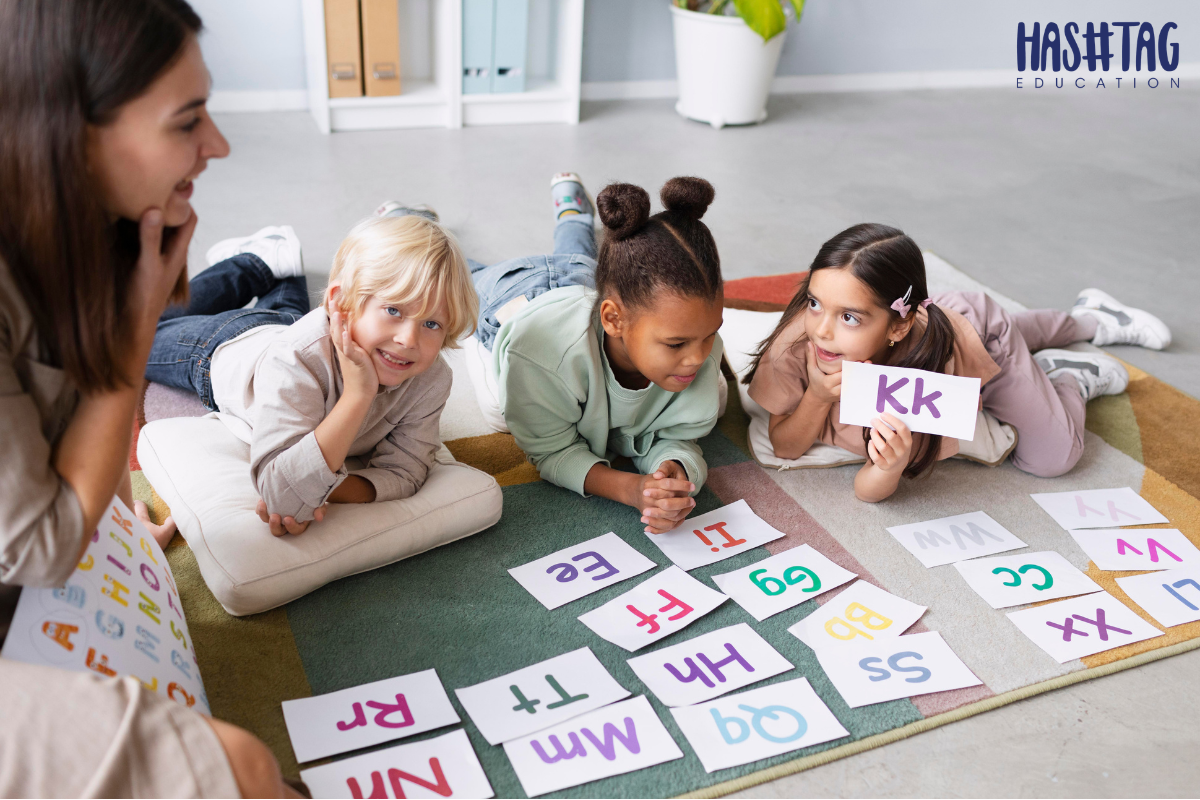
How to Teach Phonics to Preschooler: Fun & Easy Methods
Simple and Fun Ways to Teach Phonics to Preschoolers How to Teach Phonics to Preschoolers doesn’t need to feel like a formal lesson. At this age, children learn best through play, stories, and everyday interactions. You’ll often notice them repeating sounds, enjoying rhymes, or pointing at letters; they are already exploring language in their own way. The key is to guide this natural curiosity. When phonics is introduced through fun and simple activities, children start connecting sounds with letters without even realizing they are learning. This early exposure builds a strong base for reading and writing later on. How to Teach Phonics to Preschoolers Step by Step When thinking about how to Teach Phonics to preschoolers, it helps to keep things simple and gradual. Children don’t need to read full words immediately; they just need to understand sounds first. Start with Listening to Sounds Before letters come into the picture, focus on sounds. Rhymes, songs, and clapping games help children hear patterns in words and recognize different sounds. Introduce Letter Sounds Naturally Instead of only teaching letter names, focus on the sound each letter makes. For example, saying “/m/” instead of “em” helps children understand how sounds work in real words. Connect Sounds with Letters Once children start recognizing sounds, show them how those sounds match with written letters. This step helps them see how spoken words turn into written ones. Try Simple Word Blending When children are comfortable with sounds, you can gently introduce blending. Words like “cat” or “sun” become easier when children learn to combine sounds slowly. Read Also: Fun Learning Activities at Home: Simple Ideas Kids Love Why How to Teach Phonics to Preschoolers Matters Understanding how to Teach Phonics to preschoolers is important because phonics is what helps children actually read, not just memorize words. It gives them the tools to break down unfamiliar words and figure them out on their own. Children who learn phonics early often feel more confident when they start school. They are better prepared to read, write, and understand new words. It also makes learning less stressful because they know how to approach new words step by step. Key Benefits: Helps children read new words independently Improves pronunciation and listening skills Builds confidence in early learning Strengthens vocabulary over time Supports overall language development Fun Ways to Teach Phonics to Preschoolers Phonics works best when it feels like play rather than learning. The more relaxed and enjoyable the activity, the more children stay interested. Use Rhymes and Songs Children love repetition, and rhymes naturally teach sound patterns. Songs make learning sounds feel effortless. Turn Learning into a Game Simple games like finding objects that start with a certain sound or matching letters with sounds keep children engaged. Read Together Daily Reading picture books aloud helps children hear sounds in context. Pointing to words while reading helps them connect sounds with letters. Add Actions to Sounds Using hand movements or gestures with sounds makes learning more interactive and easier to remember. Read Also: How to teach your child phonics Tips for Parents and Teachers Teaching phonics doesn’t require long lessons or strict methods. When thinking about how to Teach Phonics to preschoolers, consistency and patience matter more than perfection. Keep sessions short and enjoyable. Let children learn at their own pace, and celebrate little progress. Some days they may be more interested than others, and that’s completely normal. The goal is not to rush reading but to build a love for language. When children enjoy the process, learning happens naturally, and phonics becomes a fun part of their everyday world.
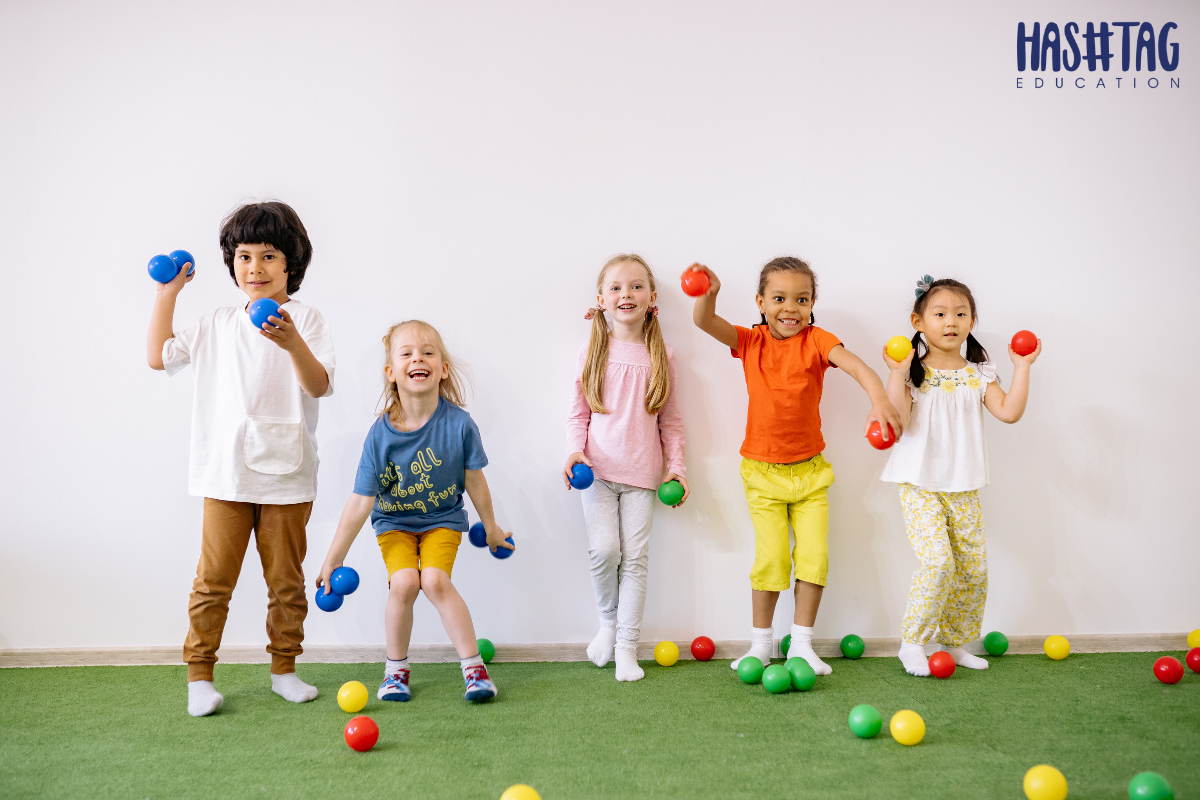
Fun Learning Activities at Home: Simple Ideas Kids Love
Simple and Fun Learning Activities at Home for Kids Fun Learning Activities at Home don’t have to be complicated or planned in advance. In fact, some of the best learning moments happen during simple, everyday play. When children are given the freedom to explore, create, and imagine, they naturally start learning without even realizing it. Whether it’s building something with blocks, drawing on paper, or playing pretend, these small activities help children grow in many ways. Learning at home becomes more meaningful when it feels like fun instead of a task. Why Fun Learning Activities at Home Matter Fun Learning Activities at Home are important because children learn best when they are relaxed and enjoying what they do. Play allows them to explore new ideas, try different things, and understand how the world works around them. When children are involved in these activities, they begin to think more creatively and solve problems on their own. They also become more confident in expressing their thoughts and ideas. Over time, these simple experiences build important skills that support both learning and personal growth. Key Benefits: Encourages creativity and imagination Helps children think and solve problems Builds confidence and independence Improves communication skills Strengthens parent-child bonding Read Also: Fine Motor Skills in Kids: Build Strong Hand Control Types of Fun Learning Activities at Home There are many Fun Learning Activities at Home that can be done without special materials. Most of them use things you already have around you. Creative Activities Drawing, painting, and simple craft work allow children to express their ideas freely. These activities also help improve hand control and focus. Puzzle and Thinking Games Simple puzzles, matching games, or memory activities help children develop logical thinking and concentration. Role Play and Storytelling Pretend play is one of the most powerful ways children learn. Acting out real-life situations or telling stories builds imagination and language skills. Outdoor and Nature Activities Spending time outside, collecting leaves, or observing nature helps children stay active and curious about their surroundings. Easy Ways to Create Fun Learning Activities at Home You don’t need expensive toys or a perfect setup to plan Fun Learning Activities at Home. What matters most is how you involve your child. Use What You Already Have Everyday items like boxes, paper, or kitchen tools can be turned into fun learning materials. Follow Your Child’s Interest Let children choose what they enjoy. When they are interested, they naturally stay engaged for longer. Keep It Simple Short and simple activities work better than long sessions. Children learn more when they are not overwhelmed. Let Them Explore Allow children to try things their own way. Mistakes are part of learning and help them grow. Read Also: Play-based learning activities for children aged 3 to 10 Role of Parents in Learning at Home Parents play a very important role in making Fun Learning Activities at Home meaningful. You don’t need to teach like a classroom teacher; just being present, encouraging, and involved is enough. Spending time together through play builds a strong bond and creates a positive learning environment. When children feel supported, they become more confident and willing to try new things. At the end of the day, it’s not about doing everything perfectly. It’s about creating small, joyful moments where children can learn, explore, and grow in their own way.
Fine Motor Skills in Kids: Build Strong Hand Control
Simple Ways to Improve Fine Motor Skills in Kids Fine Motor Skills in Kids refer to the ability to use small muscles in the hands and fingers for precise movements. These skills are essential for tasks like writing, drawing, eating, and dressing. When children regularly practice activities that support Fine Motor Skills in Kids, they become more comfortable handling everyday tasks on their own. It also improves hand-eye coordination, which is important for both academic learning and play. Over time, these skills help children stay focused, patient, and more confident in their abilities. Why How to Develop Fine Motor Skills in Kids Matters When we talk about how to Develop Fine Motor Skills in Kids, we are focusing on the small muscle movements in the hands and fingers. These skills are important for tasks like writing, drawing, eating, and even getting dressed. Children who regularly practice how to Develop Fine Motor Skills in Kids tend to become more confident in handling daily activities on their own. It also improves their hand-eye coordination, which is important for both academic tasks and play. Over time, these skills support better focus, patience, and overall development. Key Benefits of How to Develop Fine Motor Skills in Kids: Activities to Support How to Develop Fine Motor Skills in Kids The good news is that How to Develop Fine Motor Skills in Kids does not require complicated tools or structured lessons. Many activities can be easily included in daily routines. Read Also: Cognitive Development Activities for Kids: Powerful Boost Drawing and Coloring Giving children crayons, pencils, or markers helps them practice grip and control. Even simple scribbling plays an important role in development. Cutting and Craft Work Using child-safe scissors, pasting paper, and creating simple crafts strengthen finger muscles and coordination. Playdough and Clay Activities Squeezing, rolling, and shaping dough is one of the most effective ways to build hand strength while keeping children engaged. Picking and Sorting Small Objects Activities like picking beads, buttons, or small toys help improve precision and control over finger movements. Daily Life Practice Simple tasks like buttoning clothes, opening containers, or holding a spoon are practical ways to support How to Develop Fine Motor Skills in Kids. Easy Ways to Encourage How to Develop Fine Motor Skills in Kids You don’t need special materials to work on How to Develop Fine Motor Skills in Kids. Small changes in daily habits can make a big difference. Encourage Hands-On Activities Let children explore different materials and textures regularly. The more they use their hands, the better they learn. Make Practice Part of Daily Routine Include children in simple household tasks that require hand use, like arranging toys or helping with small chores. Be Patient and Supportive Every child develops at their own pace. Encouragement helps children stay motivated and confident. Keep It Fun and Stress-Free Learning should never feel forced. When activities are enjoyable, children naturally stay engaged and improve over time. Read Also: Babies need humans, not screens Role of Parents and Teachers Parents and teachers play a very important role in guiding how to Develop Fine Motor Skills in Kids. A supportive environment allows children to try, make mistakes, and learn without pressure. By regularly focusing on how to Develop Fine Motor Skills in Kids, adults can help children build essential skills that support both learning and independence. Even small, consistent efforts can create a strong foundation for a child’s future growth.
Cognitive Development Activities for Kids: Powerful Boost
Cognitive Development Activities for Kids begin in the simplest moments of a child’s daily life. When children ask questions, solve small problems, or explore their surroundings, they are actively building their thinking skills. These early experiences play a big role in how children learn, understand, and respond to the world around them. By introducing Cognitive Development Activities for Kids at an early stage, we help them develop memory, attention, and logical thinking in a natural and engaging way. Even simple activities like observing objects or answering questions can gradually strengthen a child’s ability to think independently. Why Cognitive Development Activities for Kids Matter Children’s brains develop very quickly in the early years, and this is when Cognitive Development Activities for Kids can make the biggest difference. These activities are not about formal lessons but about creating opportunities for children to think, observe, and explore freely. When children regularly engage in Cognitive Development Activities for Kids, they begin to develop curiosity and confidence. They learn how to recognize patterns, make connections, and solve simple problems independently. Over time, these skills build a strong foundation for academic learning as well as everyday decision-making. These activities also help children become more adaptable and better prepared to face new situations. Read Also: Playing with Your Child: 8 Powerful Educational Benefits of Shared Fun Key Benefits of Cognitive Development Activities for Kids: Types of Cognitive Development Activities for Kids There are many easy and effective Cognitive Development Activities for Kids that can be included in everyday routines. The best part is that children often see them as play rather than learning. Puzzle and Thinking Games Simple puzzles, matching cards, and problem-solving games help children think critically and improve their reasoning skills. Memory-Based Activities Activities like remembering objects, repeating patterns, or storytelling help strengthen memory and attention. Sorting and Grouping Grouping objects based on color, shape, or size helps children understand patterns and relationships. Question and Exploration Activities Encouraging children to ask “why” and “how” questions supports curiosity and deeper thinking. Read Also: Indoor games that support your child’s development Easy Ways to Encourage Cognitive Development Activities for Kids Supporting Cognitive Development Activities for Kids does not require special tools or complex plans. Small, consistent efforts can make a big difference. Encourage Curiosity Give children the freedom to ask questions and explore their surroundings without rushing to give answers. Use Play as Learning Games and playful interactions make Cognitive Development Activities for Kids more engaging and effective. Include Daily Life Activities Simple tasks like counting objects, arranging toys, or observing nature can strengthen thinking skills. Allow Independent Thinking Let children try solving problems on their own. This builds confidence and decision-making ability. Role of Parents and Teachers Parents and teachers play an important role in supporting Cognitive Development Activities for Kids. A positive and patient environment encourages children to think freely and try new ideas without fear of making mistakes. When adults actively engage with children through conversation, play, and simple guidance, it creates a strong learning experience. Regular involvement in Cognitive Development Activities for Kids helps children become more confident thinkers who are ready to explore and learn independently. Children also benefit from consistent encouragement and interaction. When parents and teachers participate in Cognitive Development Activities for Kids, it strengthens the child’s ability to focus, question, and understand new concepts. Over time, these small efforts help children develop strong thinking skills that support both learning and everyday life.

Creative Art Activities for Kids: Don’t Miss Fun Ideas
Creative Art Activities for Kids are often the simplest yet most meaningful way to support a child’s early development. It doesn’t always have to be structured learning, sometimes, a child with colors, paper, and a little freedom can learn more than expected. Whether it’s painting, doodling, or making small crafts, these moments allow children to explore their imagination in their own unique way. When children take part in Creative Art Activities for Kids, they are not just keeping themselves busy. They are learning how to think, make choices, and express their ideas. Over time, these small activities quietly build confidence, focus, and creativity, skills that stay with them for life. Why Creative Art Activities for Kids Matter Creative Art Activities for Kids play a much bigger role than we often realize. Children naturally enjoy creating things, and when they are given the space to do so, they start thinking more independently. There is no “right” or “wrong” in art, which makes it a safe space for children to experiment and learn without fear. Another important benefit of Creative Art Activities for Kids is emotional expression. Many young children cannot fully express their feelings in words, but through drawing or painting, they can show what they feel and think. At the same time, these activities support physical development. Simple actions like holding crayons, cutting paper, or brushing paint help improve hand strength and coordination, skills that are essential for writing later on. Read Also: 7 Powerful Ways Conscious Parenting Gently Shapes Discipline Key Benefits of Creative Art Activities for Kids: Types of Creative Art Activities for Kids There are plenty of Creative Art Activities for Kids that don’t require special materials or preparation. In fact, the best activities are often the simplest ones where children can explore freely. Painting and Coloring Activities Children naturally enjoy playing with colors. Whether it’s finger painting or using brushes, these activities help them understand colors, textures, and patterns in a fun way. Collage and Craft Work Using old newspapers, magazines, or colored paper, children can create their own designs. This not only boosts creativity but also teaches them how to use available resources in different ways. Nature-Based Art Taking art outdoors can be exciting. Leaves, flowers, and small stones can be turned into creative pieces, helping children connect with nature while learning. DIY and Household Art Projects Some of the most enjoyable Creative Art Activities for Kids happen using everyday items. Vegetable stamping, sponge painting, or using kitchen items for patterns can make art both fun and accessible. Easy Ways to Encourage Creative Art Activities for Kids You don’t need a perfect setup to support Creative Art Activities for Kids. What matters more is the environment you create for them. Let Children Explore Freely Instead of guiding every step, allow children to create in their own way. This builds independence and confidence. Use Everyday Moments Art doesn’t need a fixed time. A quick drawing after a story or a simple craft during playtime can be just as effective. Focus on Process, Not Perfection In Creative Art Activities for Kids, the experience matters more than the final result. Every scribble or color choice is part of learning. Encourage Storytelling Through Art When children talk about their drawings, they develop language skills along with creativity. Asking simple questions can make a big difference. Role of Parents and Teachers in Creative Learning Adults play an important role in shaping how children experience Creative Art Activities for Kids. Encouragement, appreciation, and patience go a long way in building a child’s confidence. When parents and teachers create a relaxed and supportive environment, children feel comfortable trying new things. Over time, this helps them enjoy Creative Art Activities for Kids not just as an activity, but as a natural part of learning and self-expression. Read Also: Art Activities for Kids to Do at Home
Understanding FAFO Parenting and How It Works for Families
FAFO parenting usually enters a parent’s life at a moment of quiet exhaustion. It’s that moment when you’ve reminded your child again to pack their homework. Or warned them again to carry a water bottle. You’ve explained calmly, you’ve repeated yourself kindly, and you’ve even negotiated. And still, the advice floats past them as if it never landed. Then something happens. They forget. They feel the consequence. And suddenly, that lesson sticks. FAFO parenting, short for “Fool Around and Find Out,” comes from this very real place. The phrase may sound harsh, but the idea behind it is surprisingly gentle. It’s based on a simple truth many parents arrive at on their own: children often learn more from safe experiences than from endless reminders Where FAFO Parenting Comes From FAFO parenting didn’t come from a parenting manual or a formal theory. It grew out of lived experience, out of tired evenings, repeated conversations, and parents realising that words alone don’t always work. Many families noticed a pattern. Advice was forgotten. Warnings were ignored. But one lived experience changed behaviour more effectively than ten explanations. A child who ignores reminders to carry a jacket feels cold later.A child who forgets their homework has to explain it to the teacher.A toy left outside gets damaged by rain. FAFO parenting gives space for these moments to teach without shame, without anger, and without the need for “I told you so.” It trusts experience as a teacher and believes children are capable of learning when they feel supported rather than controlled. How FAFO Parenting Actually Works At its heart, FAFO parenting is calm, intentional, and thoughtful. First, safety always comes first.Anything dangerous, irreversible, or harmful is never allowed. Second, the parent explains once.The situation is explained clearly, in age-appropriate language, without lecturing. Third, the parent steps back.If the child chooses not to act on the information, the natural consequence is allowed to happen. The parent stays present, emotionally available, and calm but does not rescue, scold, or punish. The lesson comes from life itself, not from anger or fear. What FAFO Parenting Is Not FAFO parenting is often misunderstood because of its name. It is not harsh discipline.It is not public embarrassment.It is not emotional withdrawal.And it is never about letting children get hurt. Allowing a child to touch a hot stove is not FAFO parenting; that is unsafe. Ignoring a child’s emotional response after a mistake is also not FAFO parenting. FAFO parenting works only when consequences are: Mild Reversible Age-appropriate Emotionally safe The purpose is learning, not suffering. Why Some Parents Are Drawn to FAFO Parenting Many parents find relief in FAFO parenting because it reduces daily power struggles. Instead of constantly correcting, reminding, or enforcing, parents step back and let real life do the teaching. This shift often lowers tension in the home. FAFO parenting can help children develop: Cause-and-effect thinking Responsibility for their choices Internal motivation Better decision-making skills Children begin to connect actions with outcomes on their own. They feel respected rather than controlled, and that sense of respect often leads to better cooperation over time. How FAFO Parenting Encourages Independence As children grow, they need opportunities to make decisions and experience outcomes within safe limits. FAFO parenting creates those opportunities. By allowing small consequences, parents communicate trust. They say, without words, “I believe you can learn from this.” When used thoughtfully, FAFO parenting can help children: Take ownership of responsibilities Think ahead Reflect on choices Build confidence The goal is not obedience. It is awareness. Where FAFO Parenting Can Fall Short FAFO parenting is not a one-size-fits-all approach. Some children, especially those who are anxious or highly sensitive, may feel overwhelmed by consequences. Neurodivergent children may not always link cause and effect in expected ways. Context also matters. A missed assignment may teach responsibility, but it could also impact grades or self-esteem if handled without care. Without emotional support, FAFO parenting can feel distant or cold. Silence alone is not guidance. Using FAFO Parenting With Care and Balance The most effective version of FAFO parenting includes reflection. After the consequence, a short, calm conversation helps close the learning loop: What happened Why it happened What could be done differently next time There is no sarcasm. No blame. No shame. FAFO parenting works best when paired with: Warmth Clear boundaries Emotional availability Sensitivity to the child’s temperament It is a tool, not a rigid rulebook. FAFO Parenting in Today’s Family Life In a world filled with parenting advice, social comparison, and constant pressure, FAFO parenting appeals because it feels realistic. It doesn’t promise perfect children.It doesn’t rely on fear or control.It doesn’t require endless explanations. Instead, it encourages parents to step back slightly, trust the process, and allow learning to unfold while staying emotionally present. Read Also: Teachers Using AI to Reduce Workload and Boost Creativity A Thoughtful Way Forward FAFO parenting is not about doing less parenting. It is about doing parenting differently. When used with care, it can help children grow into thoughtful, responsible individuals who understand that choices matter. Like all parenting approaches, FAFO parenting works best when adapted, not followed blindly. Every child is different. Every family context matters. What matters most is intention: raising children who learn, grow, and feel supported as they figure things out. Read Also: Arts in Education Build Life Skills and Values Under NEP 2020 Disclaimer This article is for general informational purposes only. Parenting approaches affect children differently based on age, temperament, and health needs. FAFO parenting should never involve unsafe situations or emotional harm. For individual concerns, consult a qualified child health or mental health professional.

Degrees Without Direction: India’s Degree Employability Gap
The degree employability gap doesn’t show up on graduation day. It arrives later, quietly, unannounced, after the celebrations are over and the real world begins asking questions college never prepared students to answer. It shows up when a graduate opens a job portal for the tenth time in a day. When interviews feel unfamiliar despite years of study. When confidence starts slipping, not because of failure, but because of uncertainty. For millions of young people in India, education was supposed to be the bridge to independence, stability, and purpose. Instead, many find themselves standing at the edge of that bridge, unsure how to cross. This is not a story of laziness or lack of ambition. It is a story of misalignment. When Graduation Feels Less Like Arrival and More Like Pause Every year, India produces one of the largest pools of graduates in the world. Universities expand, colleges multiply, and degrees are awarded in record numbers. From the outside, the system looks productive, even successful. But for many graduates, the weeks after college feel strangely still. They’ve done everything right. They followed the rules. They studied hard. Yet something feels missing. The degree employability gap begins at this moment, when students realize that completing education is not the same as being prepared for life after it. They know what they studied. They don’t know how to use it. The Gap Between Learning and Living In classrooms, success is predictable. There are syllabi, instructions, and grading rubrics. Students know what is expected and how to meet those expectations. Workplaces are different. Problems arrive without warning. Solutions are rarely clear. Feedback isn’t softened by marks. Decisions have consequences. Collaboration is messy. Learning is continuous. The degree employability gap exists because many students experience this reality only after graduation, when mistakes feel heavier and confidence is fragile. Education has taught them how to pass. It has not always taught them how to navigate uncertainty. What the Numbers Reveal—but Students Already Feel Industry-linked research has confirmed what students have been quietly experiencing for years: a majority of India’s higher education institutions are not fully aligned with industry needs. But the real issue isn’t misalignment alone. It’s partial alignment. Some courses are updated. Some departments innovate. Some students find internships on their own. But employability is rarely built into the system by design. As a result, readiness depends on luck, access, and privilege rather than preparation. That is how the degree employability gap widens. What Students Say College Never Prepared Them For When graduates speak honestly about their struggles, their concerns are rarely about difficulty. They talk about unfamiliarity. They say things like “I didn’t know how to think on my feet.” “I wasn’t used to feedback that wasn’t graded.” “I had never worked on something without a correct answer.” “Teamwork felt harder than exams.” These are not advanced skills. They are basic workplace realities. The degree employability gap grows when students graduate without ever being placed in situations where: Outcomes are uncertain Learning comes from doing. Responsibility is shared. Growth comes from discomfort. Why Classrooms Still Feel So Far from Workplaces One of the clearest reasons the degree employability gap persists is the distance between classrooms and real work environments. In many colleges: Industry professionals rarely co-teach or mentor. Curriculum updates lag behind changing roles Certifications valued by employers are optional. Soft skills are discussed, not practiced. Students learn about work, but rarely with work. Institutions talk about employability. Employers talk about readiness. Students are left translating between the two. The Emotional Cost Nobody Counts The degree employability gap is not just academic or economic. It is emotional. Graduates who struggle to find work often internalize the gap as personal failure. Confidence erodes quietly. Self-doubt replaces ambition. Career decisions become reactive instead of intentional. Many accept roles far below their potential not because they lack ability, but because they lack exposure. Education is meant to empower. When it leaves students doubting themselves, something deeper has gone wrong. Parents Are Watching This Shift Closely Parents once viewed degrees as security. Today, many view them with anxiety. They ask difficult questions: Will this degree actually help my child stand on their own? Will they feel confident in the workplace? Is college preparing them for life or only exams? The degree employability gap has turned education into a question of trust. Families are no longer asking where their children study. They are asking what that education truly prepares them for. NEP 2020 Recognized the Problem—But Vision Needs Execution India’s National Education Policy (NEP) 2020 clearly acknowledged the disconnect between education and employability. It called for internships, experiential learning, multidisciplinary pathways, and stronger industry collaboration. The vision was timely and necessary. Yet the degree employability gap remains because implementation is uneven. Change often happens in pockets rather than across institutions. One program evolves, another remains unchanged. Students experience reform by chance, not by design. Why Add-Ons Don’t Fix Structural Gaps Many colleges respond to employability concerns with short-term solutions: Resume workshops Guest lectures Placement-focused final semesters These efforts help, but they don’t address the root cause. Employability cannot be an add-on. It must be embedded from the first year onward. When readiness is optional, preparedness becomes unequal. That is how the degree employability gap becomes systemic. Faculty Are Expected to Fix a System They Didn’t Design Faculty play a critical role, but they are often placed in an impossible position. Many educators want to: Introduce project-based learning Connect theory to practice Update their teaching methods But they face constraints: limited industry exposure, rigid curricula, heavy workloads, and minimal institutional support. Closing the degree employability gap requires investing in educators, not just expecting transformation from them. From Degree Granting to Capability Building India’s higher education system stands at a turning point. The future belongs to institutions that shift from granting degrees to building capability. This does not mean lowering academic standards. It means strengthening them with relevance. A capability-driven system would: Introduce real-world exposure early Embed internships into
- 1
- 2

 English